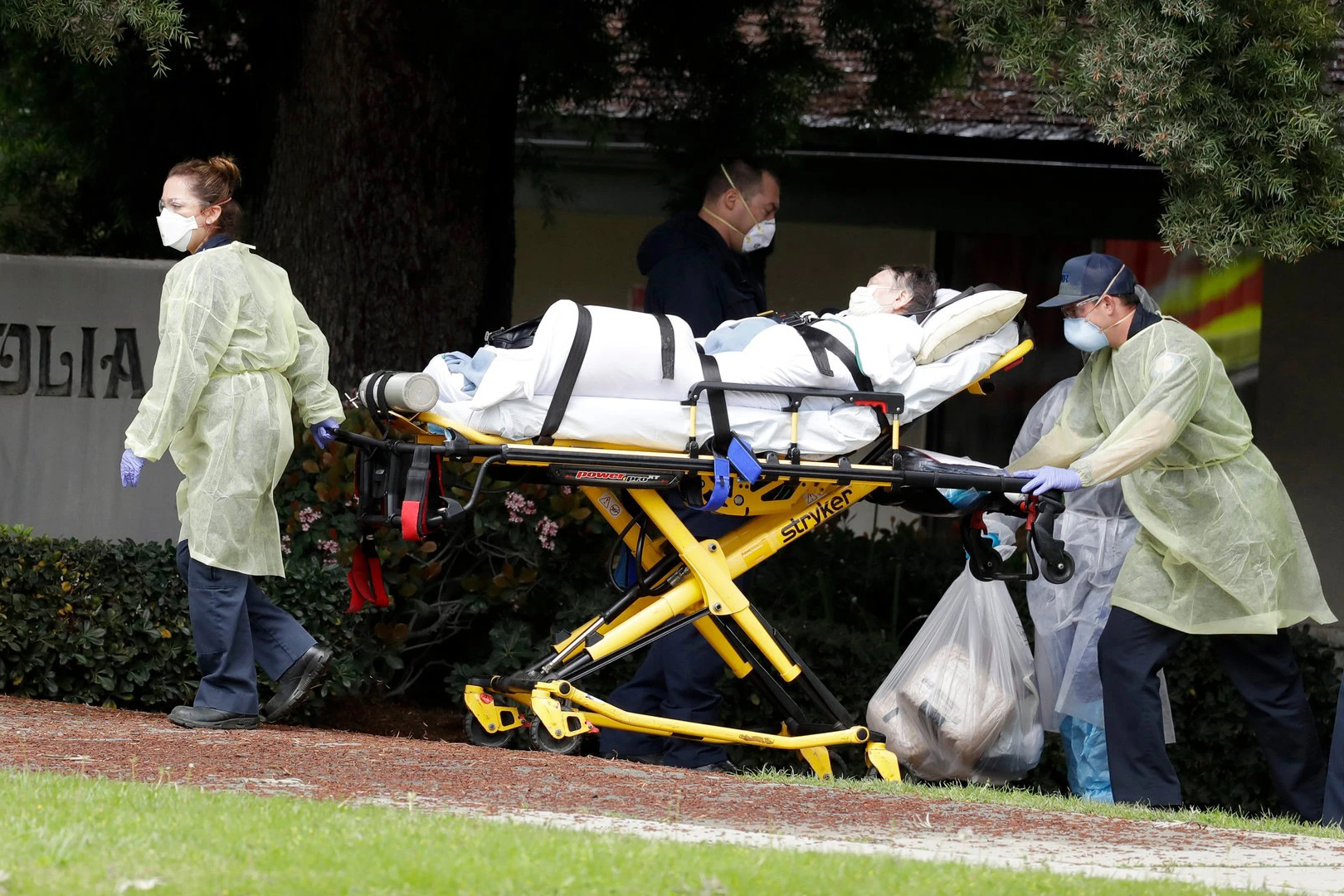
Across the United States, as of last week there were over 50,000 COVID-19 cases and at least 10,000 deaths in nursing homes and other senior living facilities. That’s a 20 percent death rate. For the U.S. population as a whole, the death rate is about 5 percent.
Why is the death rate for senior facilities so high? Elderly people generally are more vulnerable to infection than the rest of the population. Despite this, most such facilities bring people together in large groups for meals and sometimes for social activities. This is important for social life. But when a new virus enters the population, the risk of spreading infection is huge.
So, with COVID-19, if a facility’s management was slow in any way to take emergency measures, the chances of quickly spreading infection are enormous. Even with emergency efforts, the challenge is extraordinary. When residents are isolated in their rooms, staff need to feed meals individually rather than in large groups. This requires more staffing or great delays in mealtimes. But more staffing requires more money and a hiring process that itself entails risk of new infection.
Most of the staff are very low paid, so they often live in crowded conditions that promote the virus and this increases the risk of it coming in from outside. Because of the high rate of infection, they face levels of risk similar to hospital workers. So absenteeism is up. And that puts more strain on residents and other staff.
Living in senior facilities is hard enough normally. Now there are no visits from families or friends. Many people, especially in lower-cost facilities, don’t have a phone. And isolation means no group activities like movies and games, if they normally had them.
Even when reasonable precautions are taken, the lack of resources from the government has meant the virus can run amok. Like with the rest of the so-called healthcare system, the inadequacies of normal functioning are dramatically intensified in a pandemic.
It’s said we can measure a society by how it raises its children and cares for its elders. COVID-19 is shining a light on this society’s lack of care for the elderly.
Featured image credit: Chris Carlson/Associated Press