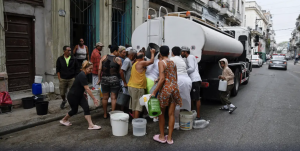
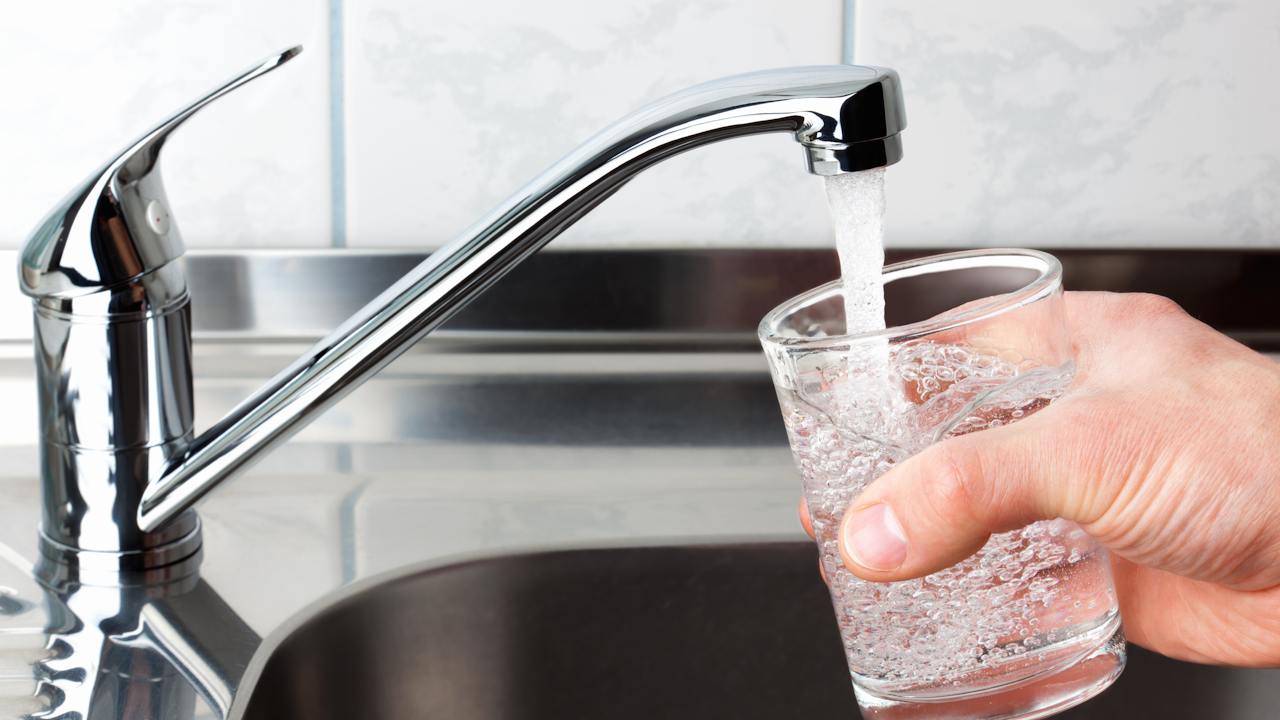
A report recently came out shedding light on the state of water infrastructure across all of California. The report found that over 600 municipal water systems are at risk of failure, which has major implications for the safety of the drinking water in these communities. Already in California, there are 300 cities and communities that have chronically unsafe drinking water. The diversity of contaminants is staggering, and includes anything from bacteria leaking out of wastewater collection pipes, nitrates from the many farms around the state, or industrial pollutants and pesticides that are ever present in the environment due to industrial farming methods.
Unsurprisingly, this water infrastructure crisis has only been exacerbated during the pandemic and affected the most economically disadvantaged in society, adding one more health concern to the pile for everyday working people to worry about. This is a problem that has been present and growing for years, and has been in the spotlight here and there over the years. But what has been done about this massive public health crisis?
Over the past decade there have been a couple of legislative moves aimed at this crisis; one law stating the right to clean and safe drinking water for humans, and another that was used as a basis to form the “Safe and Affordable Drinking Water Fund.” Outside of these small gains there is little else that has been proposed as solutions to this public health danger, other than advocates hoping for major aid from either the state or federal government. Many hope president Biden’s infrastructure plan will help fund some of the changes necessary if the law passes Congress.
The solution to the water infrastructure crisis needs to be as massive as the crisis itself. New technologies must be employed to tackle the excess of contaminants, old and compromised pipes must be replaced, water prices need a cap to ensure affordability, and people that have been negatively affected by these dilapidated water systems must receive proper health care at no charge. And this is just the beginning of what’s needed. Whether or not California receives enough funding at the federal level, the people that live here need the basic necessities like clean water, and they cannot wait any longer.