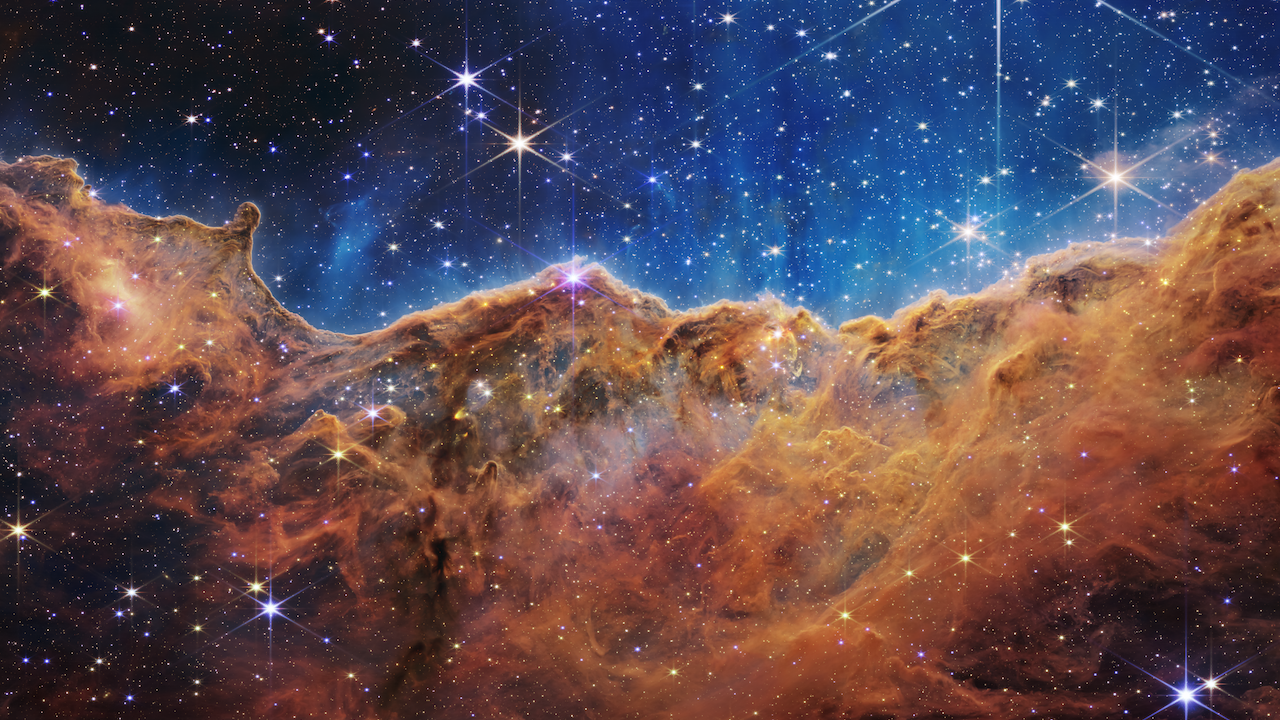
On July 12, the first images taken by the James Webb Space Telescope were released to the public, inspiring awe across the world. Already the images revealed by Webb have led to new understandings. The images show clear pictures of vast nebulae, the clouds of dust that form stars. They have shown that the early universe contained ten times more galaxies than previously thought, with millions upon millions of galaxies, each made up of millions, even a trillion or more, of stars similar to our own sun. It has captured the internal structure of spiral galaxies, and revealed portions of the universe from over ten billion years ago, located billions of light-years away.
But the James Webb Telescope isn’t special only because of these new images it has taken. The telescope is the largest ever built and launched into space. And unlike other space telescopes, such as the Hubble Space Telescope, Webb is designed specifically to capture infrared light, which is light with a very long wavelength that isn’t visible to the human eye. Infrared light can travel long distances and pass through dust and debris in space that might block other wavelengths of light, making the images much clearer.
Webb will be able to observe infrared light coming from very distant galaxies and nebulae, allowing us to observe how galaxies and stars form and evolve. Infrared light picked up by Webb could also tell us what different chemical compounds exist in the atmosphere of other planets — including chemicals such as methane, oxygen, water and others that could indicate the presence of life. And who knows what other discoveries could be made with the data gathered from Webb?
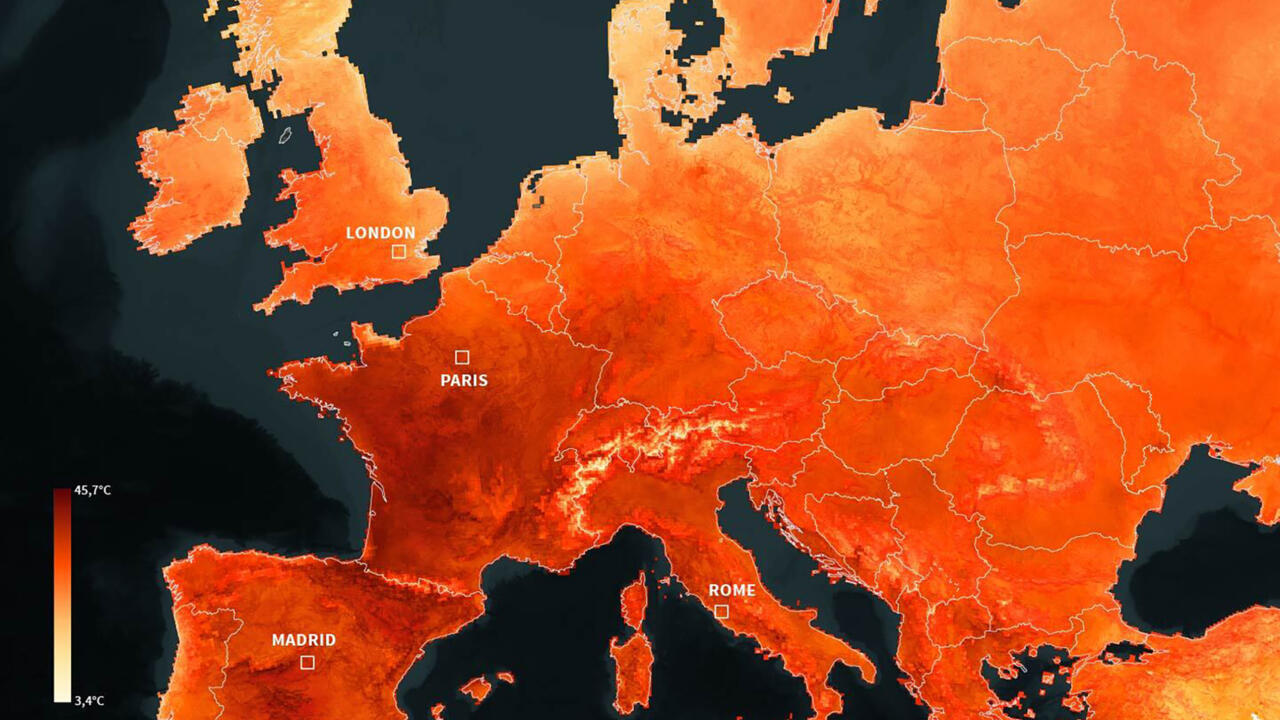
While it may take advanced technology to see the infrared light coming from other stars and galaxies, our own eyes are enough to see the red lights flashing on Earth. The James Webb Telescope is an incredible technological marvel that will allow us to explore the far reaches of the universe, further answering questions about the origins and development of the universe. And yet, while billions of dollars and years of expertise were devoted to constructing this telescope, when it comes to using scientific knowledge to stop the climate crisis, or end famine, or provide everyone with clean water, the governments and corporations of the world are nowhere to be found.
We’re capable of exploring the universe, learning about galaxies, stars and planets located billions of light-years away, and probably even determining whether those ancient planets have life inhabiting them. And yet, as long as we live in a world where everything is dictated by corporations, banks, and their profits, all of humanity’s technological potential and ability to explore the world will be up to the whims of a wealthy elite. They decide if they want to give a few more crumbs from their massive fortunes to science and society, while they spend most of their wealth to keep growing their profits through exploiting workers, making war, and destroying the environment that sustains all life.
Why should it be this way? The images from the Webb telescope not only reflect the enormous potential of humanity, but they also remind us of how we will waste that potential if we remain trapped by this system that is destroying life itself. We have much to do to reorganize ourselves on Earth so that everyone can enjoy the beauty of this planet and our amazing universe.
To see images from the Webb telescope and learn more about it: