
On Monday, June 17th, Maryland Governor Wes Moore issued an executive order, issuing pardons in 175,000 cannabis-related convictions. This action specifically impacts people who were found guilty of possessing small amounts of cannabis before it became legal in the state in 2023.
The media has been praising this order. It is one of the most expansive pardons by a state for cannabis possession. However, in many more ways, it’s not enough. For example, it does not erase convictions from a person’s record, meaning that a landlord or employer can still see a person’s conviction and type of crime. As research demonstrates, records, whether forgiven or not, often discourage employers from calling potential candidates into interviews. So people are still going to face challenges with employment, securing decent and affordable housing, and paying their bills. On top of this, the pardon does not eliminate how these records have already stolen many years in quality of life for people.
Ultimately, actions like this one and change coming from the current political system will never be enough. Why?
This system and its politicians have a record of maintaining the status quo and oppression of working-class people, especially Black people and other people of color. It’s responsible for the long history of the War on Drugs and the much longer criminalization of Black people in the United States. The Nixon administration started the official War on Drugs in the early 1970s to purposefully attack the “antiwar left [Vietnam] and black people.” As John Ehrlichman, Nixon’s domestic policy advisor explained, “by getting the public to associate the hippies with marijuana and blacks with heroin, and then criminalizing both heavily,” the Nixon administration could disrupt the lives of people of color and antiwar activists. The two were not mutually exclusive: working-class Black people were often expressing opposition to the war and racial inequalities back home. In the years after Vietnam, Democrats and Republicans followed Nixon’s lead and continued to bolster policies that further criminalized drug use and increased resources for policing working-class communities of color.
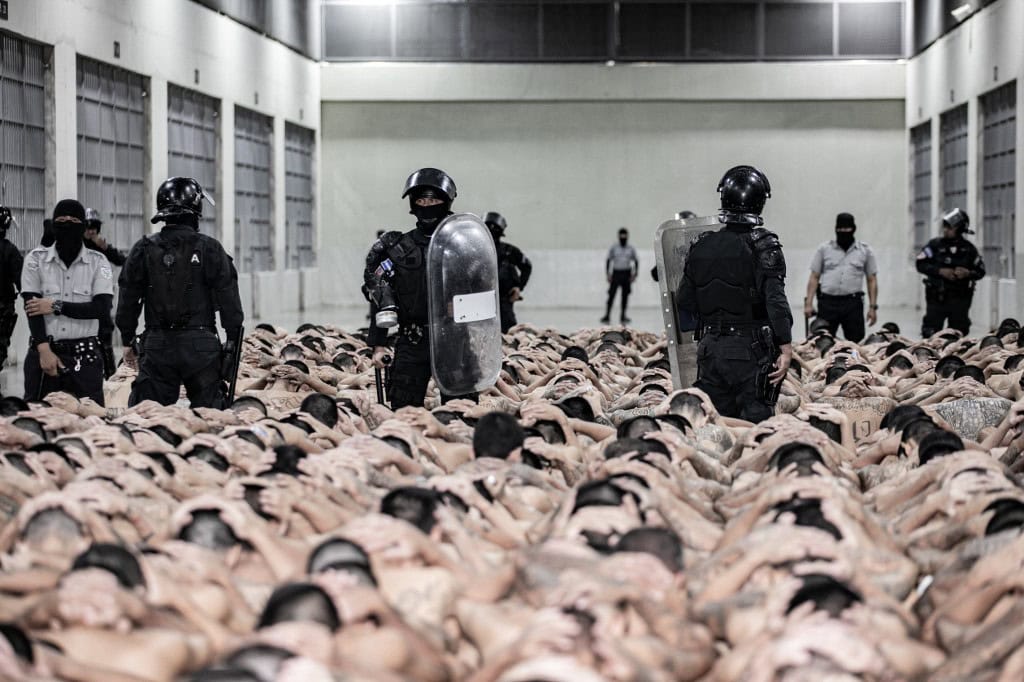
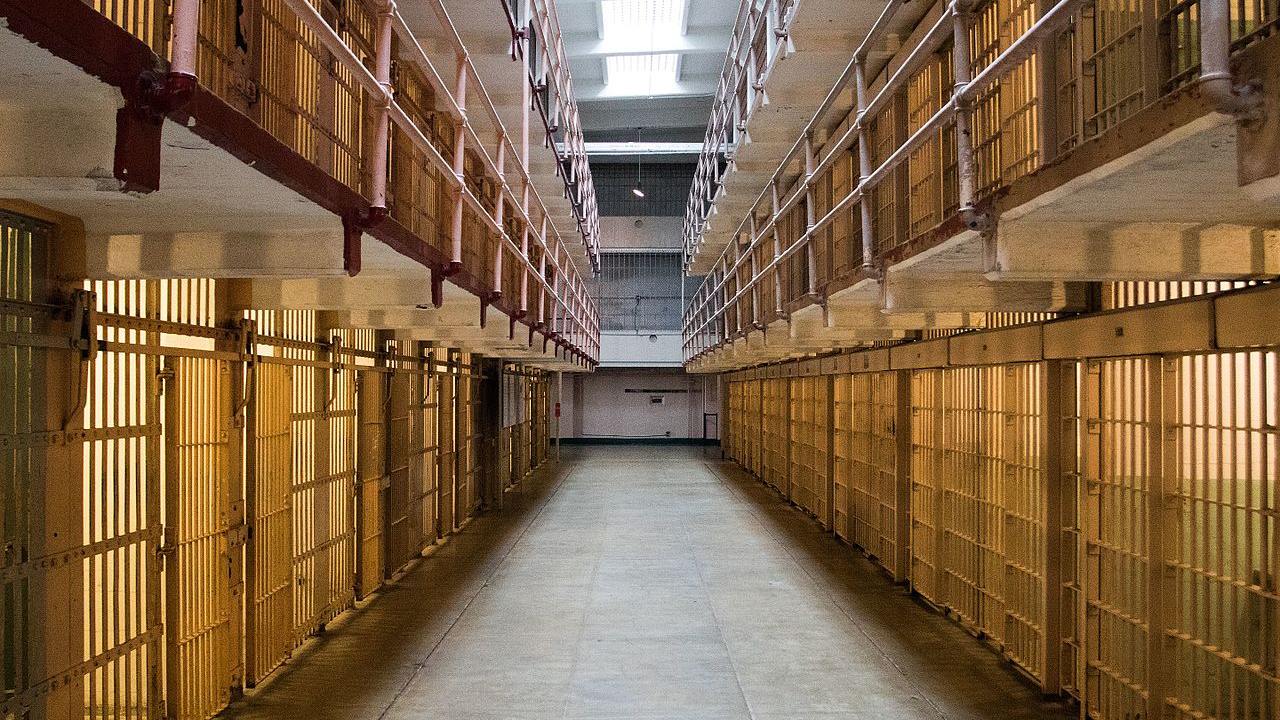
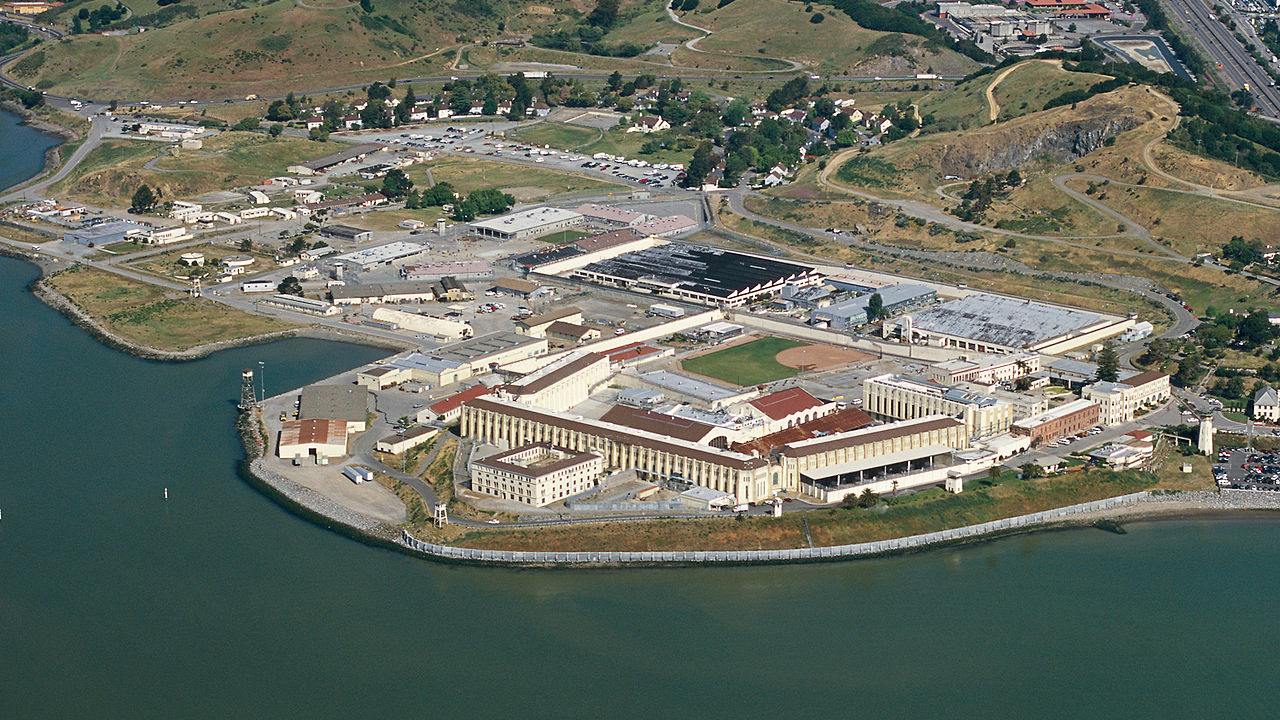
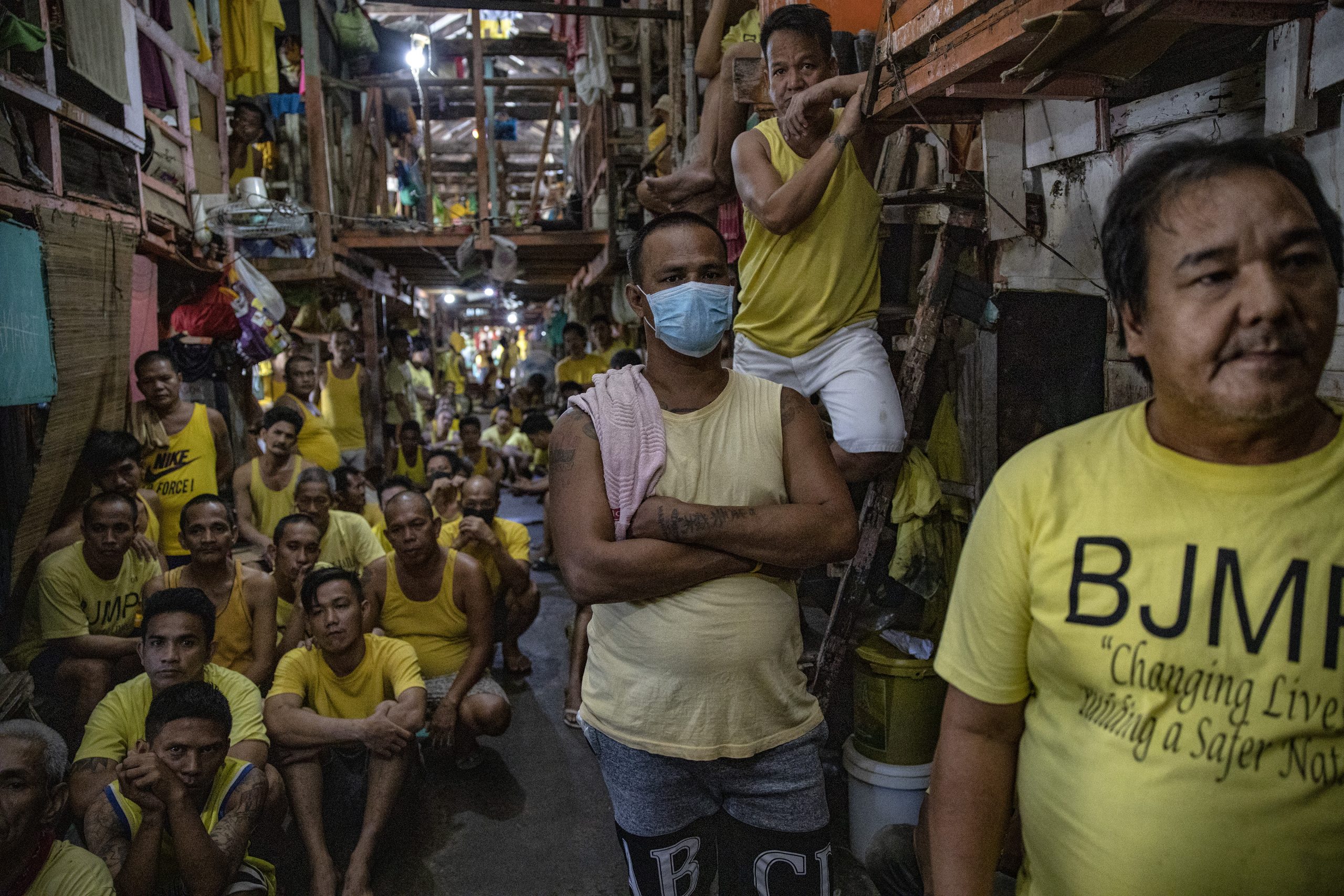
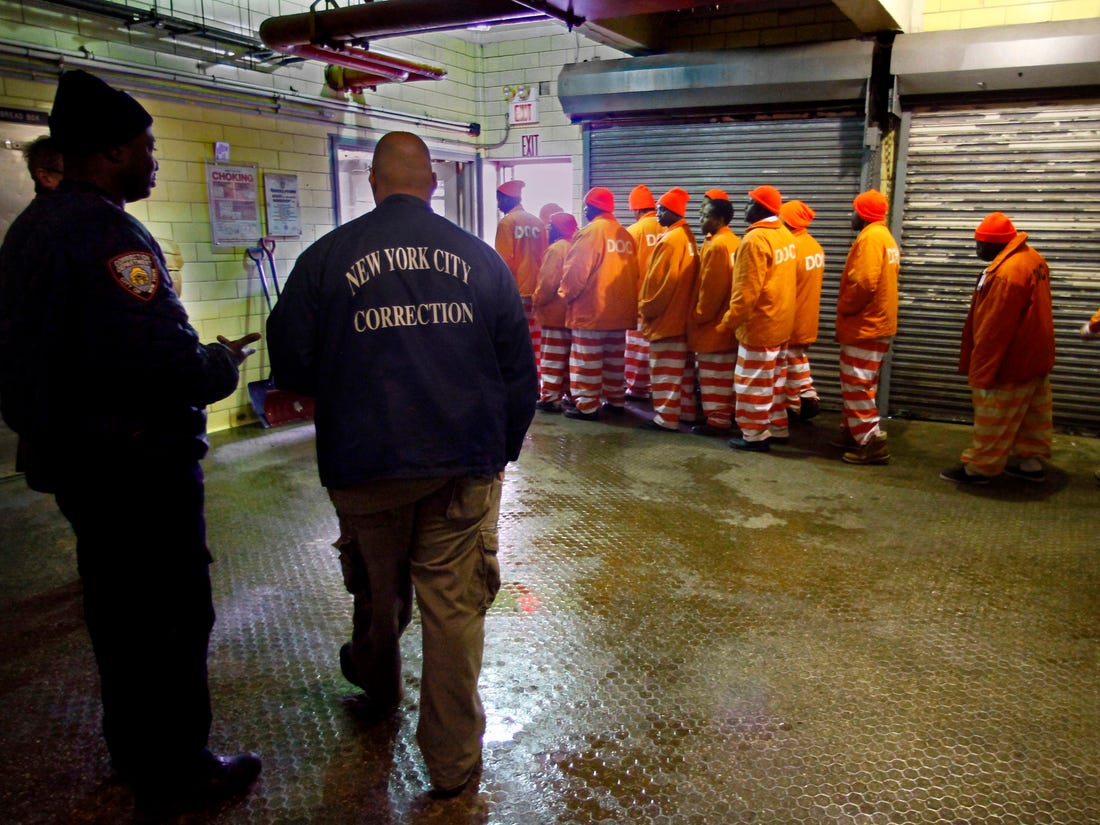
These actions, birthed within the current political system, have led to today’s crisis of mass incarceration. Can we trust it to bring about change then? No! Ultimately, we can only rely on ourselves, the working class. We must overcome racism, which has not only been used to oppress and super-exploit people of color, but also to divide us. United, we can fight the system and create a world free from the criminalization of people of color, mass incarceration, and racial inequality!