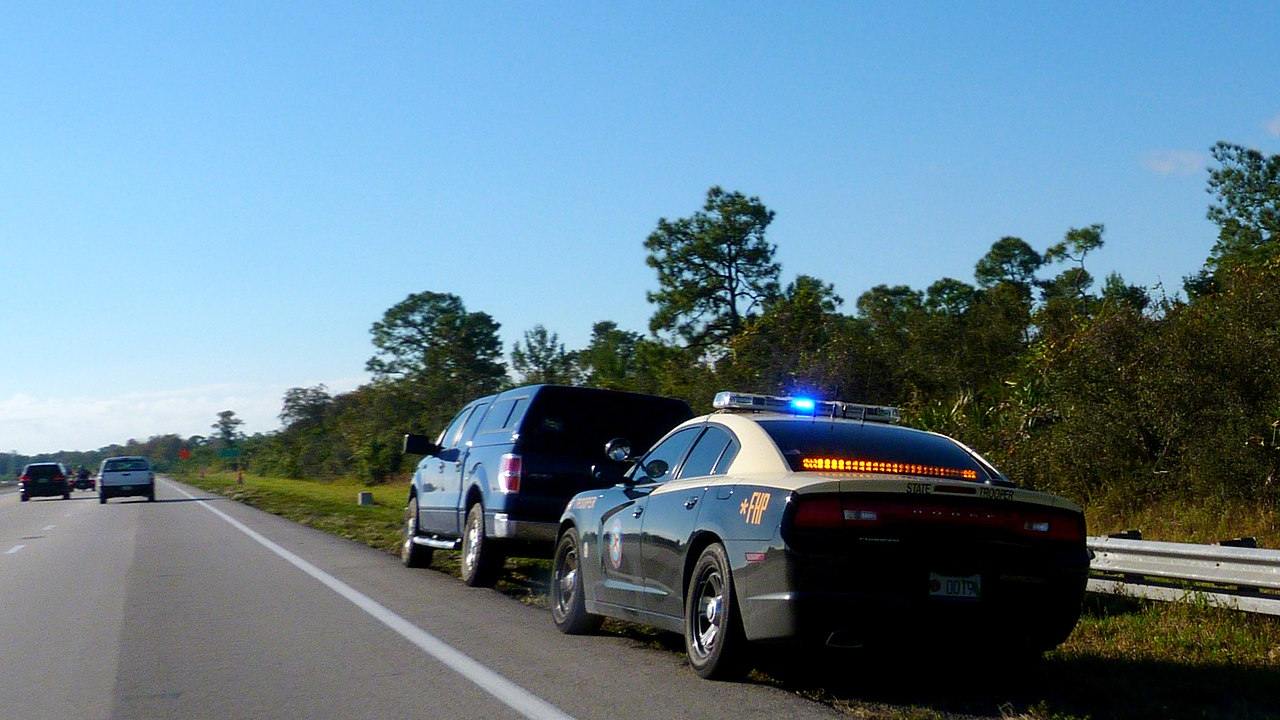
Despite nearly a decade of Black Lives Matter protests, racist violence at the hands of police persists. A new report shows that 400 unarmed people have been murdered by police at traffic stops across the country in the last five years.
Black drivers are overrepresented in those murdered for speeding or driving with a taillight out. Officers, trained to presume danger, are more concerned about “emboldening criminals” than they are about protecting lives. In the words of Kalfani Ture, a criminologist at St. Mary’s University, “Police think, ‘vehicle stops are dangerous’ and ‘Black people are dangerous’ and the combination is volatile.” An officer who is trained to presume people are dangerous, can’t possibly be expected to “serve and protect” those very same people.
Cops are also trained to proactively consider their legal defense for murder. For example, officers will unnecessarily present themselves in dangerous situations by standing in front of cars. They are also trained to leave fingerprints on the car. Then, when in court, officers can exaggerate the perceived threat of danger in defense of their murderous actions. Someone who is taught to escalate situations can’t be trusted with our lives!
When murderous cops are brought to court, they will often blame the victim for looking scary, running away, not obeying the officer, reaching in the wrong direction, having a prior criminal record, or having or being on drugs. None of these things should carry a death sentence.
In addition, recent Supreme Court rulings have continued the expansion of police power during traffic stops. One ruling from 2014 has made it permissible for police to shoot at moving cars for almost no reason.
Adding insult to injury, it is nearly impossible for murderous officers to get convicted by the U.S. courts. The report shows that of the 400 murderers of unarmed drivers, 32 faced charges and five were convicted. Of the five convicted, one got probation and another served 7 months. This violent system grants us no justice.
From training cops to presume danger, to racist attitudes that escalate violence, to a near impossibility of conviction – this system is built to support violent police forces across the U.S. We can’t rely on the system to hold them responsible. It’s our responsibility to fight to change the system.