As the world slowly moves toward the use of electric vehicles (EVs) to belatedly address the climate crises, the mine workers of the Democratic Republic of Congo are feeling the pressure.
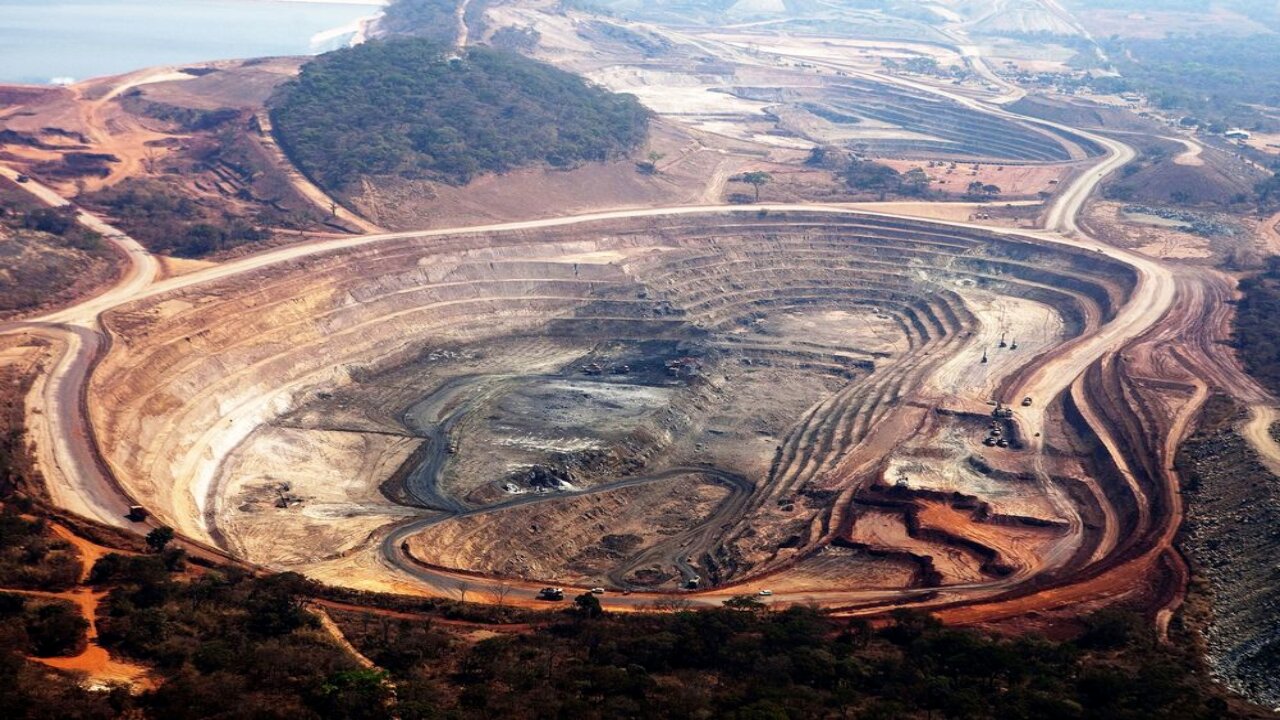
Although the move to electric automobiles is one of the changes that needs to take place immediately in order to stop global heating from getting worse, this shift has dramatically increased the demand for cobalt, one of the key ingredients in most batteries used in most electric cars. Roughly seventy percent of the world’s cobalt comes from Congo.
Since the world’s mining is done under a capitalist mode of production, that means that profit-making companies mine and refine their mineral commodities at the lowest possible cost in order to maximize their profits. That in turn means brutal exploitation of the human beings who dig the minerals from below the earth’s surface.
Much of the mining done in central and southern Africa is the small scale yet deadly “artisanal” mining. In recent years though, bigger corporations have moved in with larger scale mining operations. In this global supply chain system, Tesla, Volvo, VW, Mercedes Benz, Renault and others get their cobalt from multi-national mining corporations, who in turn subcontract out the work to local companies beyond the reach of most regulation or oversight. And, of course, regulation of the mines isn’t even a real consideration for the Congolese government.
Recent reports cite miners paid top salaries of only $3.50 per day, fed only rolls and juice boxes for lunch, and fired for staying home while sick. Small towns around the major mines are sprawling and impoverished testaments to the haphazard nature of capitalist development in a “gold rush” atmosphere. Rates of sickness because of exposure to toxic chemicals have risen. When the COVID pandemic spread, workers were kept in halls with dozens of others, sleeping on wooden boards, and were not allowed to leave. Child labor is common, and children have been drugged in order to suppress their hunger while working. And, as in mining around the world, deaths from so-called “accidents” are common. Along with Swiss mining giants like Glencore, Chinese mining companies have moved aggressively into the region, and have been accused of some of the worst abuses, including outright racism. One miner said, “I felt like a prisoner. I didn’t have any freedom.” Another said “the relationship between us and the mine is like a slave and a master.”
This reminds us that even if we do one good thing, like moving towards more environmentally sustainable forms of transportation, if the materials used are still produced within a capitalist system, the exploitation and dehumanization of workers will continue. It’s not just the internal combustion engine that needs to go – it’s the bosses’ whole system.