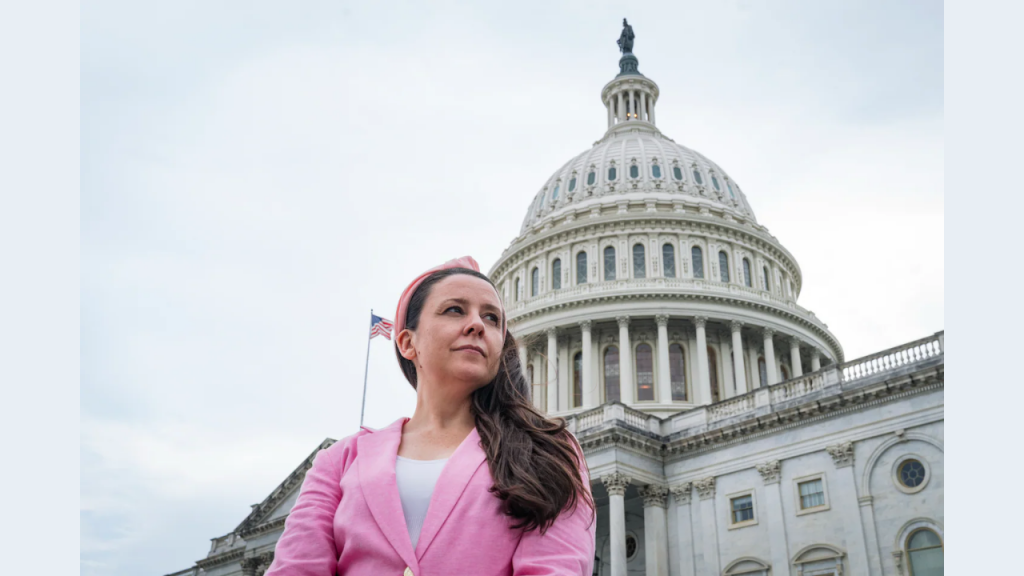

On February 26, the U.S. Supreme Court began hearing the case Janus v. AFSCME (American Federation of State, County and Municipal Workers). The case is about whether public sector unions should be able to collect money from all the workers they represent, not just those who have joined the union. Unions represent everyone in a workplace. However, the bosses’ lawyers argue that any worker should have the right to not pay union dues, regardless of whether that union represents them in a conflict with management or negotiates their wages and benefits.
The bosses call this idea “the right to work.” In 28 states in the U.S. with “right to work” laws, the average worker earns 15.8% less than in the rest of the country. So “right to work” really means the “right to work for less.” The Supreme Court is expected to rule against the union, weakening public sector unions and preparing more legal attacks on unions in the future.
The employers will follow up a decision favorable to them with propaganda urging workers to stop paying dues while still getting the advantages of being in a unionized workplace. In the short term, some workers may agree with this idea – especially those who think the unions don’t do much. But in the long run, all workers will suffer from a decline in union membership and power. Dropping out of the union is not a solution.
Private sector union membership has been declining for decades, but in some industries like construction, unionized workers still make as much as 28% more in wages and benefits than non-union workers. Unionized local government workers make 18% more in wages than non-unionized local government workers, and the difference is even greater when benefits are taken into account. As union membership falls, wages and benefits drop to the level of unorganized workplaces.
But cutting down the bargaining power of public sector workers – in order to impose greater cuts in pensions and health benefits – is only one reason the employers are pushing the Janus lawsuit. In addition, the employers want to weaken the unions politically. By cutting down a union’s ability to collect dues, the employers expect to reduce the ability of unions to make campaign contributions and to turn out members to vote for politicians.
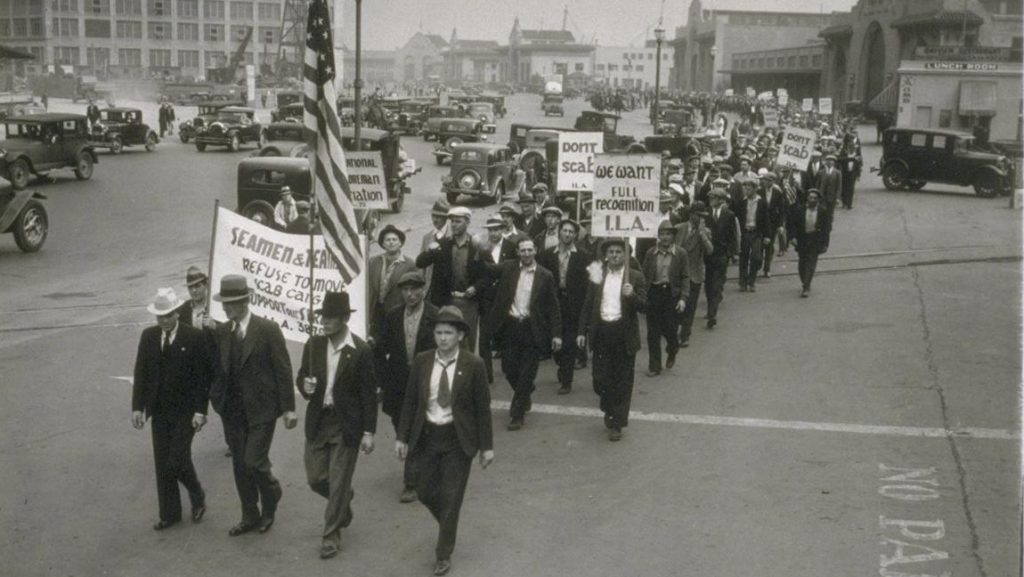
U.S. workers have been under attack for at least 30 years, during which time we have been forced to accept concessions on wages and benefits. Full time jobs have been turned into part time jobs with no security and lousy working conditions. The employers’ attacks were successful because many union officials refused to lead a fightback. As a consequence, today many union workers have lost confidence in unions that have refused to fight and may well fall for the bosses’ lie that workers don’t need unions.
It’s true that we don’t need unions with officials who suck up to the employers and agree to all their takeaways. The strong worker organizations we need – including unions – will have to be built (or rebuilt) by workers who have learned how to organize their coworkers to stick together and stand up to the boss.
For this to happen, a new generation of militant worker-organizers will have to push aside the leaders who won’t fight. Only when workers organize and turn unions into fighting organizations will they begin to grow again in membership and power. A union which has won the confidence of the membership through struggle will have little trouble collecting dues – no matter what the Supreme Court rules in the Janus case.