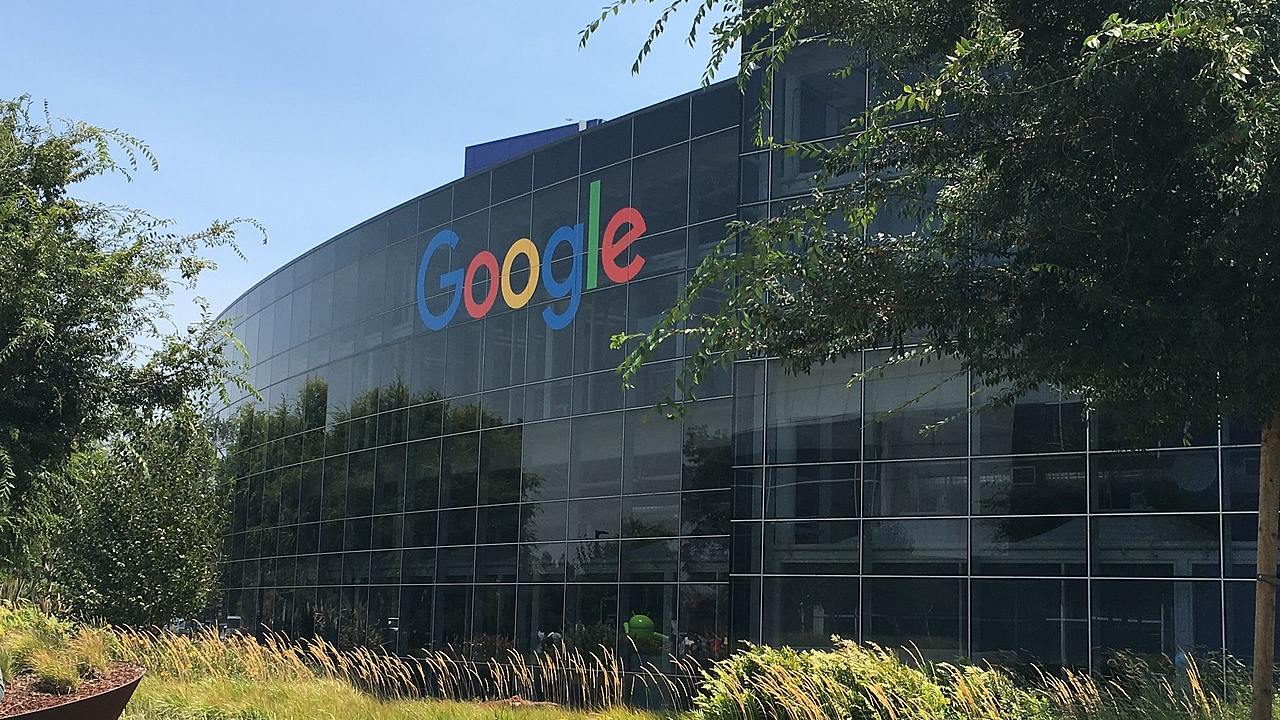
In February 2026, a 20-year-old California woman known in court as Kaley G.M. testified in a major trial against Meta Platforms and Google. She argues that Instagram and YouTube were designed in ways that made her addicted as a child, harming her mental health. Kaley said she began using YouTube at age 6 and Instagram at 9, and later struggled with anxiety, depression, and loss of sleep as a result. The lawsuit claims the companies prioritized profit-seeking over child safety. Mark Zuckerberg testified that children under 13 are not allowed on Instagram, but internal records showed millions of underage users were on the platform. Experts have compared these cases to a “big tobacco” moment for tech companies.
Internal Meta documents show that employees raised concerns about addictive features years ago. In 2018, researchers proposed auditing tools like autoplay and endless scrolling, warning they could promote compulsive use. A later study found a small but significant percentage of users, mostly youth and teens, experienced “problematic use,” meaning they had trouble with sleep, work, or relationships because they felt unable to control their social media use. These concerns are amplified by social media’s advertising-driven business model. The longer users stay on a platform, the more ads they see. Critics call this the “attention economy,” where engagement directly drives profit, creating pressure for companies to design increasingly addicting features in a self-reinforcing cycle.
Meta did not complete the audit but says it has added parental controls and teen safety settings. Some countries, including Australia, have moved further by banning social media access for children under 16. Though these may seem like a step in the right direction, they are band-aid fixes that put the onus on parents to regulate their children’s’ social media use, rather than addressing the addictive features and patterns inherent to the platforms.
However, social media itself is not inherently harmful. It connects people across distance and allows rapid sharing of ideas. Social media was instrumental throughout the 2020 Black Lives Matter protests, the Palestine movement, and in documenting the recent ICE raids. In all of these cases, posts and videos helped spread information faster than traditional news outlets and brought global attention to these movements. In these moments, social media has functioned as a tool for visibility and real-time organizing.
Instead, it is the profit-motive that is harmful. It depends on keeping users online as long as possible, giving companies strong incentives to design platforms that are hard to leave. This recent trial highlights the issue of a business model built on maximizing attention, one that disproportionately harms young people in the process.