This article is reprinted from The New York Times:
I’m 26. I don’t have any prior autoimmune or respiratory conditions. I work out six times a week, and abstain from cigarettes. I thought my role in the current health crisis would be as an ally to the elderly and compromised. Then, I was hospitalized for Covid-19.
On Friday, March 13, only a few hours after deciding I would begin to socially distance for the well-being of others, I developed a fever and headache. I tried not to assume the worst, but just in case, my partner and I decided to sleep in separate bedrooms. By the next morning, I had a cough. On Sunday, I started to feel better and my fever was gone. I felt thankful that even if this was coronavirus, I’d most likely be able to ride it out at home, as I’d heard people like myself had little to worry about. I began planning the work I’d catch up on the next day, and the much-needed shower I’d take.
That night I woke up in the middle of the night with chills, vomiting, and shortness of breath. By Monday, I could barely speak more than a few words without feeling like I was gasping for air. I couldn’t walk to the bathroom without panting as if I’d run a mile. On Monday evening, I tried to eat, but found I couldn’t get enough oxygen while doing so. Any task that was at all anxiety-producing — even resetting my MyChart password to communicate with my doctor — left me desperate for oxygen.
There were many reasons that I didn’t want to go to the hospital. When I’d called 311 earlier in the weekend to inquire about a test, I was told people with Covid-19 symptoms must stay home. I’d read this same advice elsewhere, and wanted to do everything possible to prevent spreading the virus if I had it. I also was wary of taking doctors’ attention and hospital resources away from more vulnerable populations who might need them. Finally, I feared that if this wasn’t Covid-19, going to the hospital could expose me to the virus. Ultimately, even with my serious trouble breathing, a part of me believed I would be fine, since I was young and otherwise healthy.
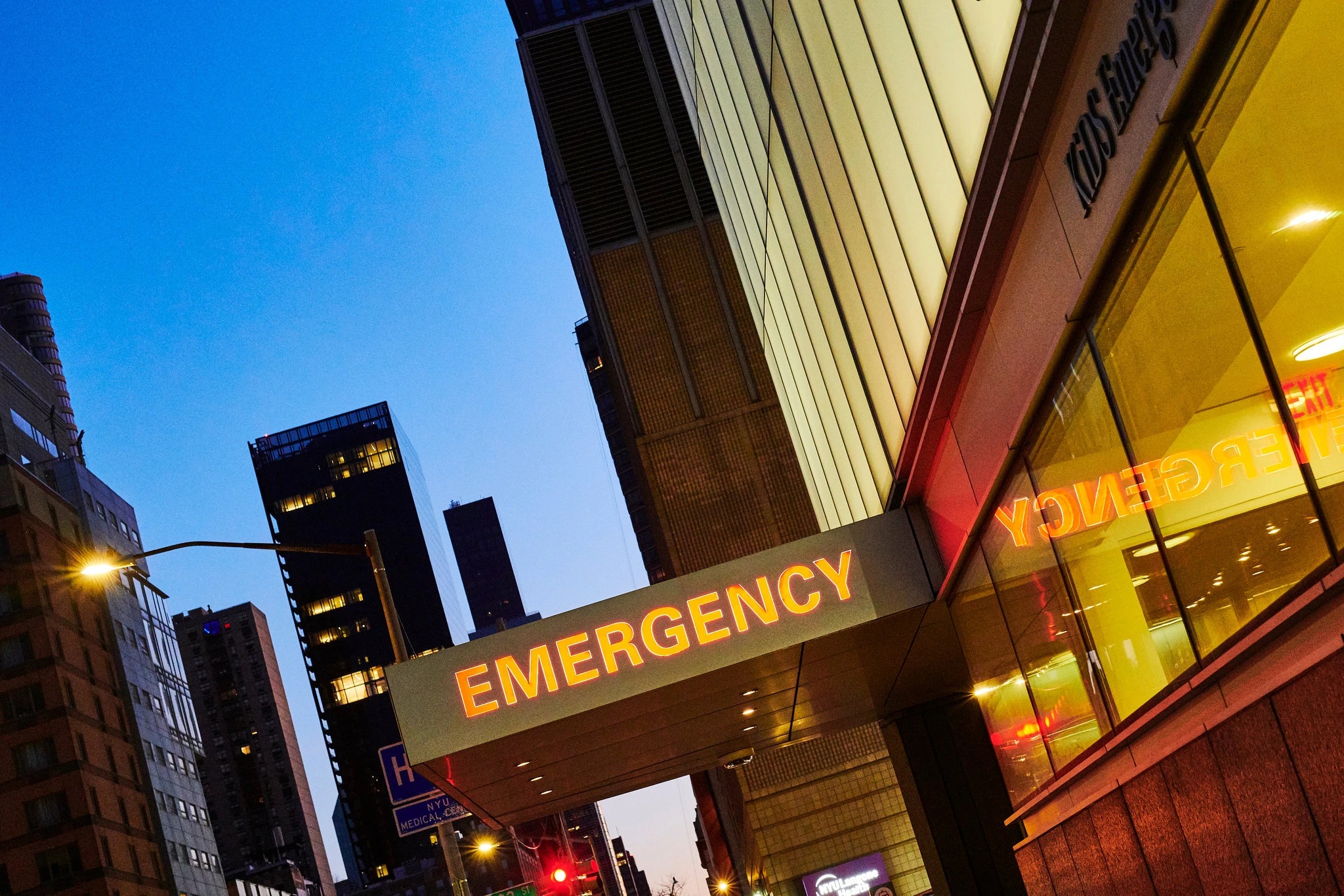
While I was shocked at the development of my symptoms and my ultimate hospitalization, the doctors and nurses were not at all surprised. After I was admitted, I was told that there was a 30-year-old in the next room who was also otherwise healthy, but who had also experienced serious trouble breathing. The hospital staff told me that more and more patients my age were showing up at the E.R. I am thankful to my partner for calling the hospital when my breathing worsened, and to the doctor who insisted we come in. As soon as I received an oxygen tube, I began to feel slight relief. I was lucky to get to the hospital early in the crisis, and receive very attentive care.
There are many reasons to take Covid-19 seriously if you are a millennial. As one of the largest generations in the United States, we can have an enormous influence on the course of this pandemic. Since it’s hypothesized that many infected millennials won’t exhibit symptoms, our social distancing is crucial to the health of more vulnerable populations and can have a huge impact on flattening the curve. Unfortunately, much of our generation — and some of those younger than us — is not taking this public health crisis seriously enough. We’re continuing to gather in groups, travel internationally, and see quarantine as an extended spring break. As a generation with a supposed commitment to social justice, we should be stepping up in our role as allies to more vulnerable populations. Yet, somehow the message of staying home still isn’t permeating our ageism and ableism.
Millennials, if you can’t be good allies, at least stay home to protect yourselves. Our invulnerability to this disease is a myth — one I have experienced firsthand. Countries in Europe and Asia are reporting younger and younger patients. The New York Times reported this week that nearly 40 percent of hospitalized Covid patients in the U.S. are under 54 years old. What’s worse is that when medical professionals have been forced to make choices about who lives and who dies in other countries, our generation is often chosen to receive treatment. So not only are we risking our own health, our presence in hospitals diminishes the care other groups may receive.
We’re also a generation that tends to opt out of buying health insurance, as it’s expensive and many of us — myself included — work gig economy jobs that don’t provide benefits. We often live in crowded apartments with roommates, which means our ability to mitigate risks is lower, and we must rely on and trust each other. We’re also more likely to live with our parents than other generations, and thus may risk spreading the virus to loved ones with less chance of surviving it.
Millennials are reported to care deeply about wellness and social justice. I know, because I run a popular events series about the intersection of the two topics. I wish individuals weren’t facing such a high burden of responsibility, but in the absence of early and appropriate action from our government, we have no other choice. Now is the time to walk the talk. There is much about our society that we are inheriting that we can’t control. Let’s try to make an impact where we can.
Fiona Lowenstein is a writer, producer, and yoga teacher and the founder of the queer feminist wellness collective, Body Politic.
Featured image credit: Gabby Jones