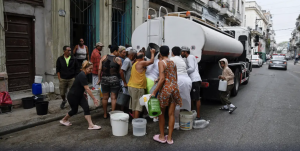
Doing scientific research is the first step towards fixing a problem. After all, we need to understand how something works to come up with the most effective solutions to change it. Climate science is no different. Combating climate change requires we understand what we’re up against, and what is possible. While ultimately nobody is totally free from the consequences of climate change, not everyone is impacted equally at this moment. In growing portions of the planet, more people are facing uncertain futures as their homelands are becoming increasingly uninhabitable due to regular droughts, fires, flooding and more. What does it mean when most of the research we have on this topic comes from the places that are least affected by climate change? What does it mean that not everyone has the resources to study it?
In a recent study, researchers looked at the authors of the 100 most highly cited papers on climate change from the past five years. They found that less than 1% of authors were based in Africa, while nearly three quarters were from Europe or North America. Not one of the top papers was led by a scientist from Africa or South America. Of the seven papers written by Asian authors, five came from China. The study also found that less than a quarter of the authors were female.
“If the vast majority of research around climate change is coming from a group of people with a very similar background, for example, male scientists from the Europe or North America, then the body of knowledge that we’re going to have around climate change is going to be skewed towards their interests, knowledge and scientific training,” said one of the researchers in this analysis, Ayesha Tandon.
The lack of voices from the Africa, South America, Asia and women is hampering our understanding of climate change, and what we can do about it. Lack of funding for computer models, fundamental for much of climate research, should not be an obstacle when confronting the existential threat of climate change. Wealth and power should not determine access to scientific research. Tackling the issue of climate change is the most urgent and pressing issue facing all of humanity at this time. Why shouldn’t all of our contributions be brought to the table, especially those on the frontlines who face the most immediate consequences? Climate change is a global phenomenon, studying it should be, too.