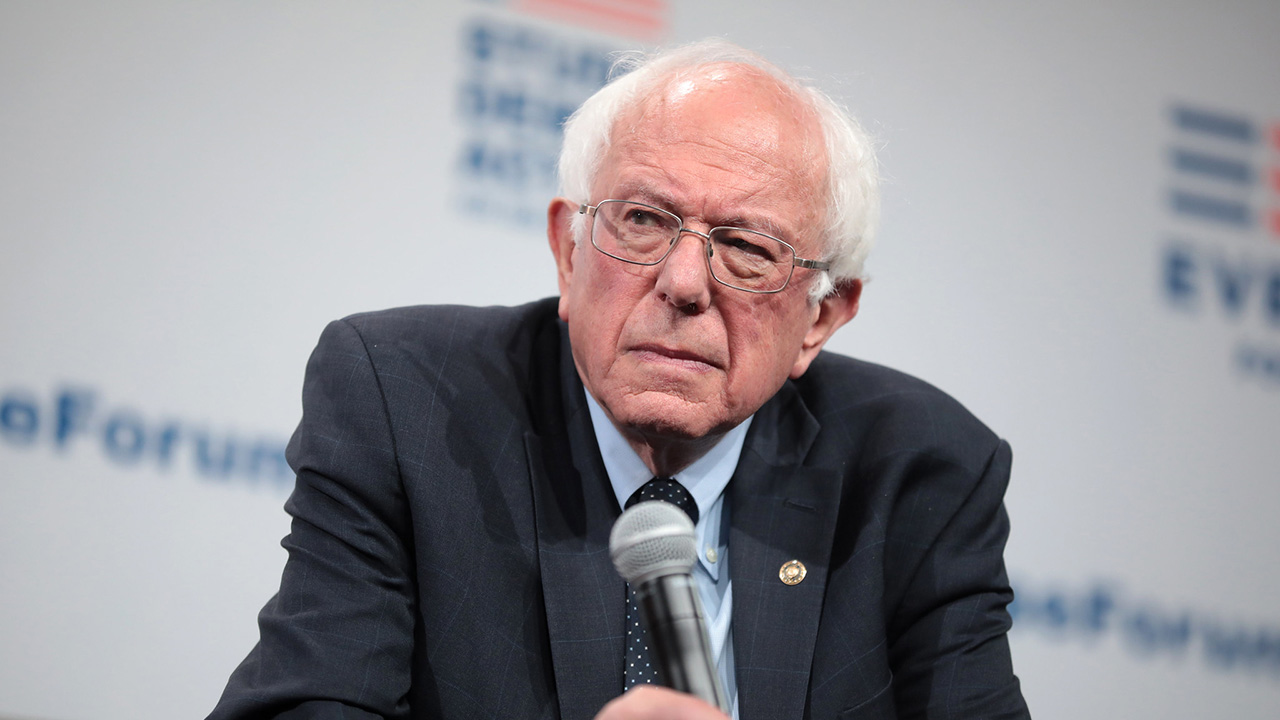
Bernie Sanders wants the rich to pay more taxes, aiming to support the working class and diminish the influence of billionaires. His proposal is to introduce an annual tax only for those with a net worth of more than $32 million.
Sanders is definitely on to something. His website says:
Over the last 30 years, the top 1 percent has seen a $21 trillion increase in its wealth, while the bottom half of American society has actually lost $900 billion in wealth. In other words, there has been a massive transfer of wealth from those who have too little to those who have too much.
He is right about this. We are living today in one of the periods of most income inequality in United States history. Inflation outpaces income for almost all working-class people. Eviction, out-of-control healthcare costs, and outrageous student loan debts are among the attacks we face. Meanwhile, the rich don’t have to worry about these things and enjoy one of the lowest taxation periods in the last 200 years.
But would the tax Sanders proposes break the concentration of wealth and power? His proposed tax of one percent on $32 million to eight percent on over $10 billion would leave 99% and 92%, respectively, to the wealthy. They would still be filthy rich and definitely still in power. Why propose to take only this much?
Sanders seems to follow the idea that minor reforms like this one look more realistic, like something that can be seriously discussed in Congress. But let’s be honest; it’s not realistic to think that Congress would do anything like this unless there was a mass movement in the streets and probably a general strike of workers across the country. And if that happened, why would we stop at one percent and eight percent? By making so-called “modest” proposals like this, the bosses’ politicians try to keep people relying on the legislative process rather than organizing to win our demands on our own terms.
The majority of us do the work that produces everything, including the profits of the wealthy few. Their wealth should belong to and benefit all of society. At the end of the day, the real question is not what tax laws can get through Congress, as much as Sanders’s proposal suggests this. It’s whether the working class is ready to hold the ruling class accountable.
We must take what belongs to us.