
The U.S. is supposedly a nation of immigrants – people who chose to come here. The real history is quite different. Yes, the majority of people who populate the U.S. were immigrants or descended from immigrants. But there were millions of people living here before the European invasion. Estimates say there were 12 million people living here – referred to today as “Native Americans.” Their ancestors came here an estimated 30,000 years ago. With the European invasion, genocide began with diseases carried by Europeans and continued with the systematic massacres of native people who were driven from their homes. By the late 1800s the native population had been reduced to about 250,000. Another population, of close to half a million people, was brought here involuntarily from Africa, enslaved and violently ripped from their homes. Many more Africans were brought from the Caribbean and sold as slaves to work on the massive plantations.
Everyone else living in the U.S. is an immigrant or descended from immigrants. Some were wealthy, seeking to exploit the riches they found. The rest migrated, most escaping from intolerable conditions of poverty, wars, and persecution – all looking for a better life.
The colonies were run by elites from Europe. The people who did most of the work in the northern colonies were poor Europeans. Many Europeans came as “indentured servants” – people who signed a contract to work for an employer for a number of years in exchange for travel.
Between 1840 and 1850, almost 20 percent of Ireland’s entire population came to the U.S. to work. They fled the famine in Ireland where the British rulers imposed massive starvation on the population. At the same time hundreds of thousands of Chinese workers fled horrific conditions in China and immigrated to the West Coast, looking for jobs. Many worked building the transcontinental railroad, and in the logging and mining camps.
In 1848 the U.S. fought a war to expand its empire, seizing the entire northern part of Mexico. The states of California, Nevada, Utah, New Mexico, and Arizona were created and the 200,000 inhabitants of what had been Mexico, found themselves now in the U.S. After the Civil War, there was a huge expansion of U.S. industry. Between 1882 and 1914, twenty million immigrants came to the U.S., from all over Europe – from Germany, Scandinavia, Hungary, Italy, Poland, Russia, and many other countries to work in the factories.
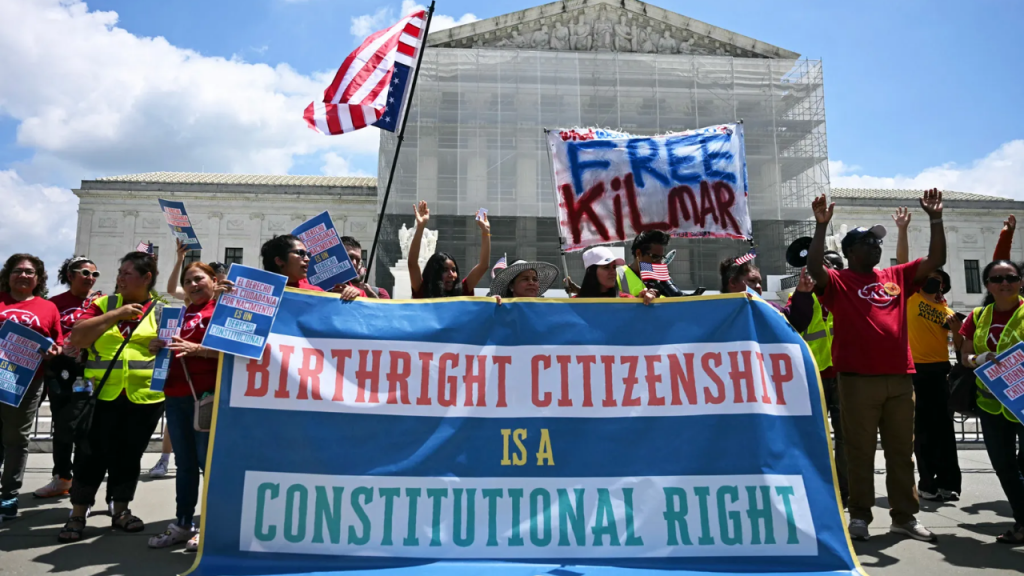
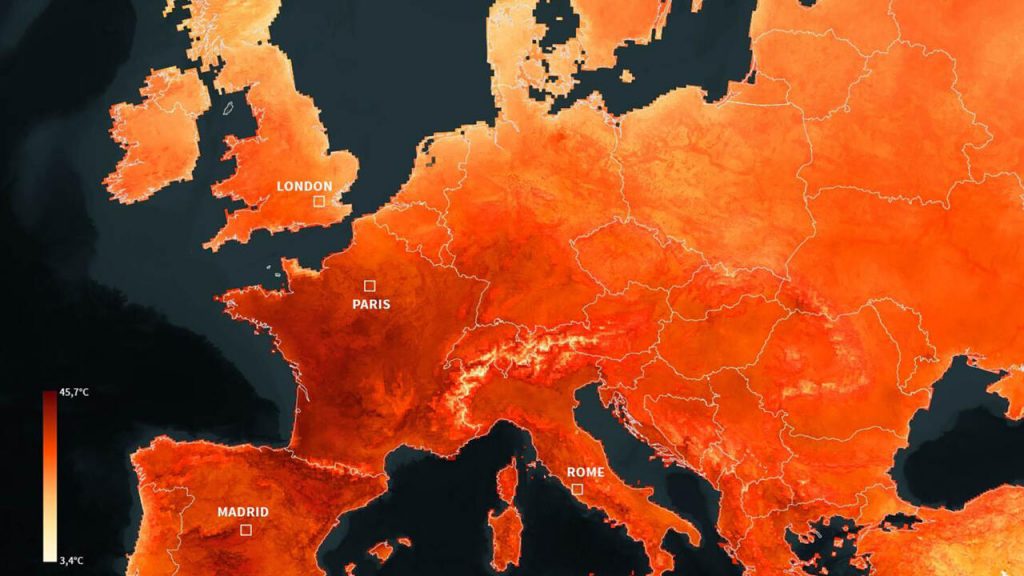
Immigration is usually a political issue, with politicians playing on people’s insecurities. Despite the fear-mongering of Trump and other politicians, there is not an invasion from Mexico or Central America. The largest immigration today is from China, India and countries in Southeast Asia. In fact, immigration from Mexico has fallen since 2009. Most undocumented immigrants from Mexico (78%) have lived in the U.S. for ten years or more. There has been an increase in immigration from Central American countries due to the catastrophic conditions people are facing there. The economic, social and political crises brought on largely by the policies of the U.S. government, and the plundering of those countries by U.S. corporations has pushed millions into desperate poverty. And climate change has accelerated the destruction of crops and farmlands, causing hundreds of thousands to flee their farms in search of a livelihood throughout Central America.
Throughout history, patterns of immigration reflect the changing conditions in different parts of the world. In the countries with more developed economies, like the U.S., new immigrants often work in the hardest, dirtiest and lowest paid jobs like agriculture, sweatshops, factories, construction, and meatpacking – jobs that most native-born workers would prefer not to work.
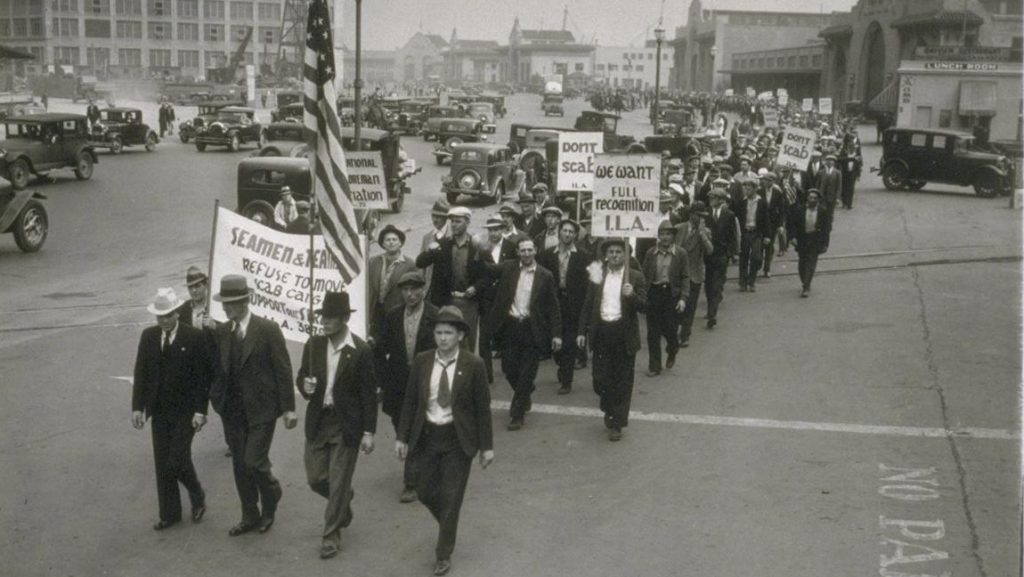
The rich and their politicians have always used our cultures, languages, and histories to try to divide us. At times these divisions have been overcome and workers have launched massive movements that won important victories. The largest movement like this in the U.S. was in the 1930s. Our diverse histories and traditions should not weaken us. Our strength lies in our common bond – that we are the ones who do the work of this society. We have every interest to put an end to the system of exploitation that oppresses all of us.