For those of us who have jobs, Labor Day means a day off work, or possibly overtime. Some union officials may organize a picnic or a parade. But, it has little or nothing to do with dealing with the situation facing us as workers.
Eighty years ago, in the early months of 1934, workers in the U.S. faced desperate times. The Depression, starting with the stock market crash of 1929, had gone on for five years. Not only were tens of millions unemployed and many homeless, but at the same time the employers were piling extra work on those who still had jobs. Prices of necessities were rising while wage cuts remained in force. Employers acted as if workers had no rights they were obliged to respect.
By Labor Day 1934 US workers had shown that they could start to turn things around for the better. In the spring and summer of 1934 thousands of longshoremen in San Francisco, teamsters in Minneapolis and autoworkers in Toledo, Ohio showed that workers could successfully unite and organize. These workers organized and carried out mass strikes, prevented strikebreaking, and police attacks and defied the National Guard and the courts. These militant strikes won important concessions from the bosses, including higher wages, shorter hours and recognition and respect for themselves as workers and for the new fighting unions they had built.
Key to these victories was the fact the workers themselves controlled their struggles. They selected their leaders from their own rank and file, people whose determination and skill they had come to trust. In Minneapolis, the teamsters (truckers and warehouse workers) had mass meetings every night led by an elected strike committee of 100 rank and file teamster workers. Everyone active in the strike participated in making important decisions. The inclusive democratic way in which the teamsters organized their strike unleashed tremendous creativity, sustained the workers’ courage and insured mass participation in the strike.
The teamsters in Minneapolis organized mass picketing, rallies and marches and also published a daily newspaper to answer the propaganda of the bosses and expose the tricks of the bosses’ politicians. The teamsters used their newspaper to explain the goals of their strike and to explain how winning the strike would benefit all workers. A victory would show the bosses that they could no longer take workers for granted. In Minneapolis and the other big strikes in 1934, working people in the surrounding areas supported the strikers. They joined picket lines and held mass marches that brought tens of thousands into the streets. Sometimes other workers even went on strike in solidarity.
By Labor Day 1934, workers everywhere in the US could see that at last someone was fighting back. The successful strikes of 1934 inspired workers throughout the country to build even larger and bolder mass movements. These massive strikes included factory sit-downs, where workers stayed inside and occupied the factories, paralyzing the most profitable and powerful industries. Thanks to these struggles, workers in the 1930s won important gains, not only higher wages and better conditions on the job but also government programs such as Unemployment Insurance and Social Security. If we have lost most of these gains over the last decades it is because we forgot we had to fight to keep them.
This past Labor Day we didn’t have much to celebrate. Our wages, benefits and working conditions have been under attack for decades. Our basic social services like schools, transportation and social programs are being dismantled. Today, like in 1934, it is more and more obvious that the employers and their politicians will continue to try to make us pay the cost of the crisis of their system. But like those who fought back in 1934, we are the ones who make this society run and we have the power to bring it to a stop.
It’s up to us whether Labor Day next year will be any different. We can learn from the struggles of the past and like the workers of 1934 use our power to begin to turn things around.
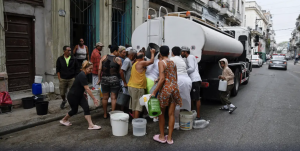
Trump Escalates Cuba Sanctions with EO 14404
At the beginning of May, Trump signed Executive Order 14404, imposing yet another host of sanctions on Cuba, in addition to the existing oil blockade. The Executive Order is titled “Imposing Sanctions on Those Responsible for Repression in Cuba and for Threats to United States National Security and Foreign Policy,” and significantly