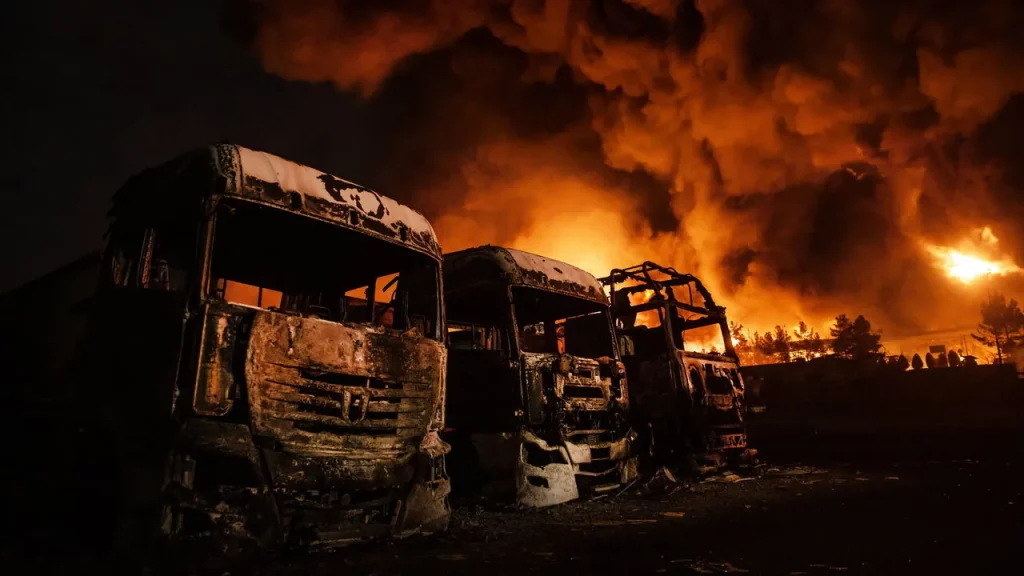

For more than a week, hundreds of thousands in Kenya hit the streets to protest a recently proposed finance bill that would have raised taxes on many everyday essentials. Bread, cooking oil, sugar, sanitary napkins and more basic necessities would have been hit by the tax, which would have struck hardest at the working poor of the east African nation.
President William Ruto, who campaigned two years ago as an outsider to Kenya’s corrupt political structure, claimed he would fight for the youth and the poor. But instead he called in the police and the military to try to repress protesters, killing at least 39 and injuring hundreds more. Last summer, he did the same thing when hundreds of thousands flooded the streets to protest his doubling of the fuel tax, and his police killed an estimated 23 people and arrested hundreds. His administration has also continued to expand the number of highly paid posts in his administration, and has continued to fund extravagant infrastructure projects that don’t benefit the masses of Kenyans. The Kenyan people have rightly focused their anger on him and the politicians that represents Kenya’s capitalist elite.
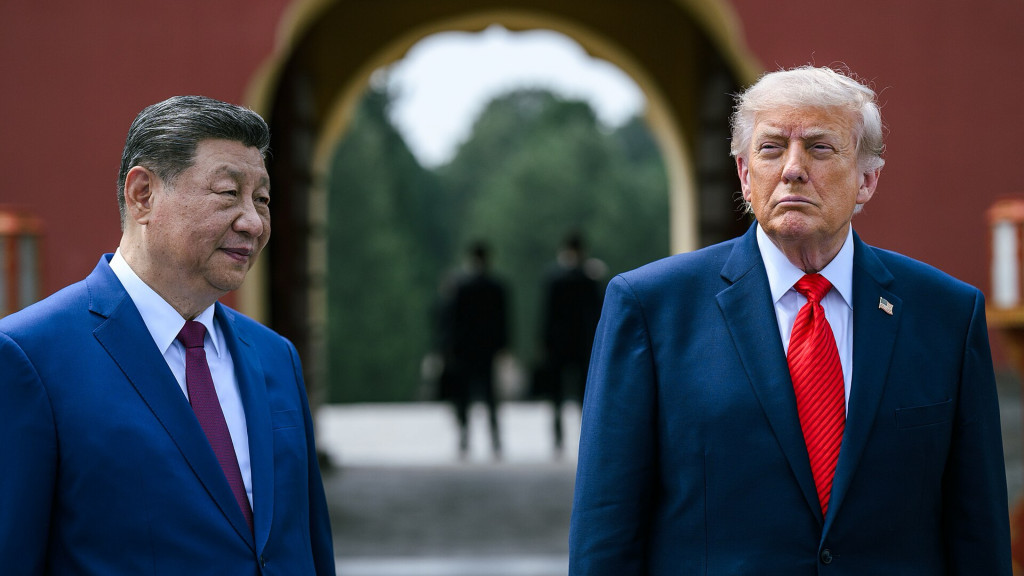
Ruto’s proposed taxes aren’t coming on a whim, or simply to enrich himself and his wealthy supporters. He’s trying to raise the money necessary to pay off the nearly $80 billion in debt, and the billions in interest on that debt, that his nation owes to the International Monetary Fund (IMF), the Chinese government and other international investors. He recently met with U.S. President Biden, who offered more loans for Kenya which will only deepen the nation’s debt crisis. This gives all these outside forces tremendous power over what Ruto will and will not do.
While Ruto and the entire Kenyan political elite are both clearly part of the problem, they are stuck in a long running cycle of economic and political dependence structured by the needs of imperialist capital. This began with British colonialism in the late 19th and early 20th centuries, when the British gave the richest agricultural lands to white settlers, built railroads to facilitate profitable exports, created the infamous kipande system to control African labor and movement, and instituted hut and poll taxes on all Africans. After independence in 1963 this dominance continued informally through global capitalist institutions like the International Monetary Fund and the World Bank, to recent investments by China and Chinese companies and U.S. companies like Microsoft and Coca-Cola. Kenya’s politicians are playing the same role that many African politicians and businessmen have played over the years. They are middlemen between the needs of international capitalist forces and their local capitalist class and the masses of people below. They are not independent actors, but constrained almost completely by the needs and the dictates of the world’s larger capitalist powers. This isn’t only the case in Kenya, but in much of the global south, where nations from Latin America to Africa to South Asia all struggle to meet the needs of the world’s imperialist powers.
Kenyan people are right to be enraged by the government’s actions, and are right to protest them, but the government isn’t the only problem. The larger structure of international capitalism is the real culprit shaping everything that local officials do or don’t do. The people of Kenya are simply the latest to pay the price.