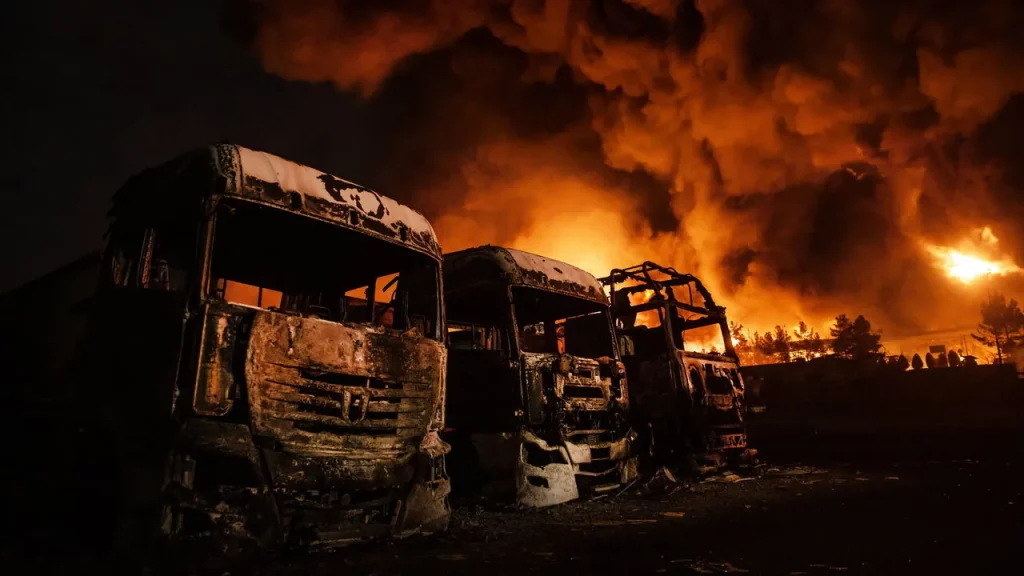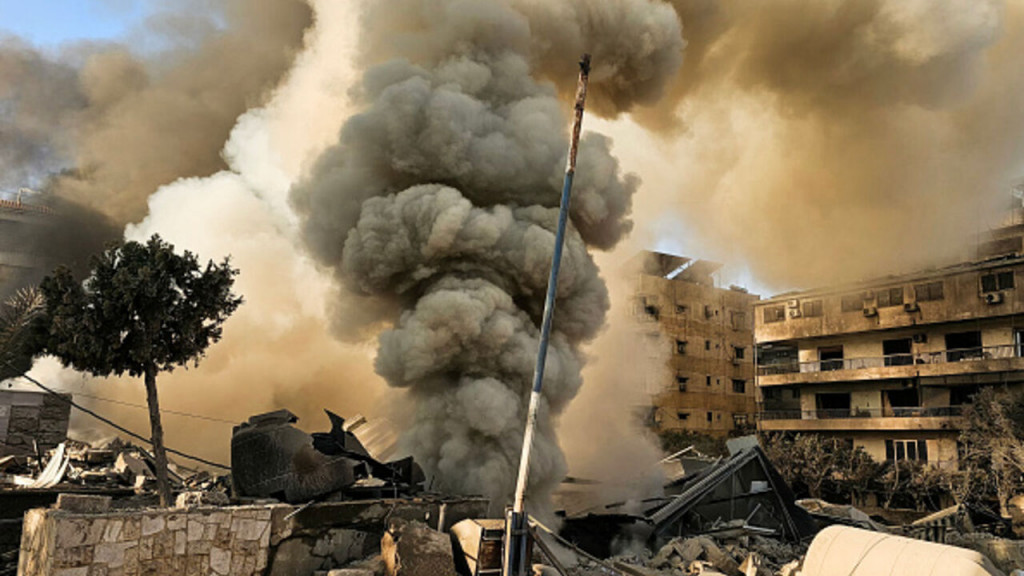
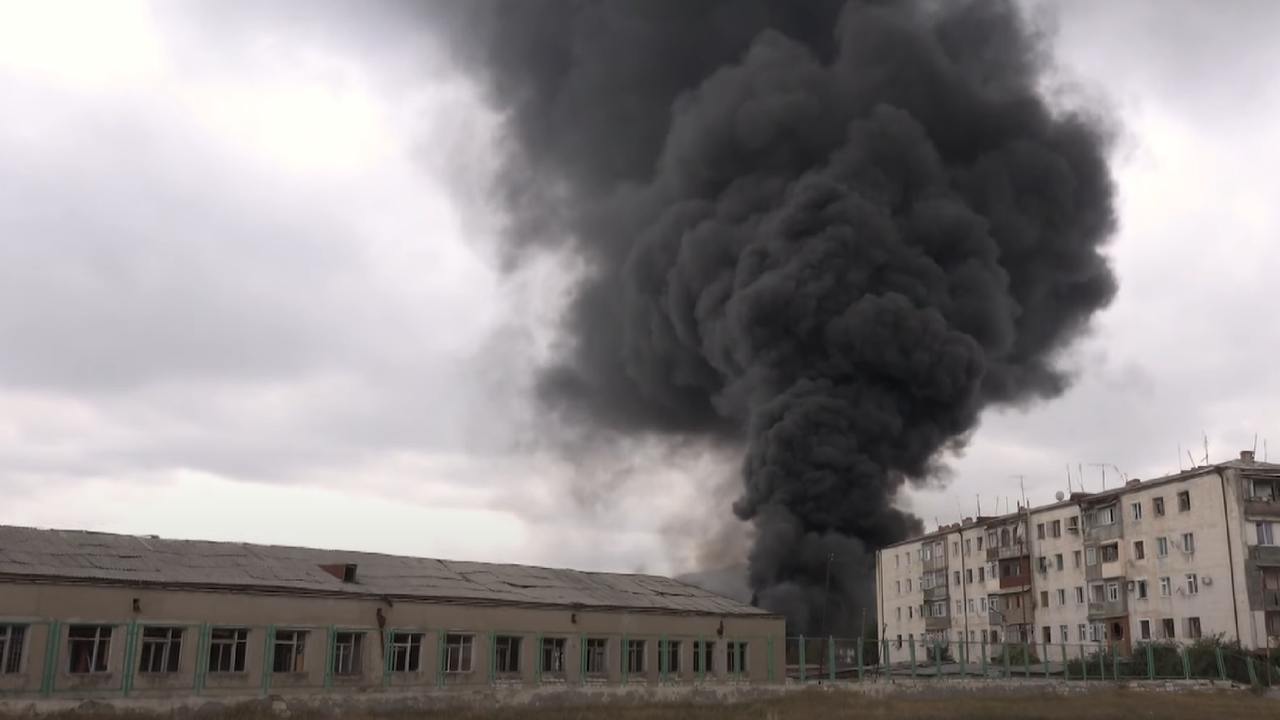
Dozens of deaths, hundreds of wounded, civilians and soldiers: what recently was a disturbing skirmish is now turning into a real war between Armenia and Azerbaijan in the Southern Caucasus over control of the enclave of Nagorno-Karabakh, an ‘Autonomous Republic’ during the time of the USSR, belonging to the Soviet Socialist Republic of Azerbaijan but populated overwhelmingly by Armenians. Thirty years ago, the collapse of the USSR triggered a warlike nationalist inferno that resulted in 30,000 deaths and the displacement of hundreds of thousands of people. Nagorno-Karabakh unilaterally declared its independence, which the Azerbaijani state rejected, and which was not recognized internationally – neither was Armenia. What then? Independence for this mountainous enclave? A return to Azerbaijan? Attachment to Armenia? Since a ceasefire on May 16, 1994, the question has remained open. Eruptions of fighting have been frequent, the most recent in April 2016 and in July 2020.
Local “Patriotic War Songs”
The conflict has become an open war between Azerbaijan (ten million inhabitants) and Armenia (three million inhabitants). Following the example of the Karabakh authorities, the rulers of Baku (capital of Azerbaijan) and Yerevan (capital of Armenia) decreed a general draft (starting with the very young eighteen-year-olds) and proclaimed martial law and curfews. The leaders Nikol Pachinian and Ilham Aliev displayed the dead of the opposing camp as trophies. Each side is flaunting its ultra-nationalism, the alleged invincibility and glory of their “heroic sons.” And they oppose each other’s religions: Christians on the Armenian side (although not all of them are Christian!), Muslims on the other (the same false generalization).
Regional Sponsors
No one can say which step led to this war exactly. For leaders of very poor countries, where oil wealth (as far as Azerbaijan is concerned) is declining and benefits only an oligarchic minority, it is tempting to feed the population with patriotic songs… But the media is already echoing a bit of the panic within the populations who were hoping for a lightning offensive but did not expect bombings, war, and the need for an exodus.
Moreover, the war is being fueled by regional powers: Turkey, Russia, Iran, even Israel… Even if only by supplying arms and even mercenaries. Turkey is said to have sent hundreds of Syrian mercenaries to Azerbaijan, and Erdogan’s regime in Turkey, in its frenzied race toward repression, might find it in its interest to target – in addition to the Kurds and its left-wing opponents – the Armenian minority living in Turkey, in any case to rekindle the specter of the “Armenian question” and the genocide of 1915. Israel, for its part, is said to have sold Azerbaijan an arsenal of sophisticated weapons. And Russia continues to play on both sides. It is an official ally of Armenia. It supplies the country with arms and other means of survival (though not without political compensation), and maintains a military base there. At the same time, it maintains close ties with Azerbaijan, which remains in its zone of influence. It also sells Azerbaijan arms, shares interests with it in the Caspian Sea, and exploits a not insignificant number of Azeris who have immigrated to the Russian Federation.
In this strategic and oil-rich zone, the regional powers are therefore stoking the fires in the embers in order to defend their own interests. And behind them, France, Germany and the United States pretend to want to calm the conflict, and are calling for a ceasefire. But above all they aim to protect the complex and self-serving relations they have with these regional powers.
Hence these bloody conflicts, unbelievable but real… between peoples whose true interest would be, on the contrary, to unite against this huge imperialist game, against this hellish set-up – as with Russian dolls – of local, regional, and world interests. And this only a century after the September 1920 event that marked the region and the world – the Congress of the Peoples of the East in Baku, convened by the Bolsheviks. Yes, the real answer is that we must return to proletarian internationalism.