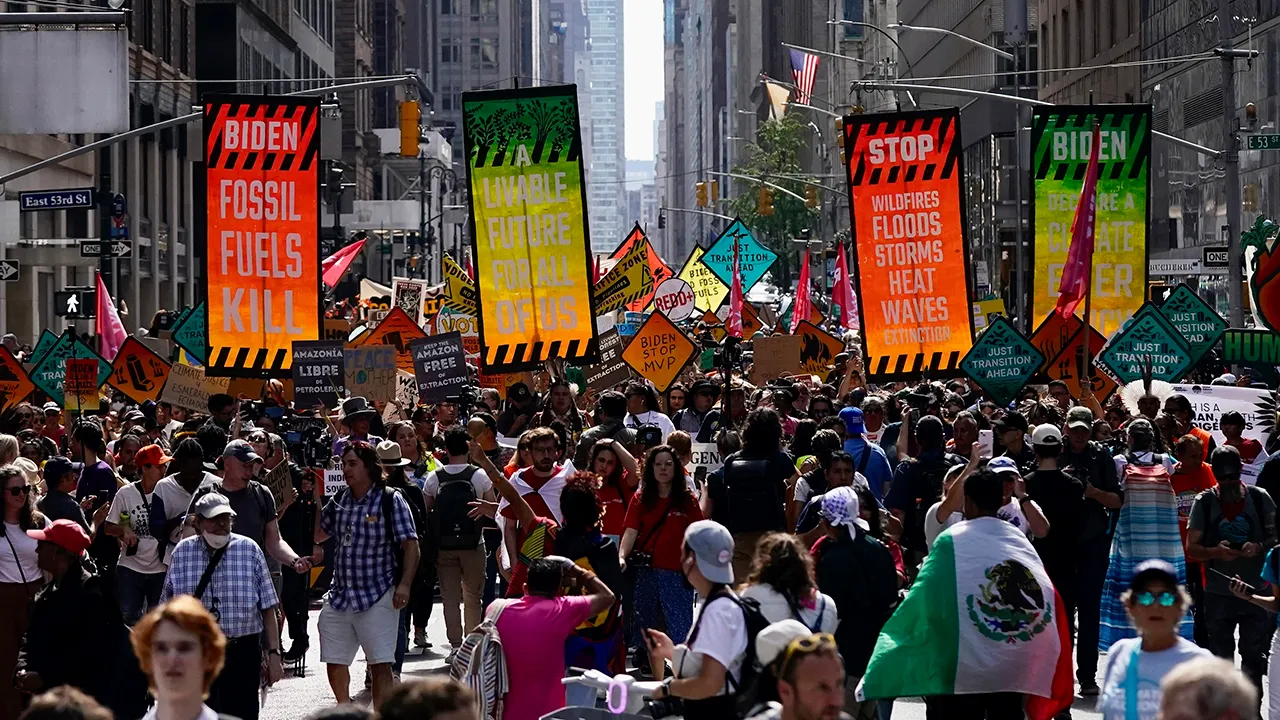
On Sunday, September 17, roughly 75,000 people flooded the streets of New York City for the largest demonstration for climate action in years. This was part of a global movement leading up to the United Nations Climate Ambition Summit. Over 500 actions were organized around the world as a global climate action week, with an estimated turnout of more than a million people in at least 54 countries including India, South Korea, the Philippines, Germany, Congo, Sweden, and many others.
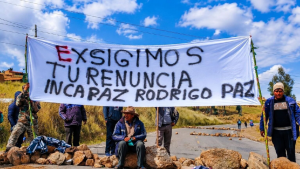
This comes on the heels of related global actions: hundreds of people protested the Africa Climate Summit in Kenya two weeks ago to end “climate capitalism” and reject the financial greenwashing of the summit. In August, 10 years of organizing against oil extraction in Ecuador showed results: a referendum banning drilling in Yasuní National Park won by popular vote. Like all our protests and actions, these mark steps in a long trek of climate organizing. Despite the popular dissent against oil extraction and the legal victory organizers in Ecuador won, the president and government there have no intention of enforcing this referendum.
In New York City, organizers projected 10-15 thousand people would show up. Instead, 75,000 marched through Manhattan to demand an end to fossil fuels. As one speaker put it, “I am terrified for [my kids’] future. I’m terrified for my own future right now. Things are burning and flooding, and the smoke is getting worse. The heat waves are getting worse. Will we be able to have food for 8 billion people? When will we see heat waves that have millions of deaths over the course of a few days?”
Billions around the world are facing this urgent issue. We are coming out of the hottest summer ever recorded, with unprecedented weather events caused by global heating. And now, we are facing even more tipping points to be passed, cascading into the worst-case scenarios of run-away climate disruption. Still, green house gas emissions continue to rise, and absolutely no action has been taken by those in power globally.
The speakers under the spotlight at the March to End Fossil Fuels were celebrities, heads of non-governmental organizations (NGOs), Democratic Party politicians, and union and climate organizers. They claimed that Biden could stop fossil fuel with the stroke of a pen. They argued that by declaring a climate emergency, we would get the just transition we need. This is not true! Biden and the Democrats are the same leaders who have known about this crisis for decades and they continue to increase fossil fuel investments and make campaign speeches.
Even politicians like Alexandria Ocasio-Cortez, as fiery as their speeches are, are positioning themselves to lead a movement back to the polls, back into the heart of a system that does not have any intention of ending fossil fuels in the timeframe we have to operate within. These politicians want us to vote to rely on them to solve the world’s problems. But they have shown time and again their unwillingness or inability to do what is necessary. Biden himself ran as a candidate who would take action on fossil fuels, and instead has only increased their production and, therefore, CO2 emissions. In fact, one of the plans of the global ruling class, under pressure to do something, is to use the International Monetary Fund and the World Bank to make money off the climate catastrophe. They will do this through loans for climate projects to the governments of countries that cannot afford to pay them back. So, not only will their projects be completely inadequate, they will foist the cost onto working people around the world. This is outrageous. This is not a future we can accept. The wealthy must pay.
We must continue to organize to say “No!” to fossil fuels no matter who is in office, no matter what promises they make during their campaigns. Fossil fuels are embedded in every aspect of our economy, in every aspect of how we get the basic resources we all need to live. We will have to organize a mass struggle that will challenge every aspect of the capitalist economy. The world we deserve is one where the millions of working people are deciding how to use the world’s resources in the interests of humanity and all life on the planet—not the profits of a few. This will require us to continue to organize in the aftermath of Sunday’s march. Let this mark a beginning!