
Many tech enthusiasts, tech cheerleaders and even many so-called analysts treat the giant tech and internet companies that have come to dominate our world as if they are unique, or perhaps an exceptional economic sector that can somehow erase all the old rules of economics and keep growing endlessly, helping to magically make the world better along the way. Even though the tech-boom crash of 2000 should have already made it clear that this was never the case, the past month has driven the point home.
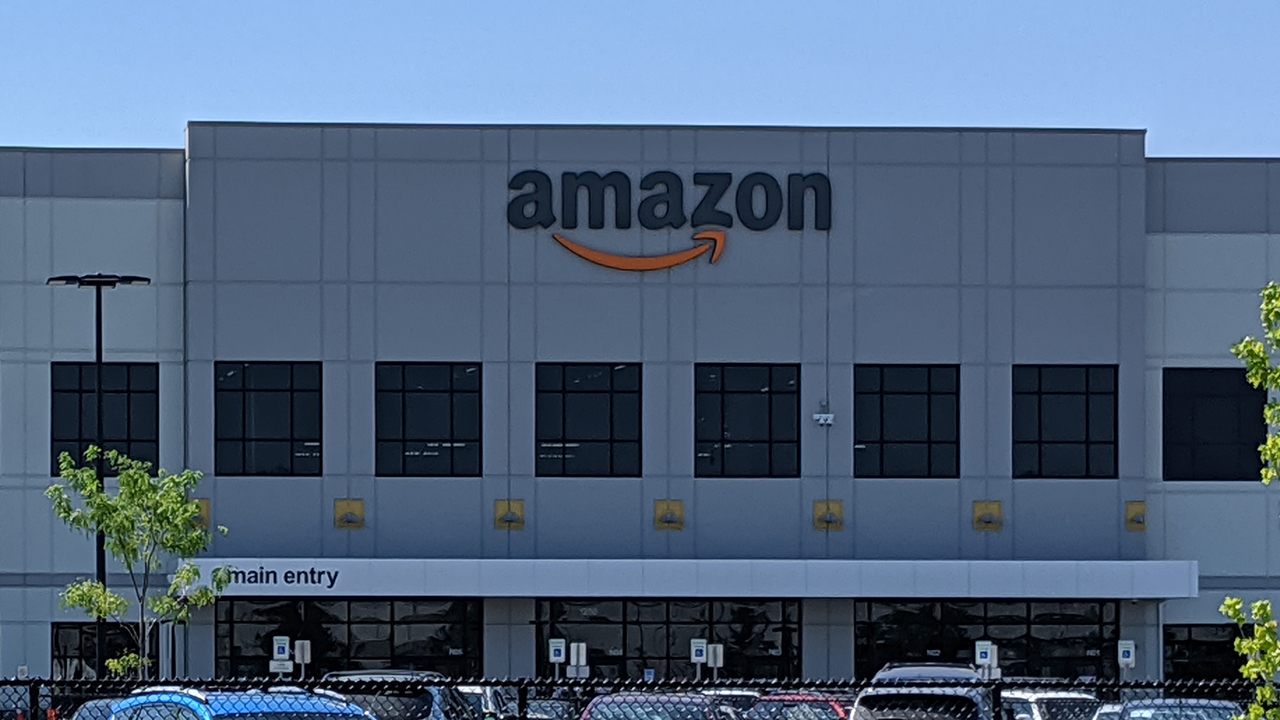
In the past year, 72 different tech companies have laid off a total of 120,000 workers, most college-educated and many highly paid. In the past month alone, even the big boys of tech have been slashing large slices of their workforces: Microsoft laid off 1,000; Stripe also laid of 1,000 (about 14% of its workforce); Twitter laid off 3,700 (nearly 50% of their workforce); Amazon announced layoffs of 10,000 (3% of their corporate employees in their devices division); and Meta announced layoffs of 11,000 (about 13% of its total staff).
They all say that they’re victims of loss of revenue from advertising as companies cut advertising spending as fears of recession spread. But they have all grown rapidly for years (some for nearly twenty years), trying to meet demand in their traditional markets and trying to consistently expand to create and capture new markets. They also beefed up their workforces in response to their rapid pursuit of profit during the pandemic, when more people were working and shopping from home. This is what businesses do: they develop new technologies to help them produce more and more cheaply, they expand to new markets, and at some point, they “overproduce” (produce more than they can sell). Sometimes they overproduce cars, sometimes they overproduce housing and credit, sometimes they overproduce food or steel, and sometimes they overproduce new technologies (like Amazon’s super-efficient sales capabilities or Meta’s virtual reality, for example). When they realize they’ve overproduced, they suddenly have to cut back on production of that commodity or service. For the boss that means they’re cutting costs. For the worker that might mean pay cuts, it might mean intensification of work for the same pay, or it might mean layoffs.
More important, since the boss (think Musk or Zuckerberg or Bezos) has already become astronomically wealthy off the labor of their workers, they can afford to cut costs or “tighten their belts” because that doesn’t mean they lose their home, or can’t put food on the table. So when Mark Zuckerberg recently said “I want to take accountability for these decisions,” did he mean he was going to continue to keep employees on the payroll even as the company became less profitable? Did he say he would continue to pay their mortgages and grocery bills or college loans or health care costs now that he had already exploited their labor and grown rich? Did he say he would take a massive cut in income to keep them working? No.
So the billionaire bosses get richer on our backs, and then lay us off when having us around costs them a bit too much, or when the boss may simply be too egotistical to even understand the business he just bought for $44 billion.
But whether the boss is “good” or “bad,” in tech or in steel, on this continent or that, smart or stupid, the system remains the same. The tech companies and their bosses aren’t unique, nor are their layoffs of their workers.
They’re all just a normal part of the functioning of the capitalist system. And that’s why it needs to go.