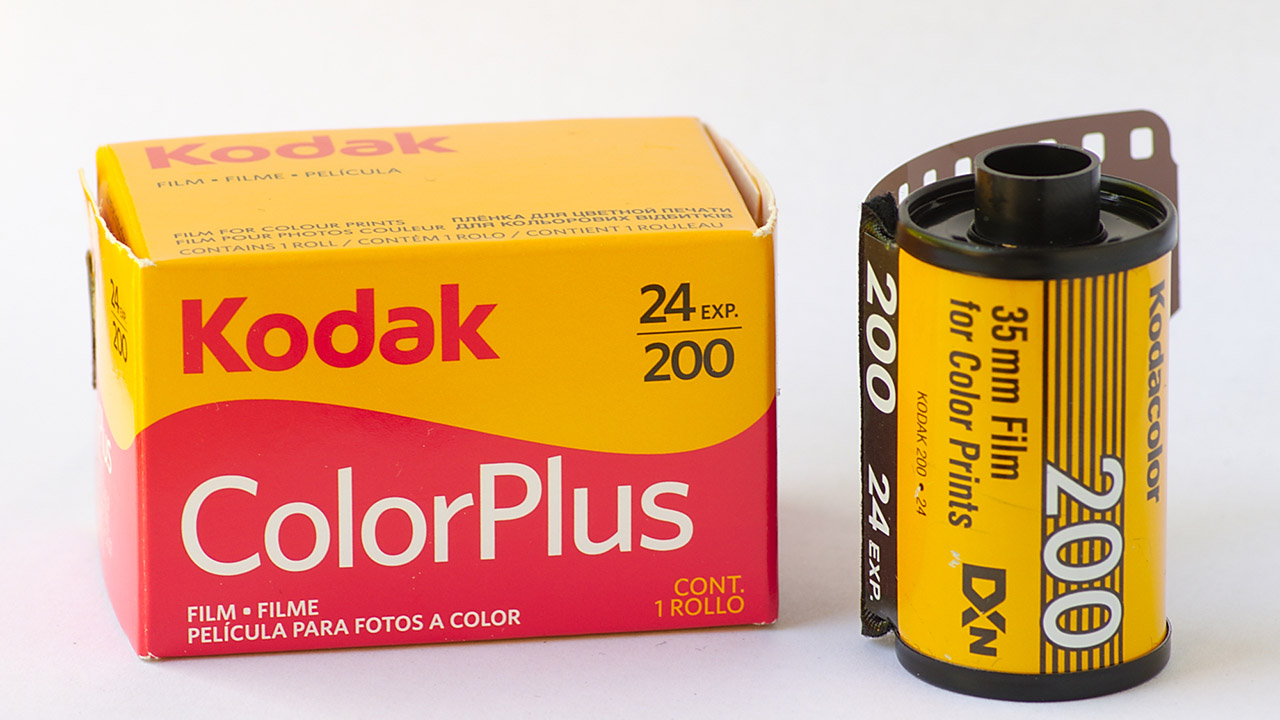
Recently, the Trump administration announced a new development in U.S. pharmaceuticals. The Kodak Film Company is expected to be given a $765 million loan to help launch a new wing of the company producing generic pharmaceuticals and pharmaceutical ingredients. This is through the Defense Production Act, which allows the president to control the production and distribution of scarce resources that are “essential to the national defense.” Kodak Pharmaceuticals will take on the role of producing 25 percent of America’s demand for key pharmaceutical ingredients and components that are in short supply, and are essential to the U.S. supply chain.
This seems like it could be a logical transition for the company, since photo development heavily relies on synthesizing and formulating high-purity chemical compounds and processes, similarly to how much of the pharmaceutical industry creates drug ingredients. This expertise with chemicals helped generate great profits for Kodak in the ’70s through the ’90s. But since the rise of digital film and cameras, Kodak has been struggling to remain relevant and profitable, and filed for bankruptcy in 2012.
But what’s really behind this partnership between Kodak and the Trump administration? Is it for the health and well-being of patients dependent on the drugs these pharmaceutical ingredients help to create? Does it really make sense for a company specialized in film-developing chemicals to transition to pharmaceutical ingredients? If this is supposed to help fight COVID, do we really want a start-up in pharmaceuticals to get rich off our tax dollars?
Since this announcement, Kodak has come under fire for allegations of insider trading by their executives. The day before news broke of the $765 million governmental deal, a large number of their stocks were bought up. Once the announcement came out, Kodak’s stock began skyrocketing, making a lot of money for shareholders, including Kodak executives.
It’s clear that this is yet another money-making scheme for the ruling class of this country, and not a plan devised to help make drugs more accessible for patients in need.