In October 2001, the U.S. Government began a war on the people of Afghanistan. Within two years war was carried to the people of Iraq as well. Today there are 200,000 U.S. Troops waging war in the Middle East – 137,000 in Iraq, 40,000 in Afghanistan and another 21,000 deployed after a recent decision by the Obama administration to increase troop levels. These wars have had an enormous cost, both in dollars and in human lives.
Billions Wasted on Death and Destruction
• $973 billion – The total cost of the wars so far.
• $7.3 billion – The amount spent per month on the war.
• $5,000 – The amount spent on the war every second!
Human Costs in Iraq
• Over a million Iraqis have been killed since 2003.
• Five million Iraqis have fled their homes and have become refugees in Iraq or other countries.
• 60 percent of Iraqis are unemployed.
• 28 percent of Iraqi children are malnourished.
• Most Iraqi homes receive only one or two hours of electricity.
• Only 37 percent of Iraqi homes have working sewer systems.
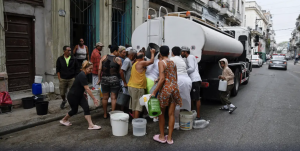
• 70 percent of Iraqi homes have no clean water.
Human Costs in Afghanistan
• No one knows how many Afghan civilians have died in the war, but estimates are in the thousands, with casualties increasing by 40 percent since 2007.
• 43 percent of Afghans interviewed by the Red Cross say they have been tortured.
• 60 percent of civilian casualties in Iran are caused by airstrikes by the U.S. Military.
• 3.7 million Afghan refugees have fled to Iran and Pakistan.
• 20 percent of Afghan children die before the age of five.
• 70 percent of Afghan homes have no electricity.
• 70 percent of Afghan households have no access to clean water.
U.S. Troops Killed and Wounded
• 5,379 U.S. Troops have been killed in Iraq and Afghanistan.
• 100,000 Estimated U.S. Troops wounded.
• 20 percent of injuries are serious brain or spinal injuries leaving soldiers crippled for life.
• 320,000 vets suffer post-traumatic stress and depression from regular exposure to explosive devices
• 18 U.S. Veterans commit suicide every day.
We Pay the Price for Their Wars
Every day that the U.S. Government wages war on the people of Iraq and Afghanistan, a the price is paid by ordinary people. In Iraq and Afghanistan the lives of people are ruined and ripped apart. In the U.S. our tax dollars are wasted while thousands of young lives are lost in a murderous war. Their wars are costing too much. It’s time we stopped paying.