In Solidarity with Hawaiian Workers
COVID-19 has spread across the globe, including the islands of Hawaii. Already the most expensive state in the nation, most residents, who were already struggling financially before this crisis, are now unemployed. Meanwhile hotels sit empty, despite the largely native Hawaiian homeless population living in encampments across the state. The construction industry has tried to offer remodeling of hotels as a “stimulus” for the economy, throwing more money at tourists rather than the local population. This decision to continue construction will put local families at risk, as construction workers have already been told they will not be provided masks or other protective equipment, and workers ride to job sites packed in full vans, sharing facilities such as port-a-potties – the opposite of the social distancing the state has suggested. Yet, with such high unemployment, many feel lucky to have jobs, even if they come with fears of contracting the virus.
However, as COVID-19 has spread to the Pacific, so has resistance from its residents. Despite the tight grip that tourism holds on the state economy, locals began staging protests at airports, harbors, and along the roadside when they realized the tourists flooding into the islands were bringing the virus with them. They held signs telling tourists that Hawai’i was closed, they were not welcome, and to GO HOME. Footage surfaced of native Hawaiian residents blocking roads with their cars and refusing to allow tourists access to their communities. In at least one hotel on Maui, pool servers walked off the job after being told they had to stay and care for the remaining guests even though facilities in the hotel had closed.
Knowing the economic consequences of a break in tourism, people chose to stand up and protect their communities from a virus they knew would rapidly overwhelm the already inadequate medical infrastructure that exists in the state. These actions set a precedent long before the governor finally closed the state to visitors by issuing a mandatory quarantine for all those arriving to the islands. These actions were surely spurred in part by the energy of the massive protests that rocked the state last year, led by the native Hawaiian community, against the building of a 30 meter telescope on the sacred mountain Mauna Kea. These networks, already built by the activists who led that struggle, sprung forth again in the face of the pandemic as people stood up to protect the islands.
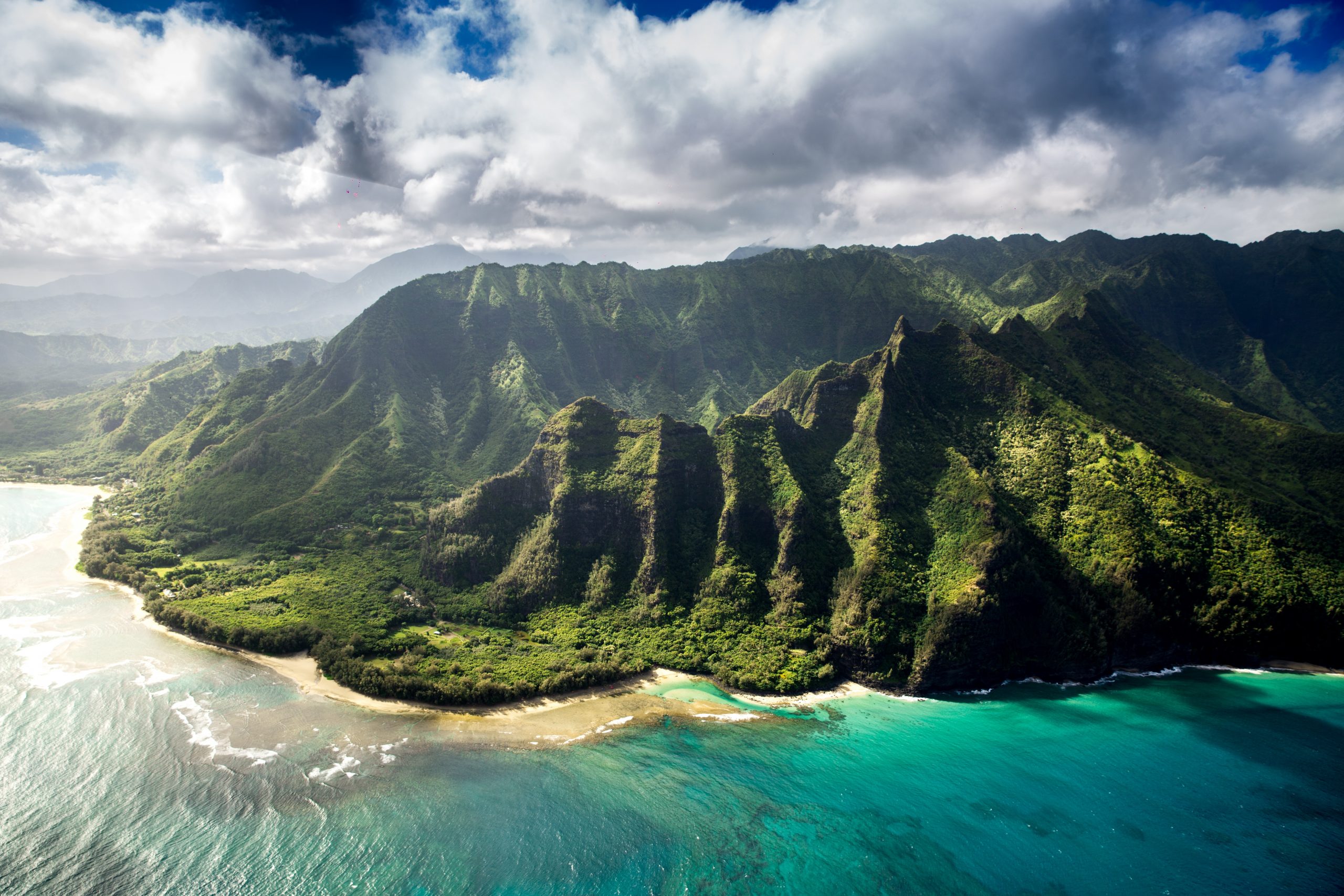
Featured image credit: Braden Jarvis / Unsplash