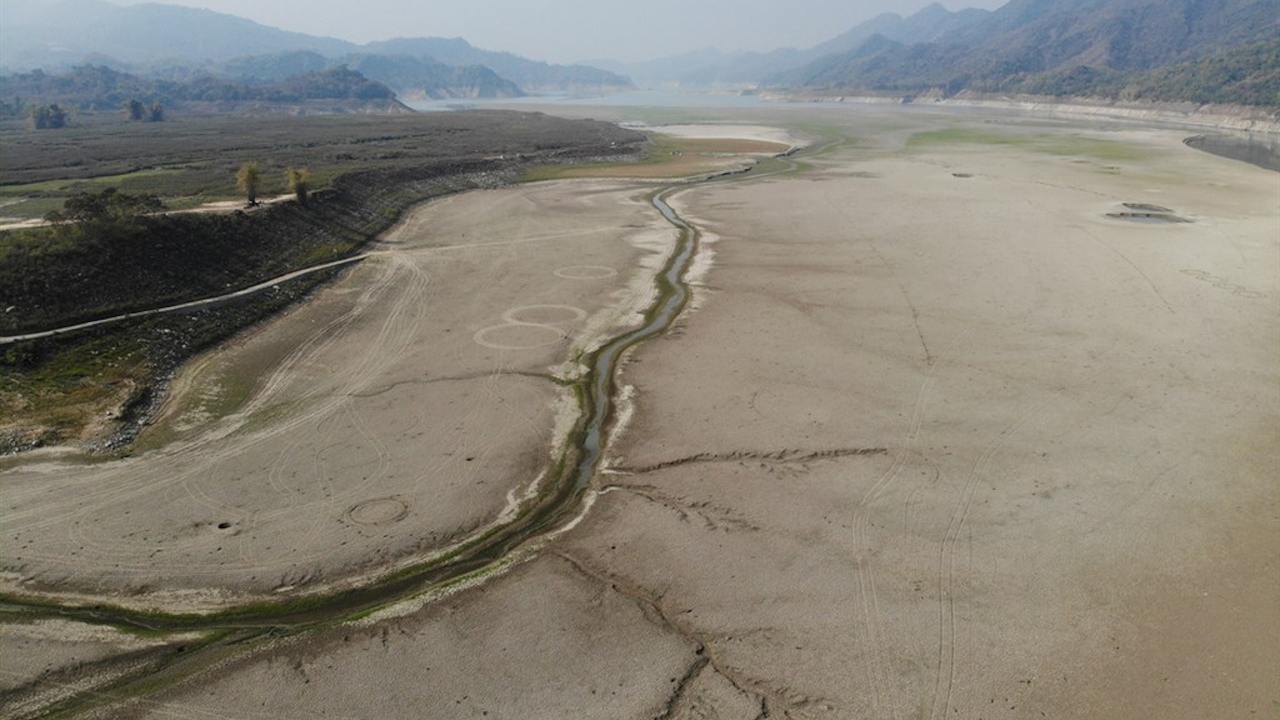
Taiwan is currently experiencing its worst drought in 56 years. In 2020, no typhoons made landfall on Taiwan, and combined with a weak monsoon season, much of Taiwan is in a drought, particularly the central and southern areas. Taiwan normally experiences an average of 3-4 typhoon landfalls per year, which contribute a significant amount of rainfall.
Climate change threatens to make droughts more severe in Taiwan. Researchers are predicting a decrease in annual rainfall of 40 to 60 percent by the end of the century due to fewer typhoons forming, and typhoon paths tending to shift north toward Japan and Korea.
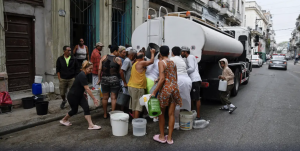
In response to the drought, the government has instituted water rationing for millions of residents of central Taiwan, with residents’ tap water cut off for two days per week. Farmers have had to stop irrigating their crops. The government provides compensation, but that often goes to landlords rather than the farmers themselves. And many farmers fear that leaving their land fallow now will mean loss of markets tomorrow.
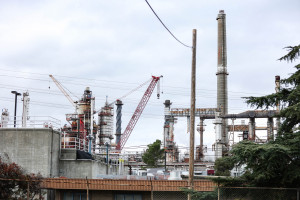
However, the Taiwan Semiconductor Manufacturing Company (TSMC) has been largely unaffected by water rationing despite a 15% water supply reduction. The chip manufacturing process consumes large amounts of water. TSMC has resorted to transporting truckloads of water from parts of Taiwan less-affected by the drought to its facility in Hsinchu.
TSMC produces about 90% of the world’s most advanced semiconductor chips. A large variety of electronics are dependent on these chips, including computers, smartphones, televisions, and cars. The drought in Taiwan and the possibility of having to reduce TSMC manufacturing threatens to worsen an existing worldwide chip shortage caused by increased consumer demand during the COVID-19 pandemic. TSMC plans to build a new facility in Arizona in order to reduce dependence on any one location.
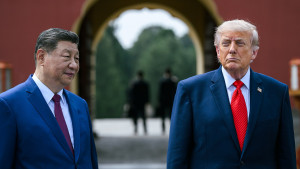
Given the important role of TSMC in many supply chains, the Taiwanese government also appears to be using it as a political pawn while tensions are escalating between Taiwan and mainland China.
This situation highlights multiple reasons why we need to get rid of capitalism. The capitalist economy and the laws that support it allow incredibly wealthy companies like TSMC to survive a drought while ordinary people and small businesses lose water two days a week and farmers’ very survival is threatened. Taiwan’s drought is part of global climate change and is just one of the multitude of disasters that capitalist governments, despite knowing the threat, have ignored to the point that the worldwide catastrophe is effectively out of control. And, rather than seriously addressing the threat of global devastation, the governments of China, Taiwan, the U.S., and the others play politics with climate-related crises.
All of this points to the necessity of replacing the global capitalist system with one that puts human needs above profit. The capitalists won’t save the world. It’s up to us.