Even before the pandemic, healthcare was inadequate for most people in the U.S. But with the crisis of COVID, like an MRI to the system, it was revealed just how little healthcare actually operates in the interests of people’s health.
For one thing, the current healthcare system requires insurance coverage. And health insurance companies operate to make profit, not to serve human health. This is why they can refuse to pay for care – they may deem a service unnecessary, or demand that you try a cheaper alternative first. But care should not be decided by those looking to save a buck, it should be a decision between provider and patient, with the best outcomes in mind.
In the U.S., the richest nation in the world, more than 10% of people under 65 don’t even have health insurance. This number is even higher for people of color. With the pandemic, millions more lost coverage in COVID-related layoffs. This means that those without benefited jobs, not yet covered by a government program or unable afford it, are left without healthcare. But as we know, everyone gets sick. For the uninsured who were hospitalized with COVID, they were stuck with bills averaging over $50,000. That’s more than most working people make in a year!
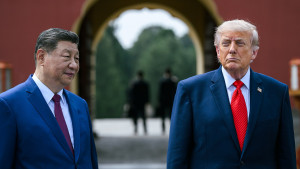
The rich, on the other hand, can get the treatment they need, when they need, insurance or not. Many have private doctors or access to the highest quality care – just look at the care Trump received when he had COVID. He immediately received monoclonal antibody therapy which costs up to $1250 per infusion. Meanwhile, many poor and working people do not have access to these treatment options, and in some states are being turned away from hospitals that don’t have enough resources to care for everyone that needs it. This healthcare system only exists for those who can afford it!
Another pillar of the healthcare system is the pharmaceutical industry. While drug companies have indeed developed life-saving medications in the past, they now spend more money on marketing than they do on research. And when they do research, it’s funded by billions of U.S. taxpayer dollars. Yet, people still end up paying billions to access these very same prescriptions.
But not all are able to afford the outrageous prices of certain medications, especially those with patents and no generic alternatives. And companies are not afraid to mark up prices even for medications that people would die without. Insulin, for example, is cheap to produce, but can cost patients over $1,000 every month. Diabetics who have come up short for just one month have been known to die because of this. And look at what the Pfizer executives have planned for the COVID vaccine – as soon as they are able to increase its cost they will. They know the demand will continue, especially with most of the world having been denied access to vaccines.
And let’s not forget that the opioid epidemic, which kills more than 120 people in the U.S. every day, emerged from pharmaceutical companies pushing these meds while understating their potential for addiction. After all, there’s nothing more important than the bottom line, even when lives are at stake.
So, while these problems of the healthcare system existed far before, COVID merely ripped the scab off the gaping wound. Over 670,000 people have died in the U.S. from this pandemic so far, disproportionately the elderly, people of color, and the poor. Many people still have to scramble to get access to testing, which should be free and accessible to all. But it is not, meaning that those who can least afford it have to pay.
This last year of sickness and death may seem like an extraordinary event that broke the healthcare system. But the reality is that the system was already broken. A healthcare system that is based on profits cannot prioritize human lives. If this pandemic has shown us anything, it’s that the real sickness of this society is capitalism.