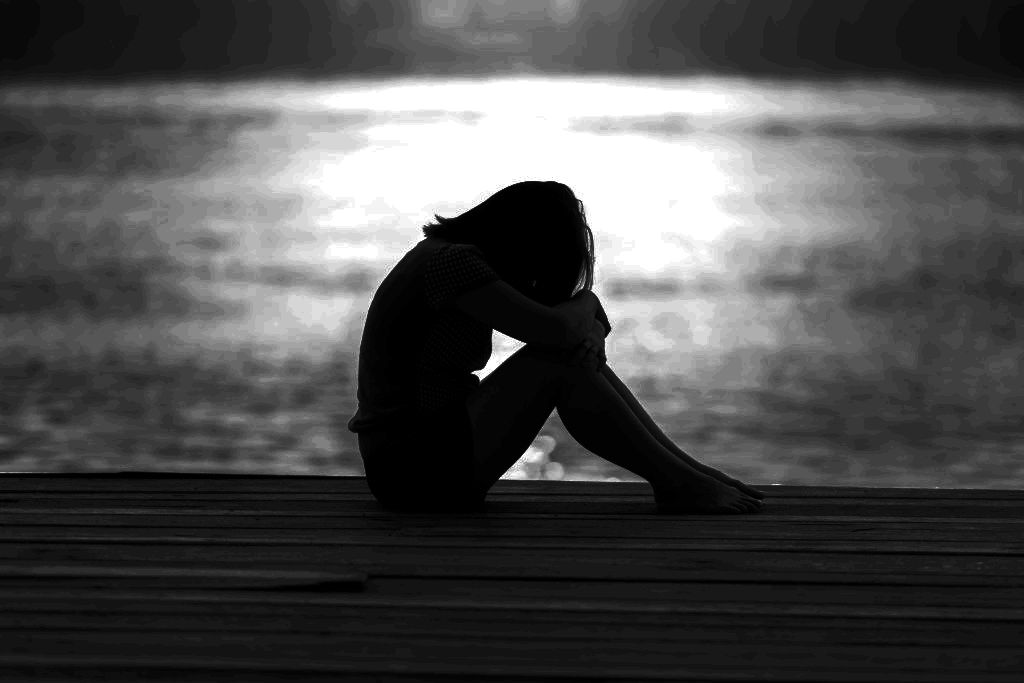
A CDC report released on Feb. 13 told us that there is a terrible rise in teen depression, especially for girls. Specifically, in the U.S. nearly:
- 3 in 5 (57%) teen girls felt persistently sad or hopeless in 2021 — double that of boys, representing a nearly 60% increase, and the highest level reported over the past decade.
- Nearly 1 in 3 (30%) seriously considered attempting suicide — up nearly 60% from a decade ago.
- More than 1 in 5 (22%) LGBTQ+ youth attempted suicide in the past year.
These findings show high and worsening levels of persistent sadness or hopelessness across all racial and ethnic groups.
We can’t be sure of all of the causes of this. But we do know some for sure. Fear of violence is real, and produces depression. Violence has risen as a result of social isolation, and the extraordinary availability of guns, with a growing feedback loop, stoked by advertisers in the weapons industry, and their powerful political supporters, the National Rifle Association (NRA).
We also know that isolation and disconnection breed sadness and depression. Yet today, typical teens in the U.S. are spending about half of their waking hours on their smart phones. This is true when they are alone in their homes as well as when they are together with friends. The impact of the use of smart phones among youth is an increase in the sense of isolation and loneliness. The current evidence that social media is playing a role is striking. There is plenty of evidence that shows that worse mental health outcomes followed after the first introduction of social media into specific communities. An interesting analysis of these studies by the social psychologist Jon Haidt is available here.
Social media companies have hired psychologists to make their sites or apps addictive, especially for young people. They do this because they only make money through advertising, and there is value in maintaining those eyes on the app. We are social animals. We need social connection to feel well. However, the “social” in “social media” is quite frankly “antisocial” media. For many young people, it is contributing to a sense of worthlessness and a lack of connection with others.
And this is all in addition to what we know is a growing anxiety among young people around the climate emergency. Many people (young and old) feel that their futures are not certain at all. At the same time, we see increasing attacks on women’s reproductive rights and the rights of LGBTQ people. Combine this with rising inequality, increasing debt, ongoing climate disasters, and many other reasons to be anxious about the present and the future.
All of this is a recipe for young people to question what sort of society they are being socialized into. This questioning can sometimes be a start in finding ways to be active to change society. But, of course, all of these factors can also be enough to push someone into becoming increasingly disengaged from society, which can lead to depression.
Dr. Jamieson Webster, a clinical psychologist and psychoanalyst, writing about depression in young people in a New York Times Op-Ed, explained some of the many factors like this :
[Many patients] spoke passionately about climate change, about racism and inequality, about all the ‘mental health’ issues of [their] friends who were on this medication and that medication, and had eating disorders, attention disorders, self-harming behaviors and depression … [They also] spoke to the contradictions of [their] parents, who seemed unhappy in their work, in their role as parents, in the privileges accorded to them, along with those denied to them, and were enraged by the political environment on all sides … What happens when [they] realize the escalator — so crucial to the American dream — didn’t go anywhere, and maybe never really worked?”
There are many likely causes of this enormous rise in depression — but all of them stem from a society that devalues human life, destroys the planet, and places the accumulation of wealth above all else.