In the wake of recent U.S. military strikes against Iran, social media platforms have become battlegrounds for disinformation. While the initial uptick in fake and AI-generated images happened during the beginning of the Russia-Ukraine war, the war with Iran marks a dangerous evolution in disinformation. High-quality artificial intelligence tools that weren’t readily available in 2022 are now being used to create generated videos and images that are nearly indistinguishable from real footage.
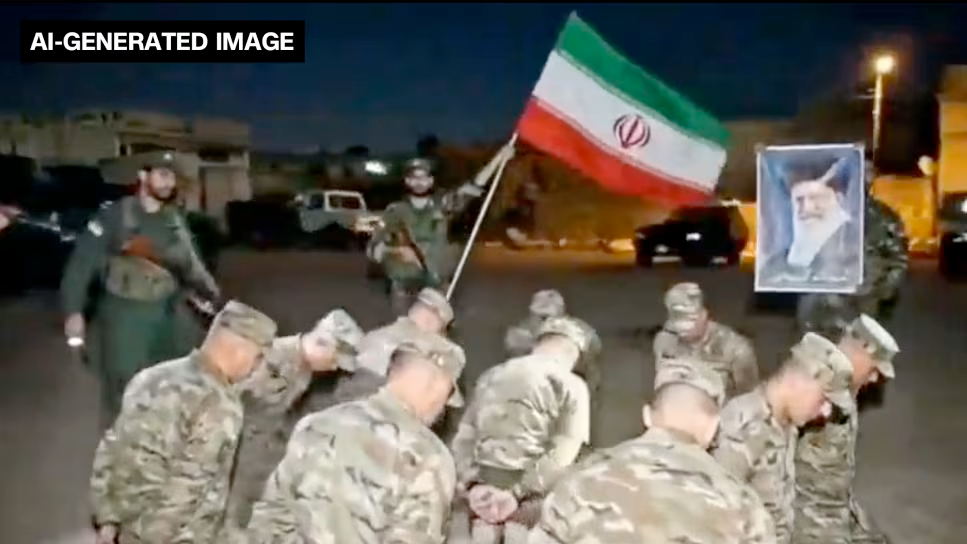
One viral video viewed more than 250,000 times showed a sobbing American soldier claiming U.S. embassies from Islamabad to Baghdad had been set on fire, despite no official reports. The inconsistencies in the video gave it away. The soldier’s phone was disproportionately sized and his movements appeared unnatural. Other X users circulated images of captured U.S. soldiers that still contained the Google Gemini logo in the corner. Another image of U.S./Israel bombing painted silhouettes of Iranian fighter jets also went viral. Some videos purporting to show missile strikes on Tel Aviv were actually footage of Algerian football celebrations, while clips claiming to depict U.S. airstrikes on Iran were traced back to Arma 3, a military simulation video game.
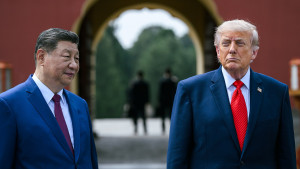
Beyond AI-generated and fake content, President Donald Trump has been spreading his own disinformation. Within hours, Trump made contradictory claims: the war was almost over, that Iran was weeks away from a nuclear weapon, that Tehran possessed American Tomahawk missiles and used one against its own schoolchildren, and many more lies. Analyses confirmed the weapon was an American-made Tomahawk missile, which only the U.S. and a handful of allies possess.
This flood of disinformation serves multiple purposes for its creators. For some, AI-generated content drives engagement and revenue as sensational war footage attracts millions of views. For Trump, spreading confusion helps sow disarray and fear while justifying military action. To verify content, experts recommend reverse-image searching pictures and screenshots for videos and consulting reputable journalism sources when doubt arises about war imagery. To check if a video is AI-generated, look for unnatural movements, disproportionately sized objects, and AI generator logos in corners. Videos also eight seconds and shorter could possibly be AI-generated, as some video generators, such as Google Veo, can only create videos up to eight seconds long. Staying alert and critical of information we consume online is essential to identifying fake content.