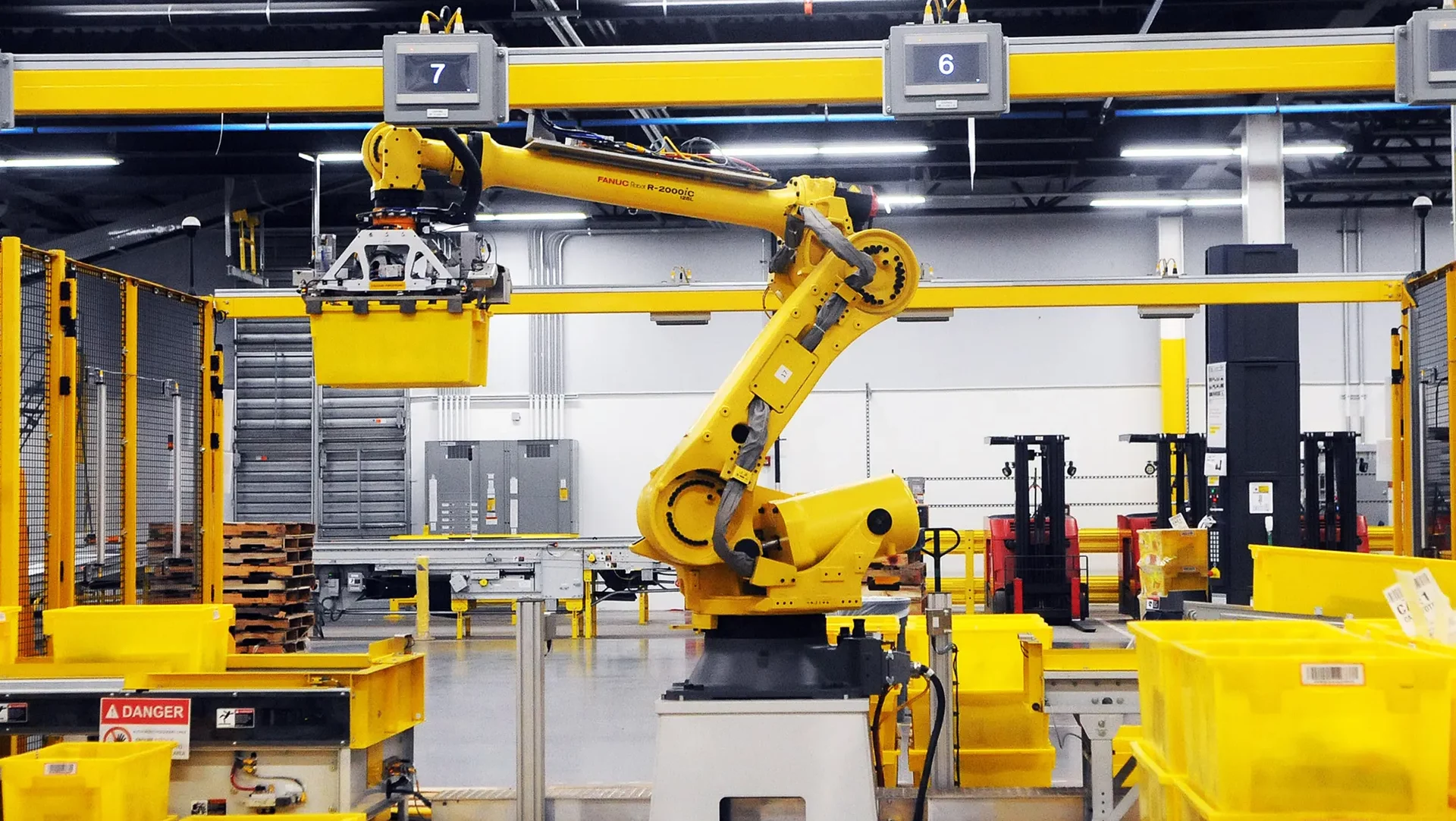
The New York Times reports that Amazon is planning to eventually replace 600,000 jobs with robots by 2033. Amazon’s robotics team has a goal of being able to automate 75% of its operations.
If Amazon is successful in automating away blue-collar jobs, other companies such as Walmart and UPS are likely to do the same in order to remain competitive.
Amazon’s executives know that automation will hurt people, because they are already planning greater corporate participation in community events to wash its reputation in communities that would be most impacted by job losses.
Why should workers be hurt by increased efficiency? What if instead of becoming unemployed, workers could benefit from their productivity by having more free time, or by getting paid more?
Under capitalism, the benefits of better technology directly benefit the company owners, because they own the productivity gains and the associated increased profits. Sometimes the increased productivity might allow executives to afford to throw some scraps to the workers in the form of higher wages as long as market conditions permit company growth. Eventually though, they must feel the pressure to maximize profits, which means cutting jobs they deem as unnecessary. Any harm to real people that they do in the process isn’t their problem.
Bill Gates, former CEO of Microsoft and once the richest person, recognized that better technology might reduce the amount of work people need to do and that something would need to change. In March 2025, he suggested that people could work “2 or 3 days a week” within 10 years, thanks to artificial intelligence. As a capitalist, he surely knows that this can’t happen under capitalism. If necessary labor can really be automated away this effectively, then instead of everybody getting more free time, what is more likely to happen is that half of the workers, now unnecessary to the system, will simply be unemployed, and they can starve to death for all the system cares about them.
If we want labor-saving technology to benefit us, we need to change the system—away from capitalism, to one in which the workers are empowered to make decisions about their own workplaces and larger society.