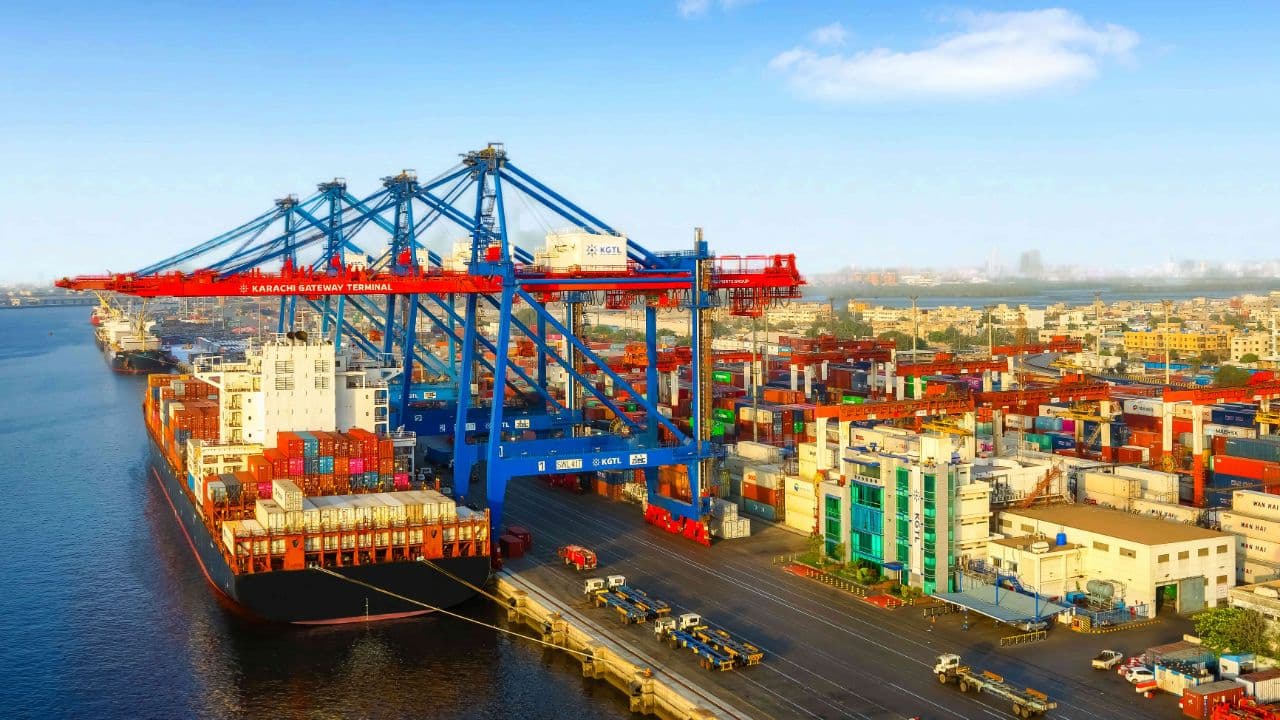
Negotiations for new contracts covering 45,000 longshoremen, working at 11 ports on the Atlantic seaboard and the Gulf Coast, are at a standstill. On June 10th, the International Longshoremen’s Association (ILA) broke them off, saying that longshore employers were continuing to violate the existing contract. The ILA has scheduled a meeting of local union officers for September 4th and 5th to finalize demands. The union president, Harold Daggett, has said that the union will not extend its contract if it does not have a new agreement by the end of September. Reports in the business press say the union is demanding a $5.00 per hour increase for each year of a proposed 6-year contract. Pensions and company efforts to further automate the complex process of moving freight on and off the docks are big issues.
The annual value of goods shipped through these 11 ports is estimated to be approximately $3 trillion, about 10% of the $29 trillion U.S. economy. Shipping bosses take the prospect of a strike so seriously that they have begun to divert some vessels to ports on the West Coast. There is no doubt that even a short work stoppage would be not only hit the profits of the shipowners and longshore companies but would also impact the profits of all the industries which depend on ocean shipping to get their products to market.
Longshore and shipping companies have made record profits thanks to the 25-year boom in international trade, a boom barely interrupted by the supply chain disruptions associated with the COVID-19 pandemic. A.P. Moller-Maersk, which owns more than 700 container ships and controls five of the ports at which ILA members work, hauled in revenues of $82 billion for the twelve months ending on September 30, 2022, a more than a 50 percent increase from the previous year. Even in 2021, only months after the worst of the pandemic, A.P. Moller-Maersk earned nearly $62 billion, a jump of almost 56 percent over 2020.
The last East-Coast-wide ILA strike was in 1977, lasting seven weeks. In the decades since then, ILA wages and pension have fallen well behind inflation and behind the gains made by the union that represents dock workers on the west coast, the International Longshore, and Warehouse Union.
When negotiating contracts, the ILA top officers have a history of excluding the members, and this practice continues. The current ILA newsletter provides no information about bargaining. Instead, it features pictures of ILA picket lines from decades ago, implying the possibility of a strike but giving no information about what is going on in negotiations. While keeping the ILA members in the dark, the union officers also pick their pockets. Last year, ILA president Harold Daggett made off with $900,000 in salary and reimbursed expenses. Daggett’s son, the union’s executive vice president, took home $700,000.
The contract will expire just two months before the presidential election and the Democrats will certainly want to avoid a strike. Just as Biden and congressional Democrats forced a poor contract on railroad workers in 2021, so might the Democrats impose a Taft-Hartley injunction on the Longshoremen if the union strikes at the end of the contract. A Taft-Hartley injunction would have the immediate effect of postponing legal strike action until after the election.
After the September 4th national meeting of officials from the locals, there will be local union meetings where more information about the union’s goals may become available. These local meetings could be an opportunity for members to pressure both the top union officials and the longshore and shipping bosses to meet their demands. This will only happen if militant ILA members decide to organize for this purpose and follow up with actions like practice pickets, which have become popular with other unions negotiating contracts. The role of the ports in the economy gives longshore workers tremendous potential leverage. ILA members understand this, as do the politicians and the employers who are arrayed against them. In the next few months, there will be lots of eyes on the ports, watching to see what the longshore workers are able to do.