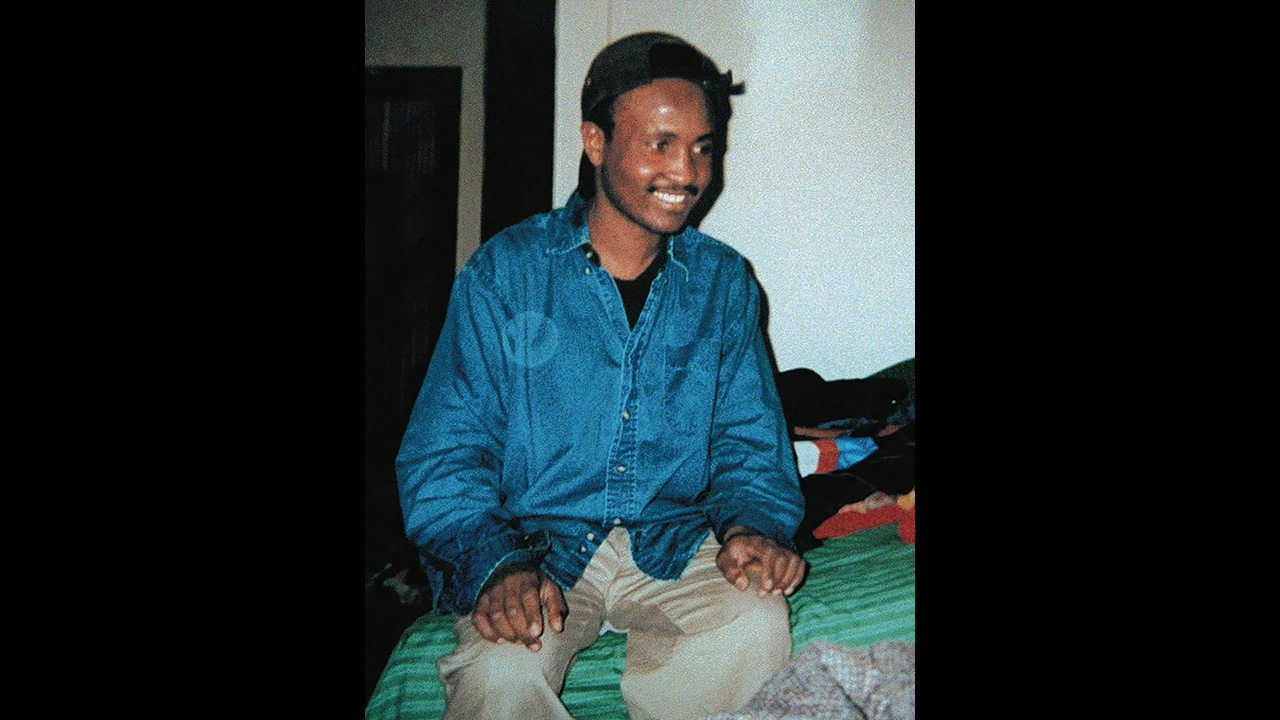
It was 25 years ago today, on February 4, 1999, that police officers in the Bronx, New York, shot a young man, killing him instantly.
That young man was Amadou Diallo, a 22-year-old who had immigrated to the United States from Guinea only two years earlier. He was a devout Muslim who neither smoked nor drank, and he routinely worked 12 hours a day, at least six days a week, as a vendor on 14th Street in Manhattan. He was typical of the many immigrants who work incredibly hard not only to survive, but also to send some of their meager earnings back to family members in the nations they left behind.
Just after midnight on February 4, 1999, as he stood in the entrance to his apartment building in the Bronx, four white officers approached him. They said later that they thought he was acting suspiciously, and that when he reached into his pocket and took out a wallet, they believed it was a gun. They opened fire with 41 shots, with 19 bullets hitting and killing Diallo.
One year later, a jury in Albany, New York – where the trial had been moved after defense attorneys argued that they could never get a “fair trial” in New York City – acquitted the officers of a variety of charges against them. But even in this police-friendly trial setting, the proceedings demonstrated some of the many problems with the police as an institution. One officer admitted on the stand that he had never considered that Diallo might have had a legitimate reason for standing in front of the building, or even that he might have lived there! All of the officers also admitted that they had never considered Diallo’s behavior from his perspective, or how he might have been unnerved when four armed white men approached him after getting out of an unmarked car! The fact that the officers hadn’t thought about these seemingly obvious considerations shows their mentality. They couldn’t even imagine why he might be there, what he might be doing, what his life was like, what he was thinking or feeling. They simply assumed he was guilty of something, and a threat.
The killing of Amadou Diallo is just one name in a painfully long list, stretching from the beginnings of U.S. history until today, of Black people killed at the hands of state violence. Because of the sheer number of these killings, many have forgotten about Diallo’s death among the names of thousands of others, killed in so many grotesque ways and for so many indefensible reasons.
Today, we remember Amadou Diallo, a young man whose life was snuffed out by the inhuman systems that govern all our lives, but particularly and most violently the lives of the poorest and most oppressed among us.