Report From Someone Trying to Roll Out Accurate Testing and Reporting at a Huge Public University
Many of us wonder why the testing is taking so long to roll out in the U.S., a presumably developed country. One reason is a lack of a centralized health records system, which could have been implemented relatively easily.
However, at this time, most clinical labs have a limited insured population that they serve, whether it be one insurance provider or many. An ‘expansion’ of any lab to take in patients from outside of those insurance groups requires a laboratory information system to test these people. This information system must be custom-built. One of its purposes is to track specimens during testing, and produce a result that can be reported to doctor and patient. It allows doctors to order tests, collect patient information in a secure manner, and provide that information to the lab. This kind of system is robustly-built, complex, and very expensive. It maintains all the data securely, and it must be accurate. In normal times, it takes 6 months to a year to validate a computer system like the one described.
If instead we had a centralized medical system, each hospital wouldn’t have its own custom system, and any additional testing site would just plug into one system. It would be simple. Right now, however, it’s a chaotic mess.
In the 1980s, the CLIA (Clinical Laboratory Improvement Act of ’88) was passed because laboratories were sending pap smear slides for cytologists to read in their private homes. They were paid by the slide. The slides were not being read thoroughly, malignancies were missed, and many women died of cervical cancer. CLIA thus put regulations into place regarding clinical testing, including staff training, lab space licensing, and personnel required per test.
With the pandemic, CLIA has waived its requirements for personnel training and licensing, and permitted licensed labs to expand their lab space. Many research labs have taken advantage of this opportunity to test under a locally licensed laboratory. But they are trying madly to create a laboratory information system all of a sudden, and they don’t have the staff:
There is a desperate shortage of clinical laboratory scientists and there has been for decades. The education program for these scientists outlined by CLIA includes a one-year internship in a hospital laboratory with multiple rotations. With hospitals mostly being for-profit institutions, and decisions made by CEOs, not medical professionals, most hospitals have closed these education programs because they cost money. This has led to a horrible shortage of clinical laboratory scientists. Clinical labs are staffed by an aging worker pool and recruit clinical laboratory scientists trained in other countries.
In a time of pandemic, it is clear that a centralized health provider, with one robust, secure computer system, able to deploy needed resources to areas most requiring them (like PPE, ventilators, and tests) is far superior to the madness of private healthcare with vast quantities of parasitic insurance companies. This is where the superiority of a socialist system is obvious.
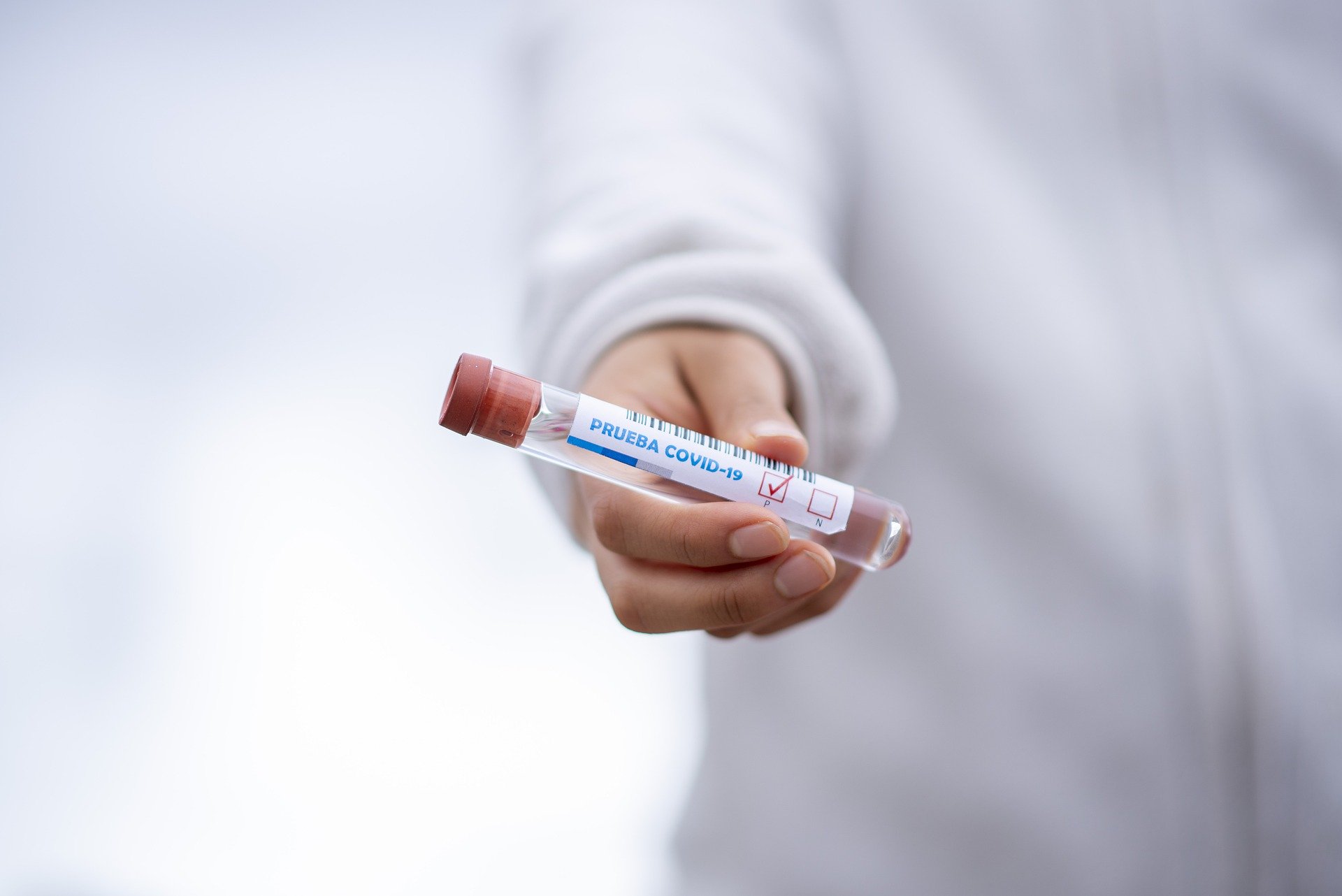
Featured image credit: Fernando Zhiminaicela / pixabay