
The Al-Aqsa Mosque in Jerusalem has seen tense standoffs and clashes between Muslim worshipers and Israeli police. On April 4, several hundred worshipers, barricaded into the mosque, afraid of a police raid, were attacked with stun grenades. Four hundred people were arrested in the aftermath.
On Saturday, April 10, another raid was expected, but called off by the Israeli police. The situation remains extremely tense.
Worshipers are right to be worried. The Al-Aqsa Mosque is the target of far-right Israelis who want it torn down, to rebuild a Jewish temple that biblical myth states once stood in that spot. In previous years, far-right demonstrators have stormed into the mosque with little to no opposition by Israeli police. The threat to the Al-Aqsa Mosque resonates around the Middle East. The attacks on Al-Aqsa are also a symbol of the oppression by Israel of the Palestinians and Israel’s aggression towards its Arab neighbors. It was an armed visit by Israeli Prime Minister Ariel Sharon to the Al-Aqsa Mosque in 2000 that touched off the Al-Aqsa Intifada, an uprising of Palestinians in the occupied territories.
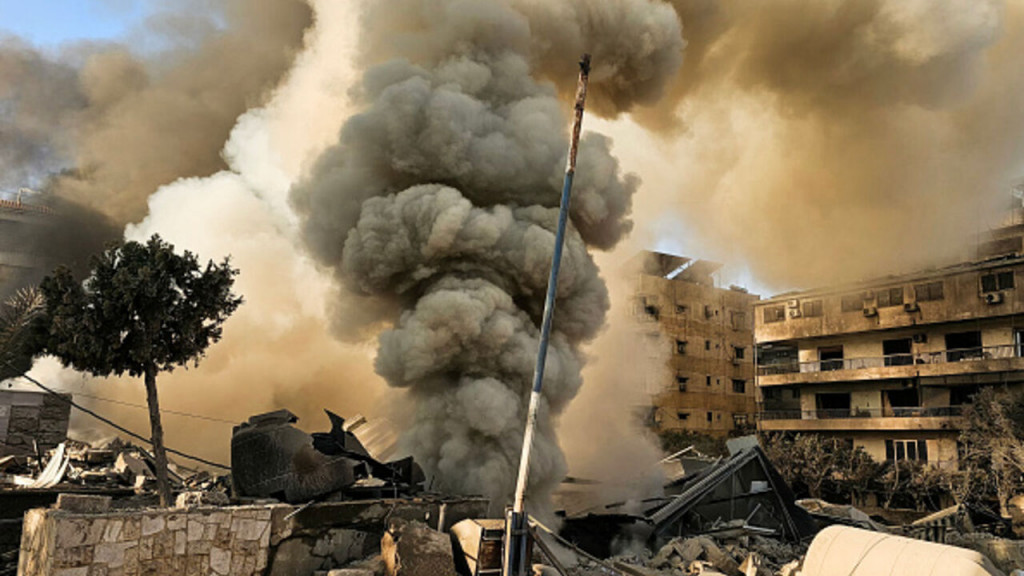
Why does Israel allow such provocations by police and far-right activists? In this moment, it may not be a coincidence that the far-right Israeli government is in political trouble. In recent months, the government, led by Prime Minister Netanyahu, has touched off huge opposition demonstrations in Israel with its attempt to restrict the actions of the Israeli courts. It is almost a rule of Israeli politics – when the government is in trouble, it starts trouble with the Palestinians. Sure enough, Palestinian refugees in the Gaza Strip and Southern Lebanon responded to the raid on Al-Aqsa with rocket attacks. The Israeli military has replied with its own attacks in both locations. The specter of violence haunts the region as people remember the Israeli invasion of Lebanon in 2006, and repeated military invasions of the Gaza Strip in 2008, 2012, 2014, and 2021.
It may be coincidence that these clashes come just weeks after Israel’s huge anti-government demonstrations, but it was always a guarantee that Israel’s far-right government would do something provocative. For example, on Monday, April 10, Israeli ministers Ben Gvir and Smotrich led a march to the illegal Israeli settlement Evyatar in the occupied West Bank, demanding their government do more to expand and legalize the illegal settlements. Conflict such as this will give the Netanyahu government the excuse to stifle and discourage dissent, and move to consolidate power. In the end, people in Israel and around the world need to learn what the Palestinians already know – the continuation of the occupation of Palestine by the genocidal Israeli state is the root cause of violence in the region.