
For the third time in less than fifteen years, the world faces increasing hunger, malnutrition, famine and starvation.
According to recent estimates, 1.6 billion people face “food insecurity.” Of those, 323 million face “acute food insecurity.” And of those, 49 million are “at famine’s door.” 400 million have become more food insecure in just the few months since Russia’s invasion of Ukraine.
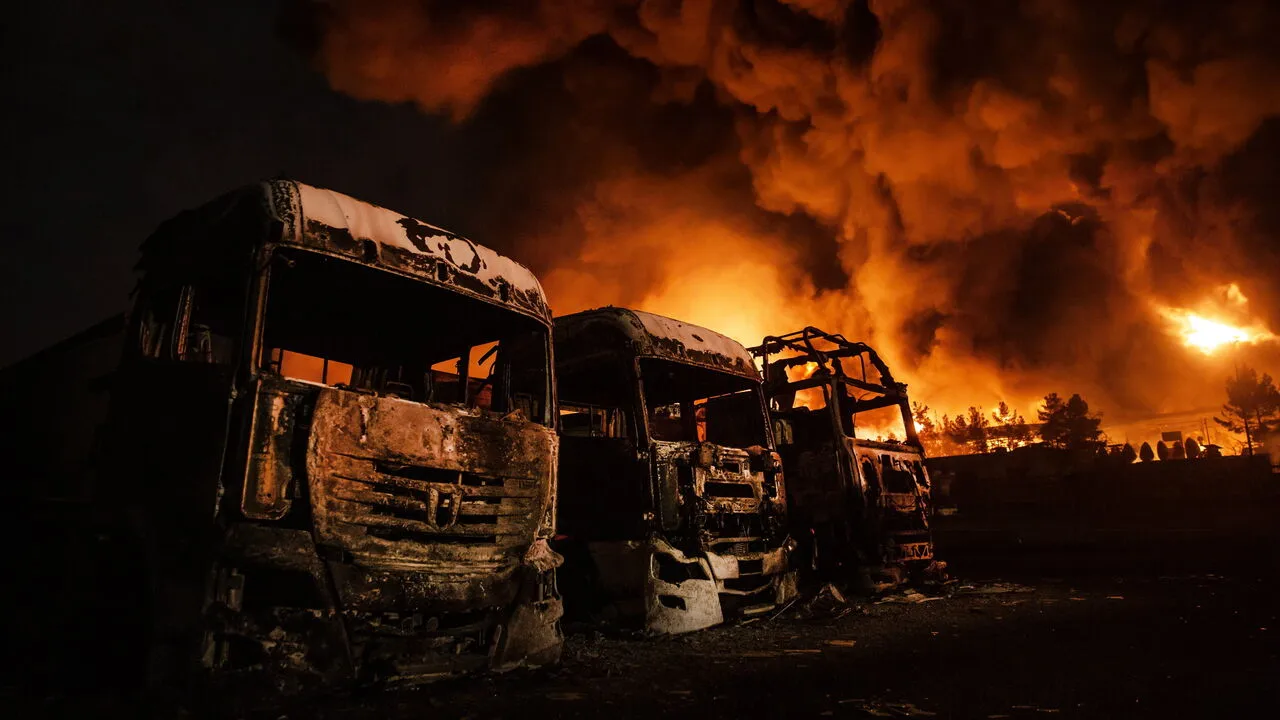
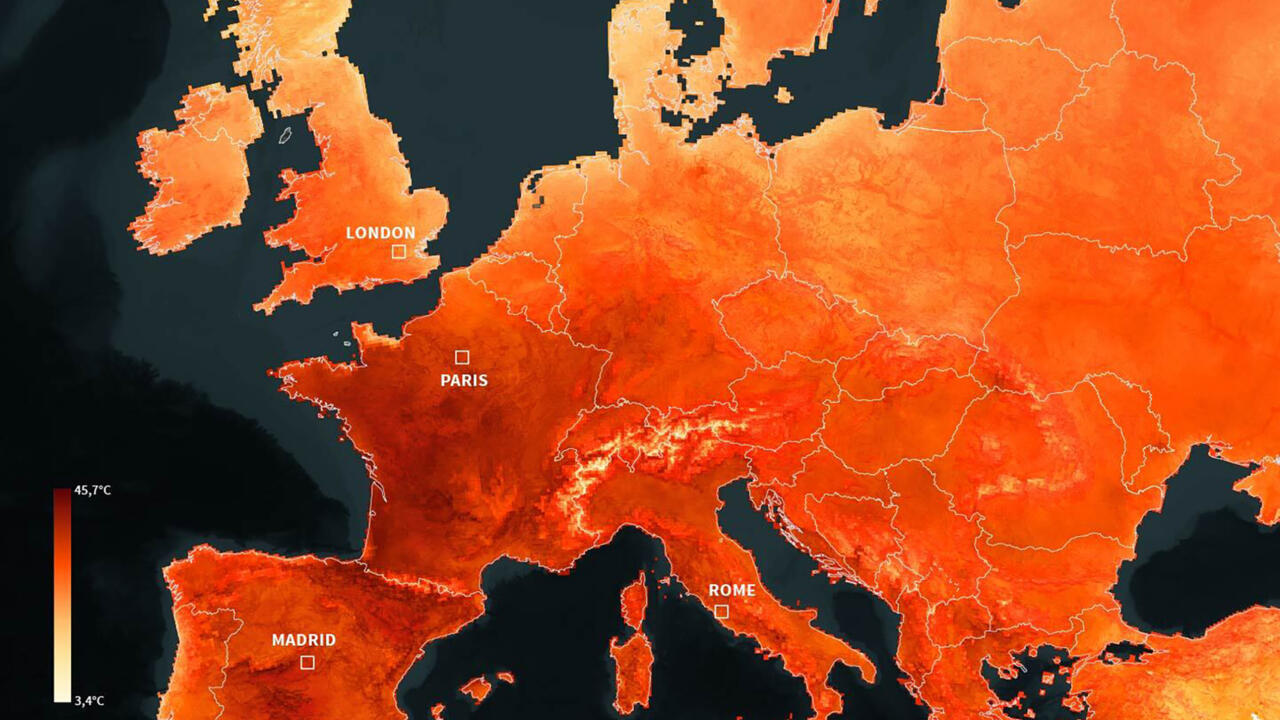
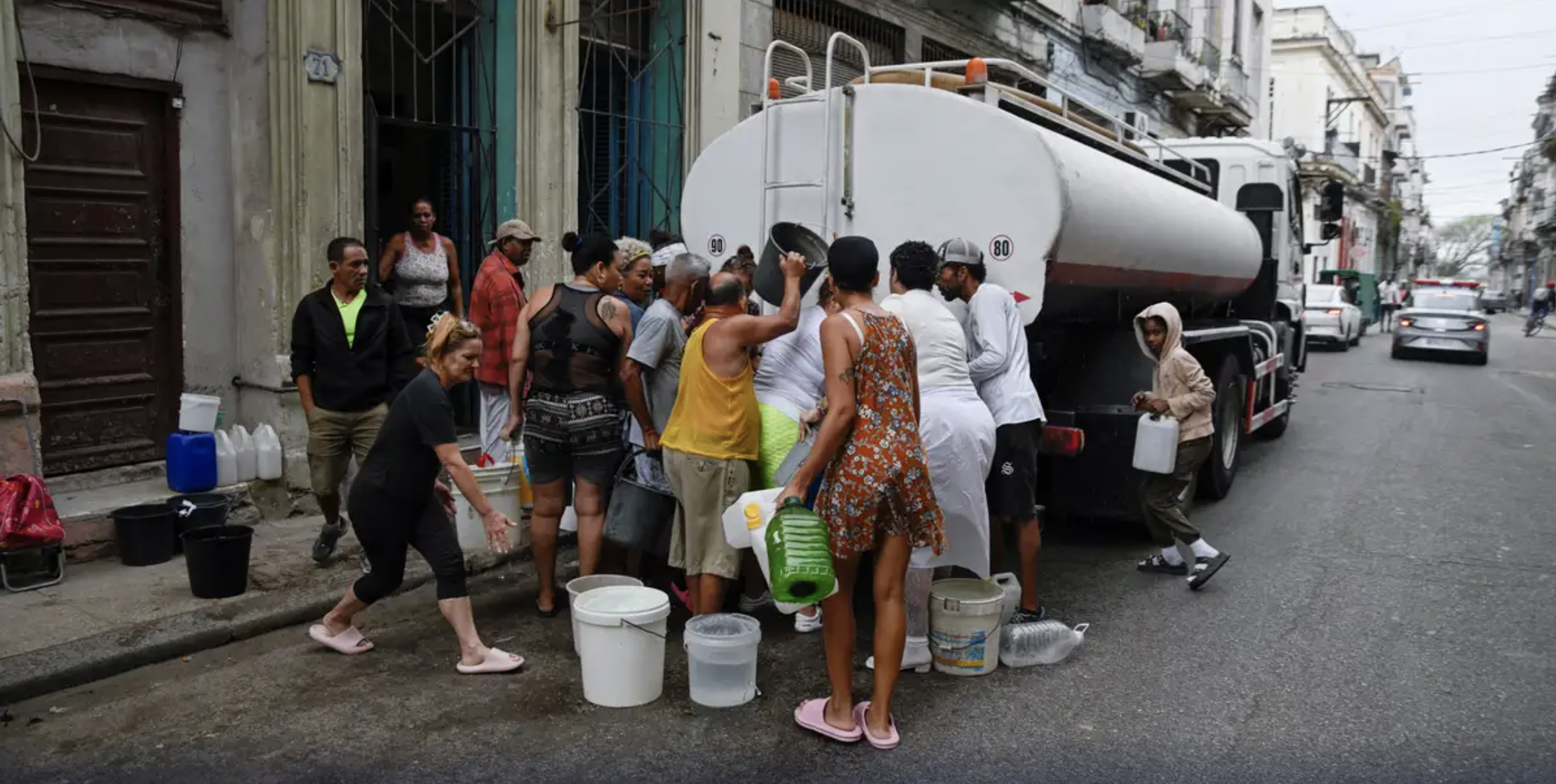
There are a number of reasons for this sudden increase in these key hunger indicators. The pandemic slowed and disrupted supply chains worldwide, creating shortages in some places and driving up food prices worldwide. Climate change is wreaking havoc on farmers’ ability to produce their normal harvests, whether because of drought, wildfire, shortened harvest windows or dwindling sources of fresh water for irrigation. Less food production and loss of fresh water leads to malnutrition and potentially famine. It causes people to migrate in desperation to neighboring regions or, in some cases, to try to take food or farmland or water sources from others.
This leads to conflict, in many cases open warfare. These snowballing effects of climate change have been a primary cause of war in Syria, Chad and South Sudan, the Horn of Africa, South and Southeast Asia. War then leads to more destruction of food, farmland, and disruption of trade, leading to further food shortages. Most recently, Russia’s invasion of Ukraine has created a massive shortfall in grain, as the invasion has severely damaged Ukraine’s output, while much of Russia’s has been taken off world markets through trade embargoes.

Racism figures into this, especially who gets hurt the most and helped the least. Whereas donors worldwide stepped up to meet the food needs of the Ukraine, nations like Yemen, Chad, and South Sudan never have even half of their appeals for food aid met! Cornell University food economist Chris Barrett put it bluntly:
Politically, we’re just indifferent to human suffering in lots of the world…unless it’s white people who are displaced in geostrategically important places like the former Yugoslavia or Ukraine…people don’t step up and support it.
But is this increasing food insecurity and hunger occurring because we don’t or can’t produce enough food? Or is it because that food is too expensive?
Obviously decreased production, shortages, and supply bottlenecks can cause prices to rise in the capitalist marketplace. And that alone is a problem that we should not accept. Food should be for human need, not for profit, so price should literally never factor into whether anyone eats or not.
But beyond that basic problem when food is treated as a commodity rather than an essential need, it is also obvious that capitalist speculators drive up the price of food to increase their rate of profit, whether or not shortages actually exist. Anthropologist Rupert Russell tells us that during the fifteen years that we’ve had three rounds of inflationary spikes in food prices, the world has actually been increasing its total production of food every single year. Yet prices have increased because of speculators, who buy huge quantities of food not for their own need, but to sell at a profit shortly after their purchase — whenever they see, or sense, or even get misleading news about potential shortages of some food item.
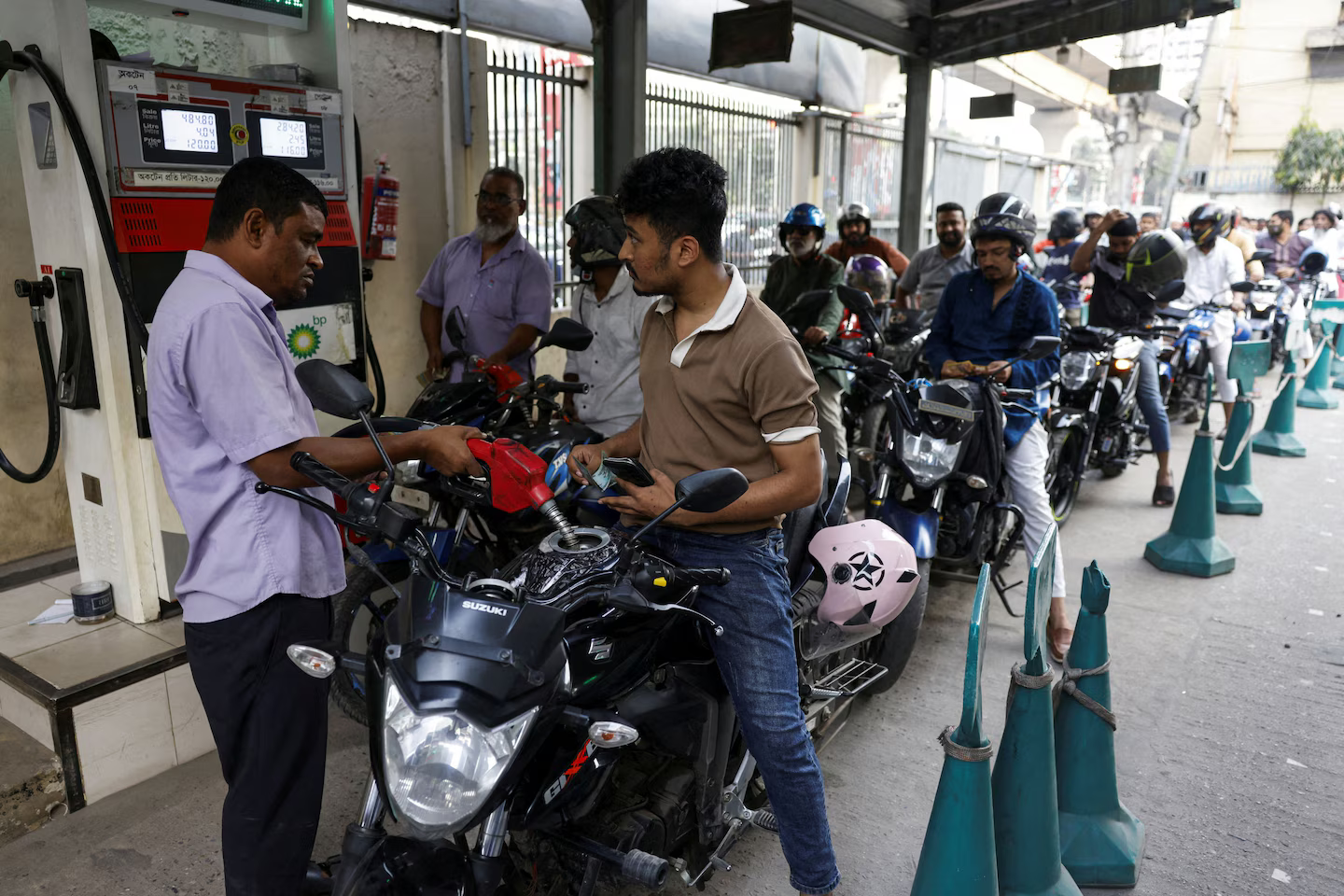
These speculative purchases then drive global food prices, affecting our wallets in the United States and Europe, and in well-heeled enclaves in less wealthy nations. But the poor of the world simply do not have the money to pay more, and therefore feel the physiological effects of hunger on their undernourished bodies.
Barrett, the Cornell economist, is worth quoting again:
Hunger problems are not really food systems problems any longer, in my view…At an obvious level, people aren’t getting enough food to eat, but that’s not because the food system isn’t functioning. Go to the most remote villages in the world and food is supplied there, commercially. Unilever, Coca-Cola: They can reach any village anywhere, pretty cost effectively. The problem is that people can’t afford it.
This is food price inflation and these are its effects when billions of the world’s people are poor — caused by the drive for profit, without the slightest concern for those who suffer.