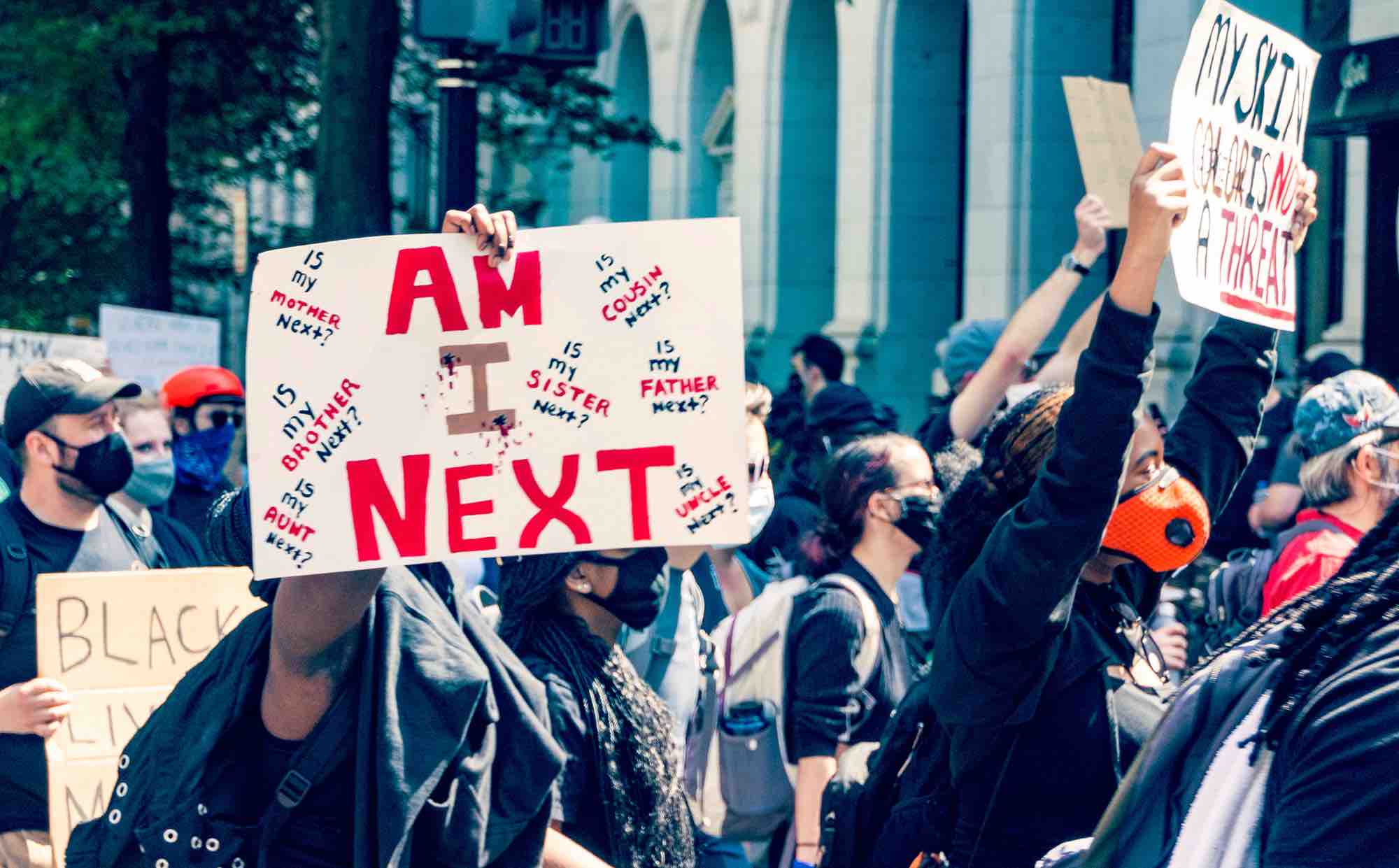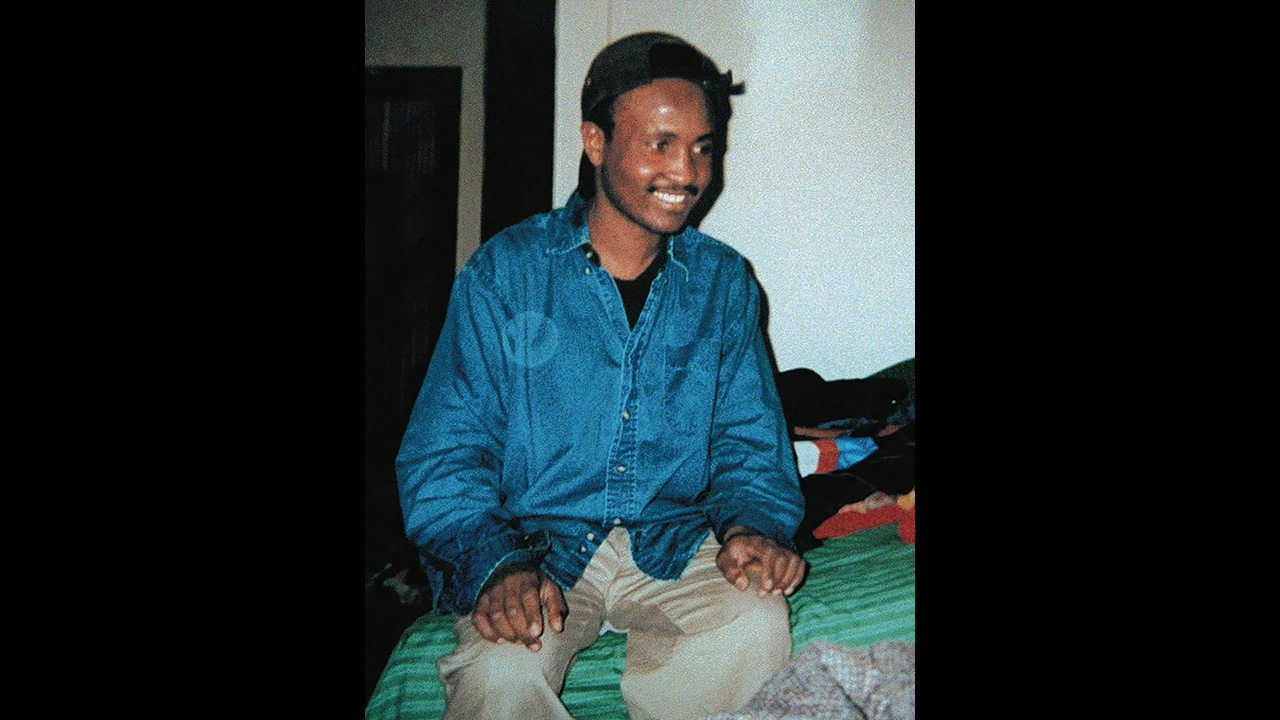
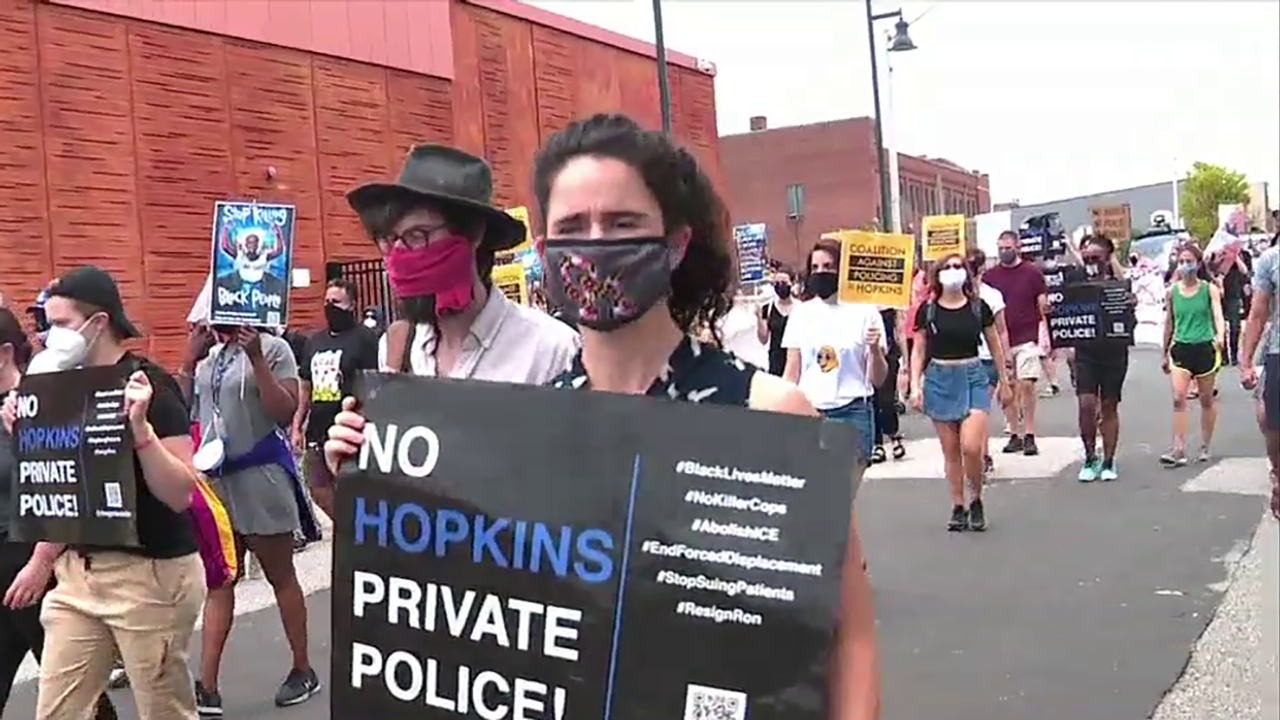
In a controversial move, Johns Hopkins University, one of Baltimore’s most elite institutions, began a push in early 2018 to privatize a campus police force, citing “a spike in citywide crime” as their motivation. With the backdrop of the 2013 murder of Tyrone West by Morgan State University and Baltimore City police officers, the 2015 murder of Freddie Gray by Baltimore City Police, the 2015 attempted murder and framing of Keith Davis Jr. by Baltimore City Police, major corruption allegations against the Baltimore City Police exposed in a 2016 U.S. Department of Justice investigation, and a nation-wide growing anger around police brutality represented by the Black Lives Matter Movement, many residents and students opposed the university’s proposal.
The proposal would allow for police officers, with full arrest powers and arms, to be hired and accountable directly to the university administration, rather than to the city government. They would have jurisdiction on three of its campuses throughout the city of Baltimore, as well as surrounding city blocks outside of each campus.
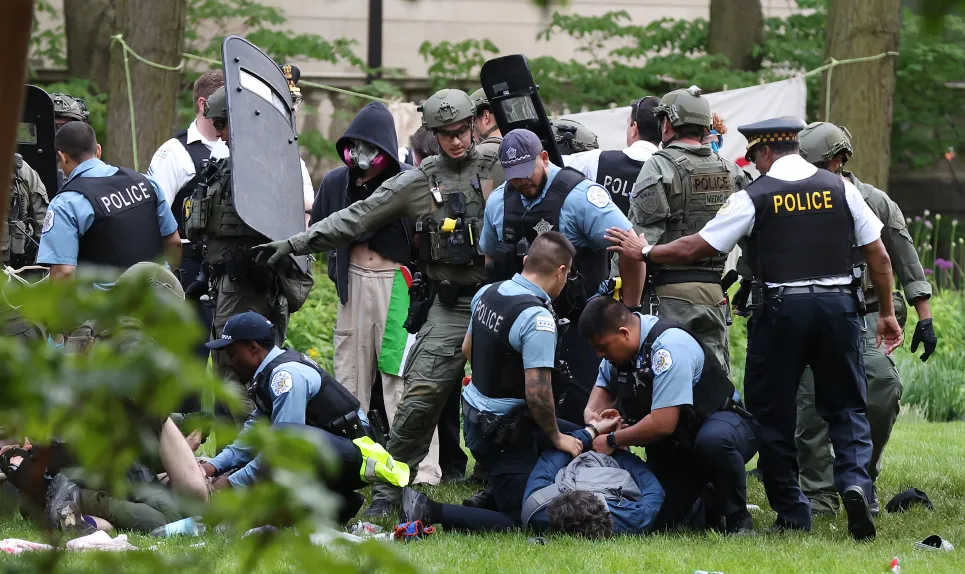
Despite popular opposition in the student government and unions representing Johns Hopkins staff, an open letter from over 100 faculty members, and at least three local community associations, the bill passed in both houses of the Maryland legislature in March of 2019. Johns Hopkins spent $581,000 on lobbying during this legislative session, a 58% increase from what it spent the previous year. As a result, students began protesting on campus, resulting in a 36-day sit-in in the main administration building on the Homewood Campus that ended with violent arrests of students.
Due to COVID and the massive groundswell of support for the Black Lives Matter movement following the murder of George Floyd, Johns Hopkins put a moratorium on the private police proposal. But now, the Johns Hopkins Police Department is being implemented.
Students and residents of Baltimore have good reasons to be concerned. The incidents of police brutality leading up to and following the implementation of this police force are not isolated and are tied to the role that police play in our society. Police forces were created first to prevent slave revolts in the southern U.S. states, and to protect the private property of wealthy business owners and bankers in the north. At an institution like Johns Hopkins, their role will continue to be to protect the image, property, and safety of wealthy students and their families who will endow the school and powerful corporations who invest in Johns Hopkins for medical and military research. Meanwhile, the very existence of the police will terrorize the poor and majority Black residents of the city with threats of violence and racist profiling. Already, many community members do not trust Hopkins due to their history of exploiting and oppressing Black and poor people. This police force will only further deteriorate those relationships.
A private police force will not make students or residents safer. The most common violent crimes on college campuses, sexual harassment and assault, will not be investigated by the private police force as specified in their agreement with the city. Those will still be investigated by the Baltimore Police Department. Crimes committed by the university, such as wage theft and poor working conditions, will certainly not be investigated by the new force.
When students began expressing their moral opposition to the U.S.-backed genocide in Gaza that began last school year, the administration and security treated its own students as the enemy to be punished and stopped. Had the private police force been implemented already, they would have acted quickly to silence student voices through arrests and violence, if they deemed it necessary, rather than to protect students’ right to free speech.
The role of the university administration and their new police force is just a model of what goes on in society at large. The administration is meant to keep order by all means necessary and train students to participate in a capitalist society. In fact, Johns Hopkins receives more money in military funding to its Applied Physics Laboratory than it receives in tuition and related fees. It is a major contributor to the military and weapons industries. Privatizing a police force gives them more control with less accountability. We should all remember and take inspiration from the students and residents who protested these measures in the past. If we are sufficiently organized, they cannot get away with it!