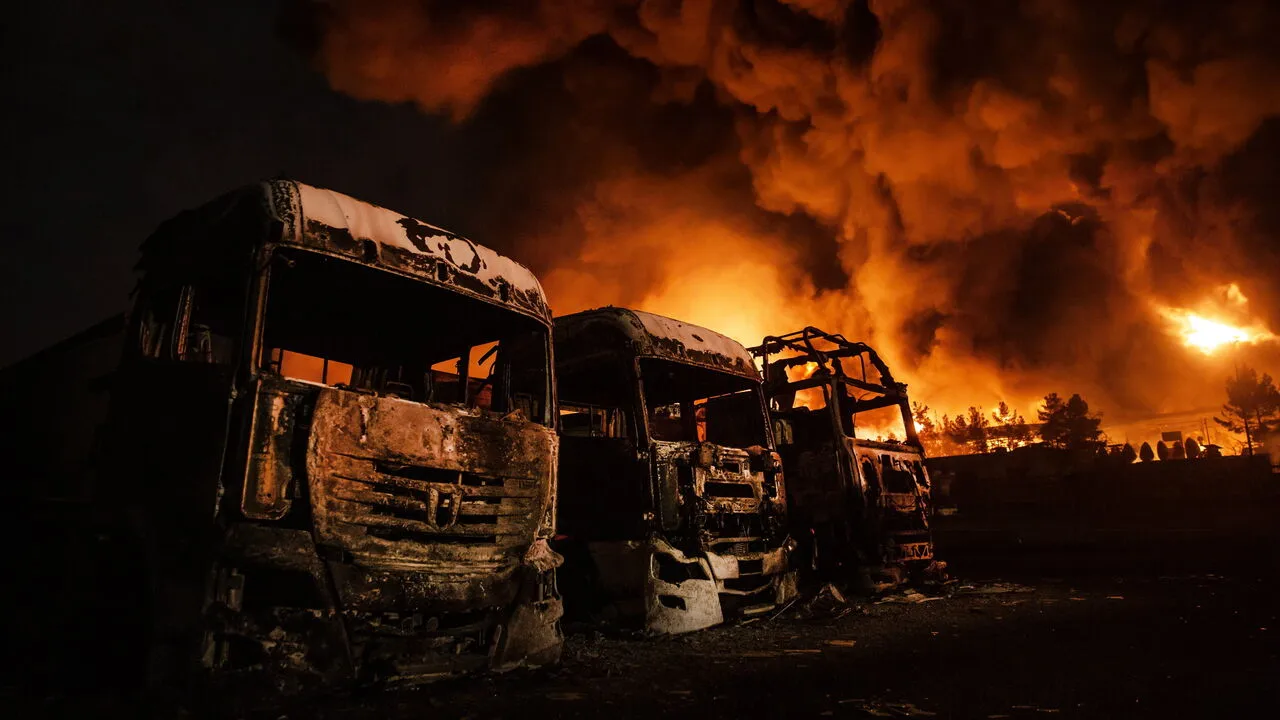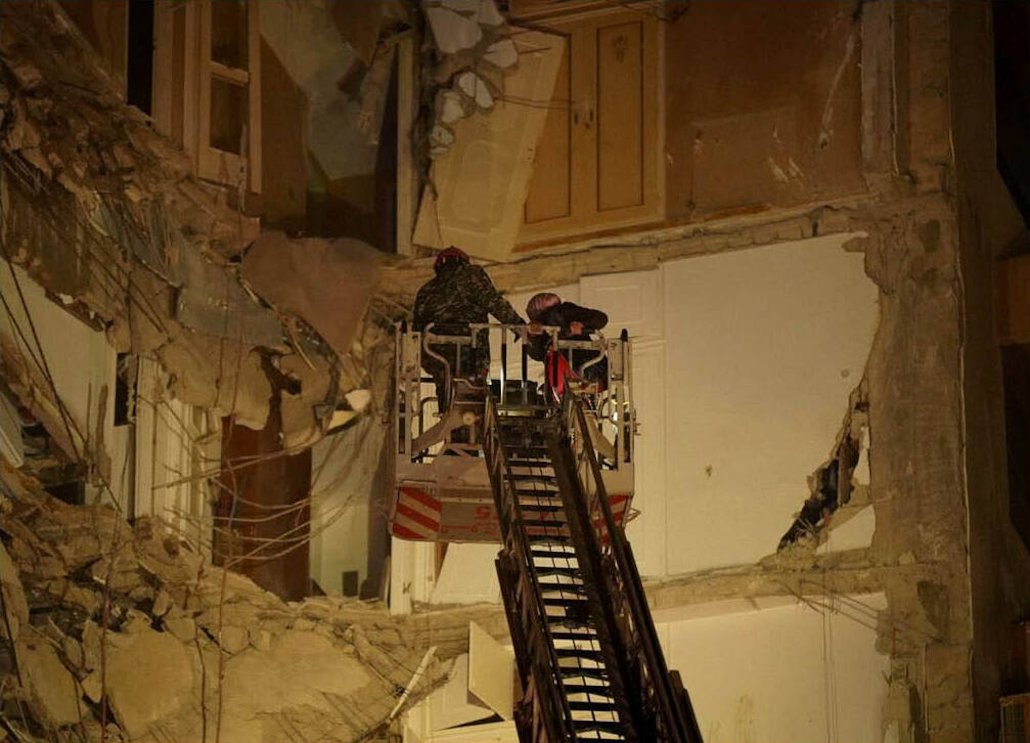

Ten years ago, in March 2003, the U.S. government launched an invasion and occupation of Iraq. The last ten years have meant the devastation of Iraq and its population. The infrastructure from water to sanitation to health care has been destroyed. The population is now divided along religious and ethnic lines and ruled over by parties who use these identities as a means of control. And the death toll has reached more than three million Iraqis. This March marked the ten-year anniversary of the war, and even though it has officially come to an end, the impact of the war still remains in the daily chaos and devastation that is life in Iraq today.
Divide and Conquer
Before the U.S. invasion, life in Iraq was brutal but the population was not as divided as today. When the U.S. Invaded Iraq, it overthrew the regime of Saddam Hussein and disbanded the military. The U.S. claimed the invasion was to bring democracy to Iraq but the U.S. hand-picked the new rulers of the country and they remain in power today despite the supposed democratic elections that have taken place. The U.S. government chose the most extreme elements of Iraqi society to build a new regime around. They placed Shi’a Islamic religious political parties in power while arming and funding the Sunni tribal leaders and supporting autonomy for the Kurdish people in the north. These ethnic and religious divisions have led to catastrophic bloodshed to the point of civil war. Ethnic and religious militias organized by the ruling parties have killed thousands. In 2006-2007 an average of 3,000 people were killed in paramilitary violence per month. The government itself executes from twelve to twenty prisoners per day as of 2012.
The Wounds of War
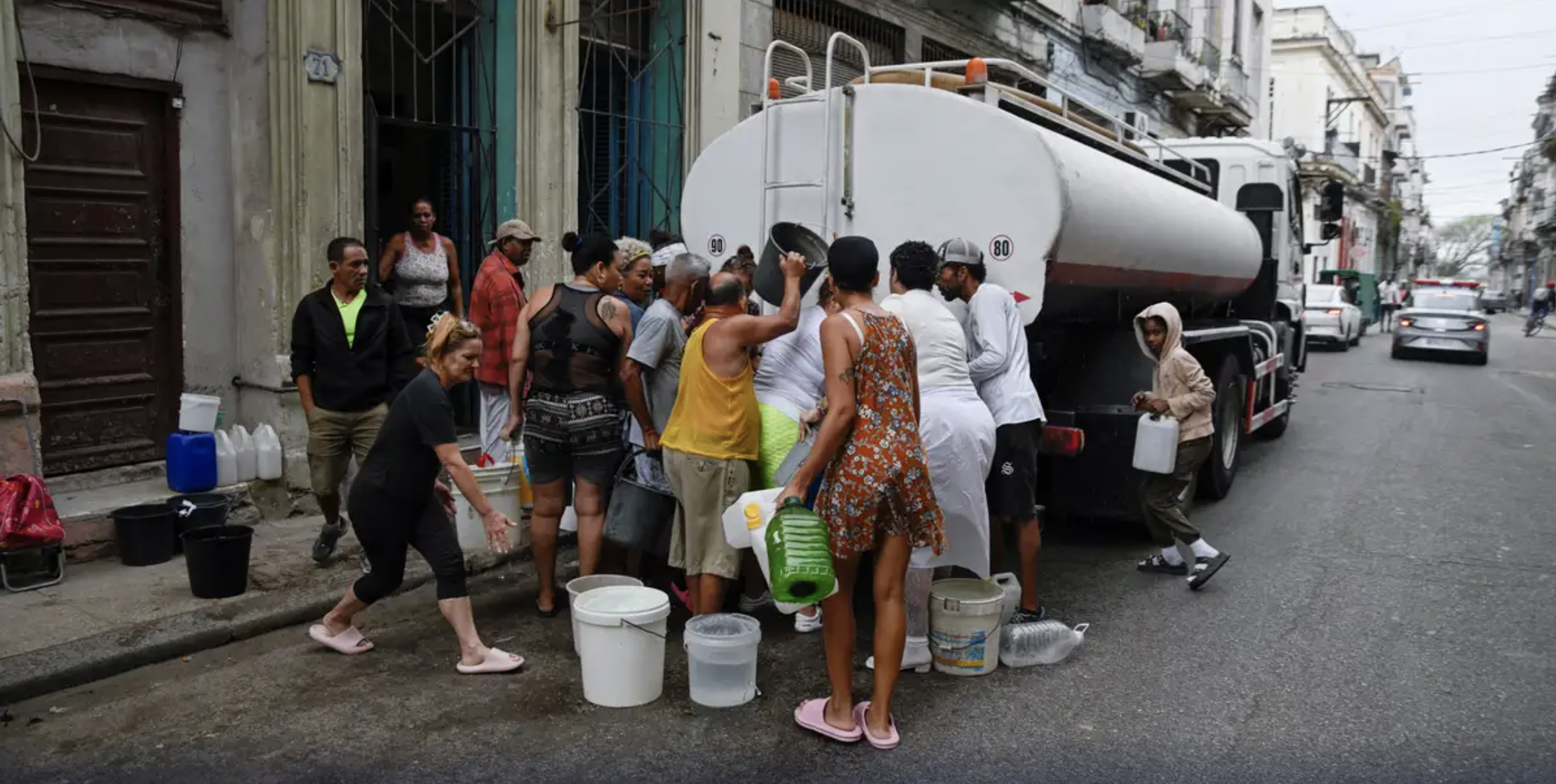
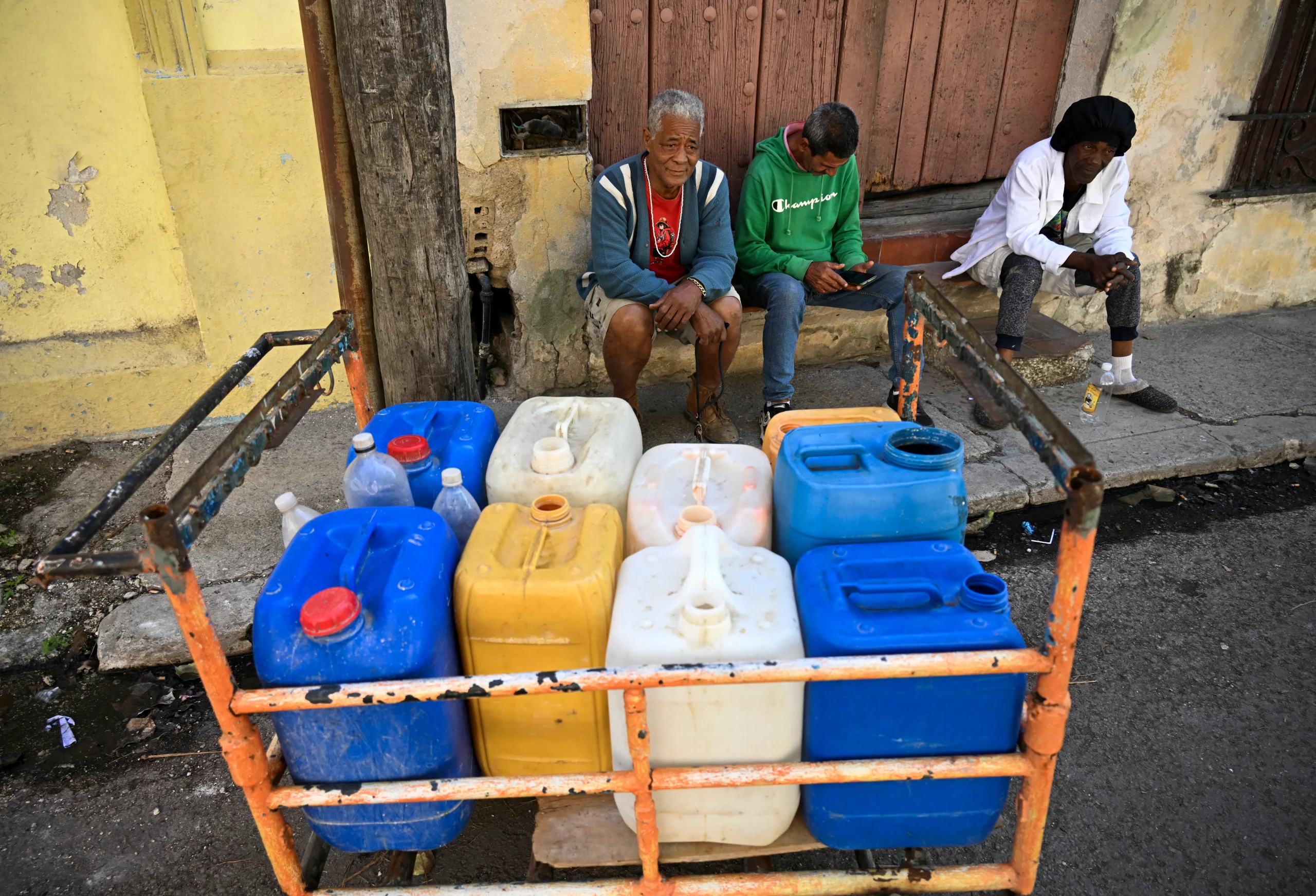
The war in Iraq has destroyed the infrastructure and the economy. Nearly one quarter of Iraqis are unemployed. Today over 40 percent of Iraqis are living below the poverty line. One in five Iraqis do not have access to safe and clean drinking water. Most Iraqi households only receive four to six hours of electricity per day.
During the war, the U.S. military used weapons containing a radioactive element called depleted uranium. The rate of cancer and birth defects in Iraq has skyrocketed with 50 times as many Iraqis diagnosed with cancer than in 1991.
Every year thousands of Iraqis flee their homes. According to estimates, there are 1.1 million Iraqis who have left their homes and are now refugees within their own country. Another two million Iraqis have fled the country altogether.
The Prize of Oil
What was the purpose of this devastation? Certainly not to benefit the Iraqi people. Many features of Iraq today are as bad or even worse than under Saddam Hussein. However there is one major difference. Today, the major oil companies BP, Chevron, ExxonMobil and Total, all have contracts to develop new oil fields in Iraq. The war has cost an estimated one trillion dollars in U.S. taxpayer money, much of which was turned into profit by corporations such as former Vice President Dick Cheney’s Haliburton. The real winners in this war are the big oil corporations and the military contractors profiting from this death and destruction.
A War That is Far From Over
The war in Iraq has officially ended, and the U.S. Military is not officially engaged in occupation. But the U.S. remains a presence with a massive embassy in Baghdad and multiple bases throughout the country. This supposed diplomatic presence is supported by an army of 5,000 private security personnel and 15,000 employees. The devastating consequences of ten years of war and occupation will continue for decades to come. The war may be over officially but for Iraqis, the war continues every day.