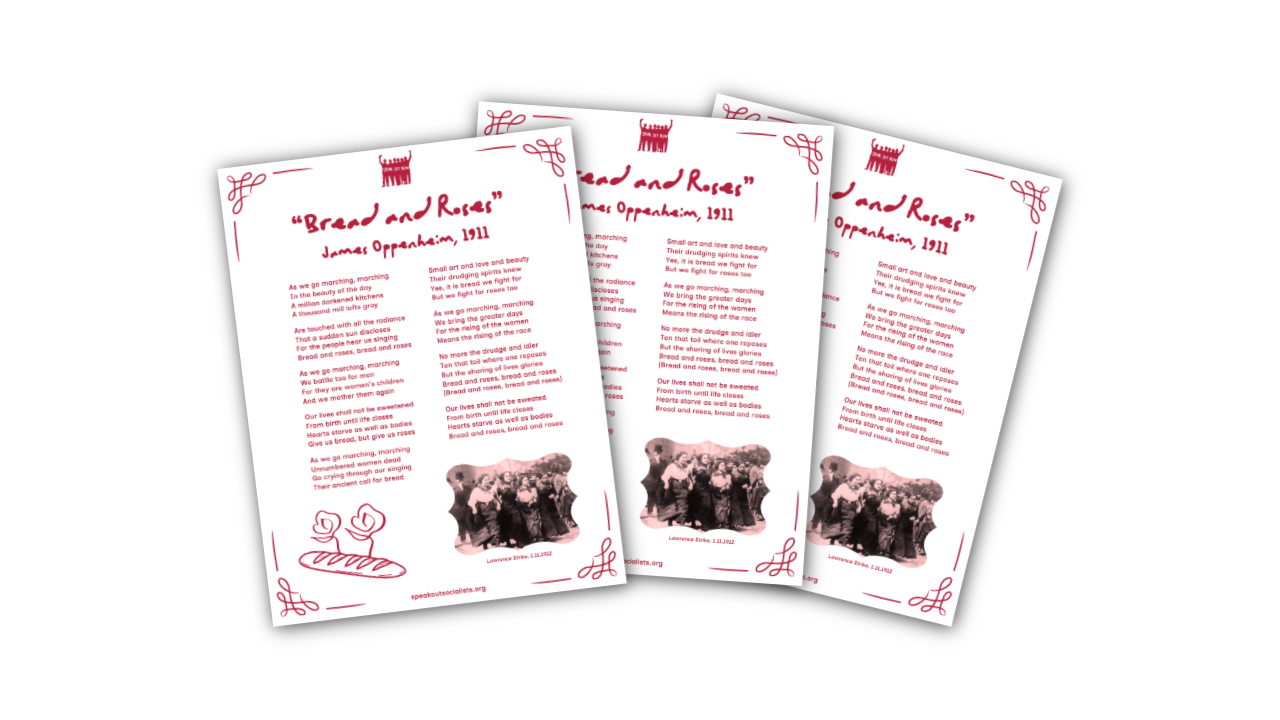
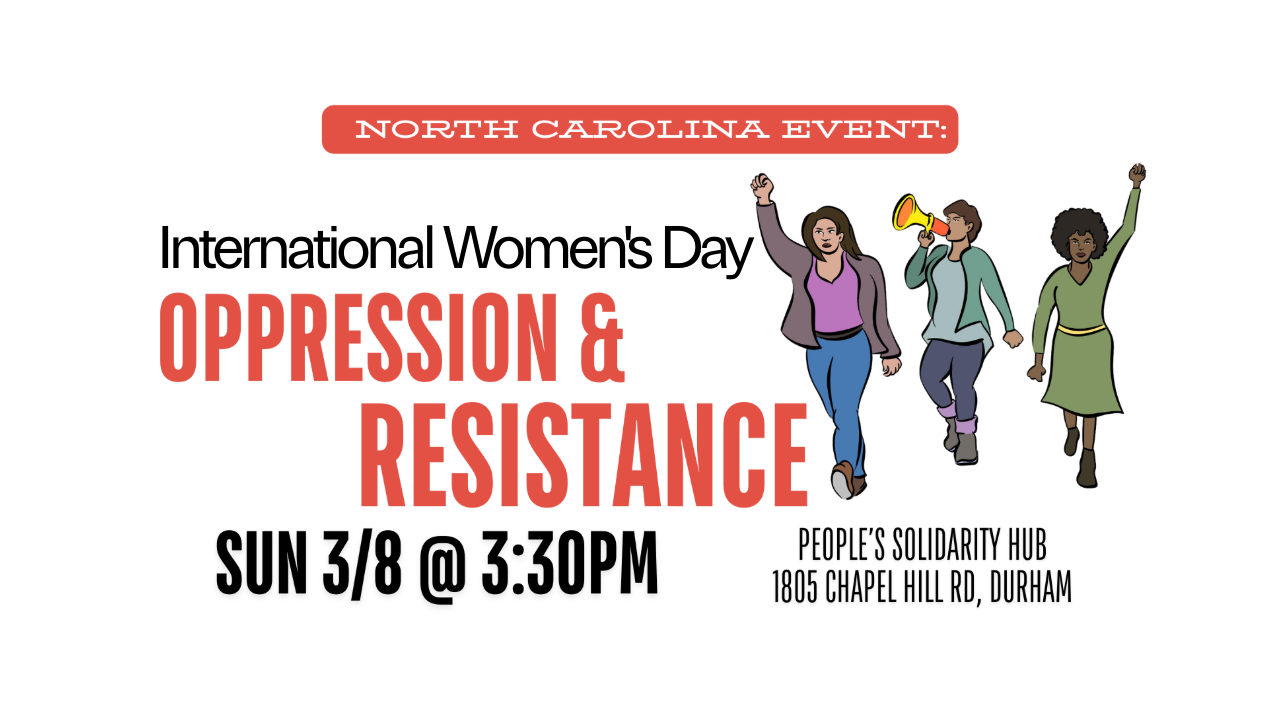
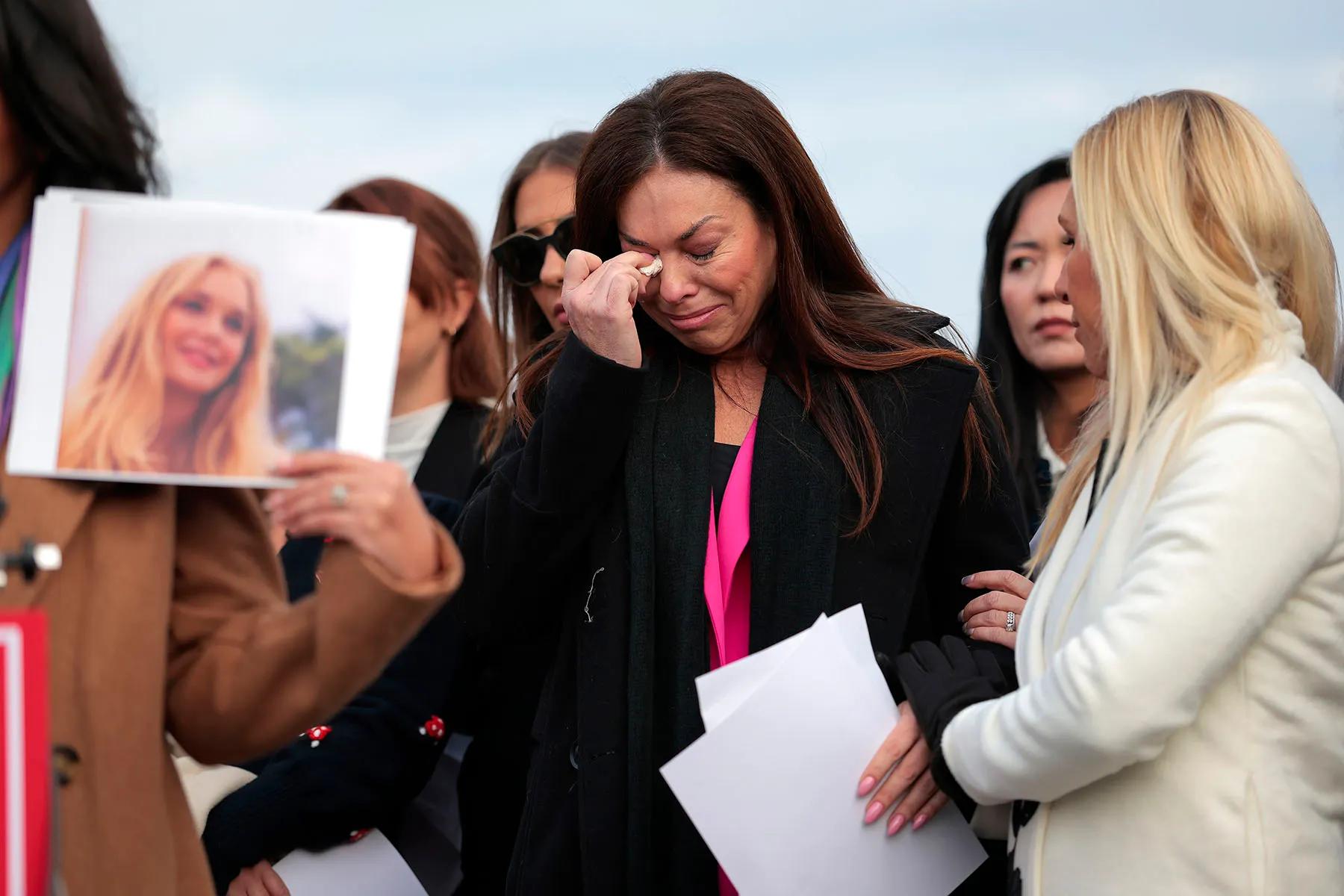
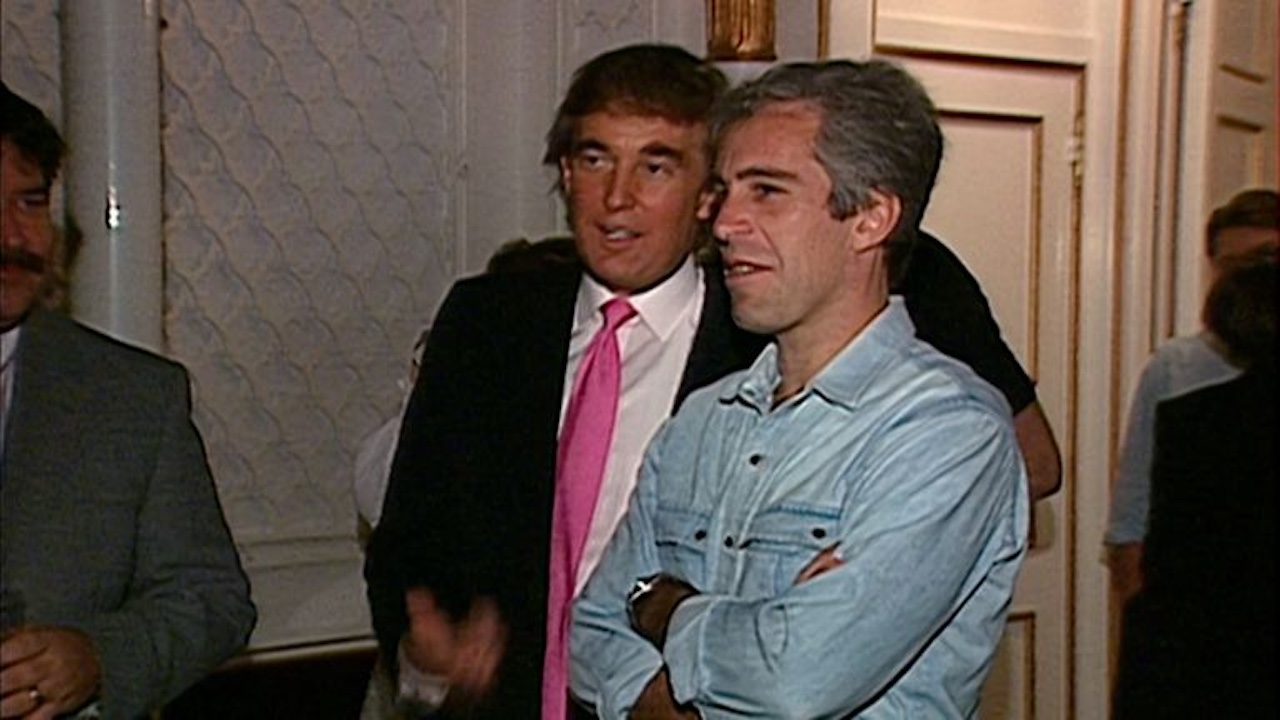
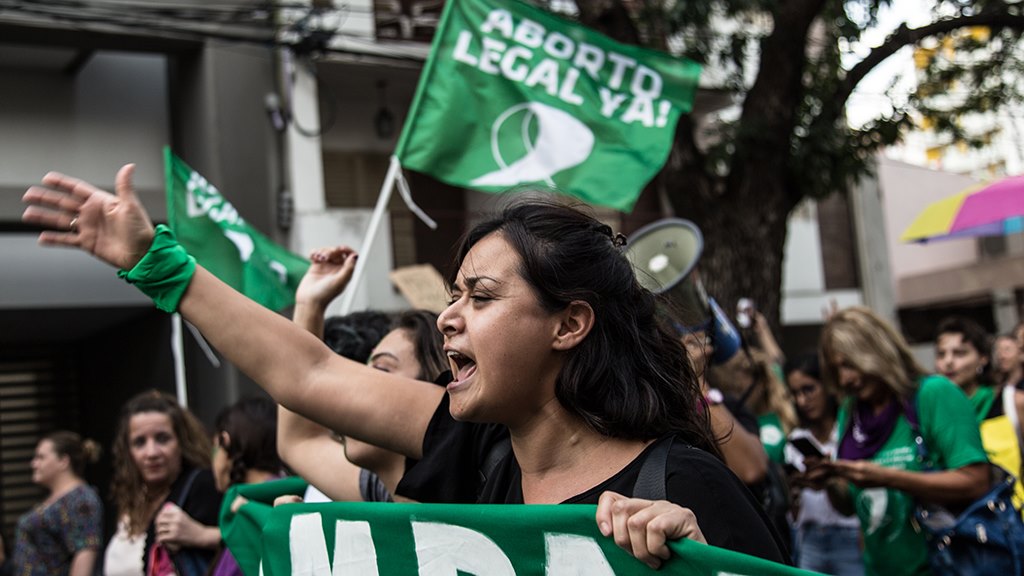
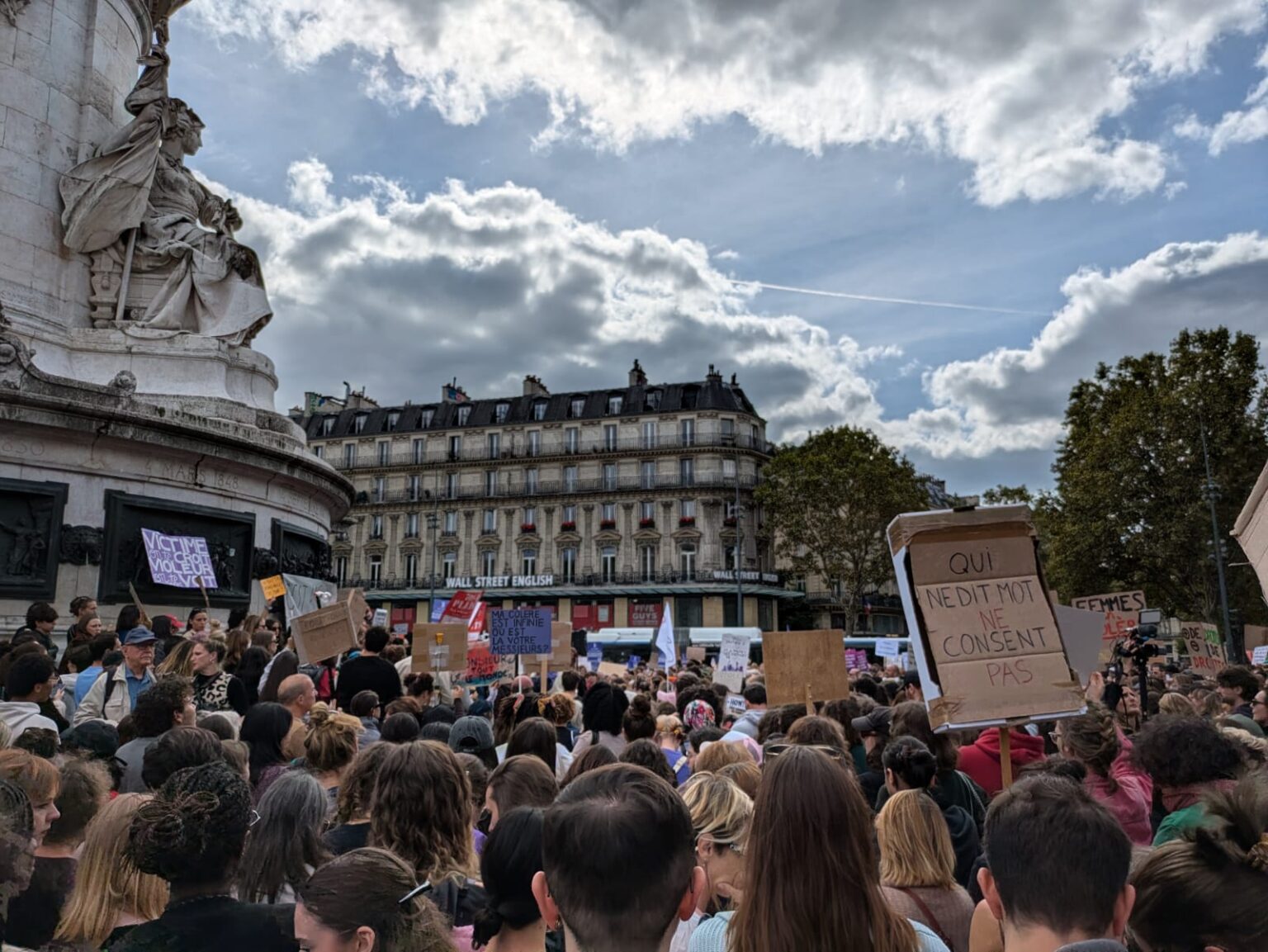
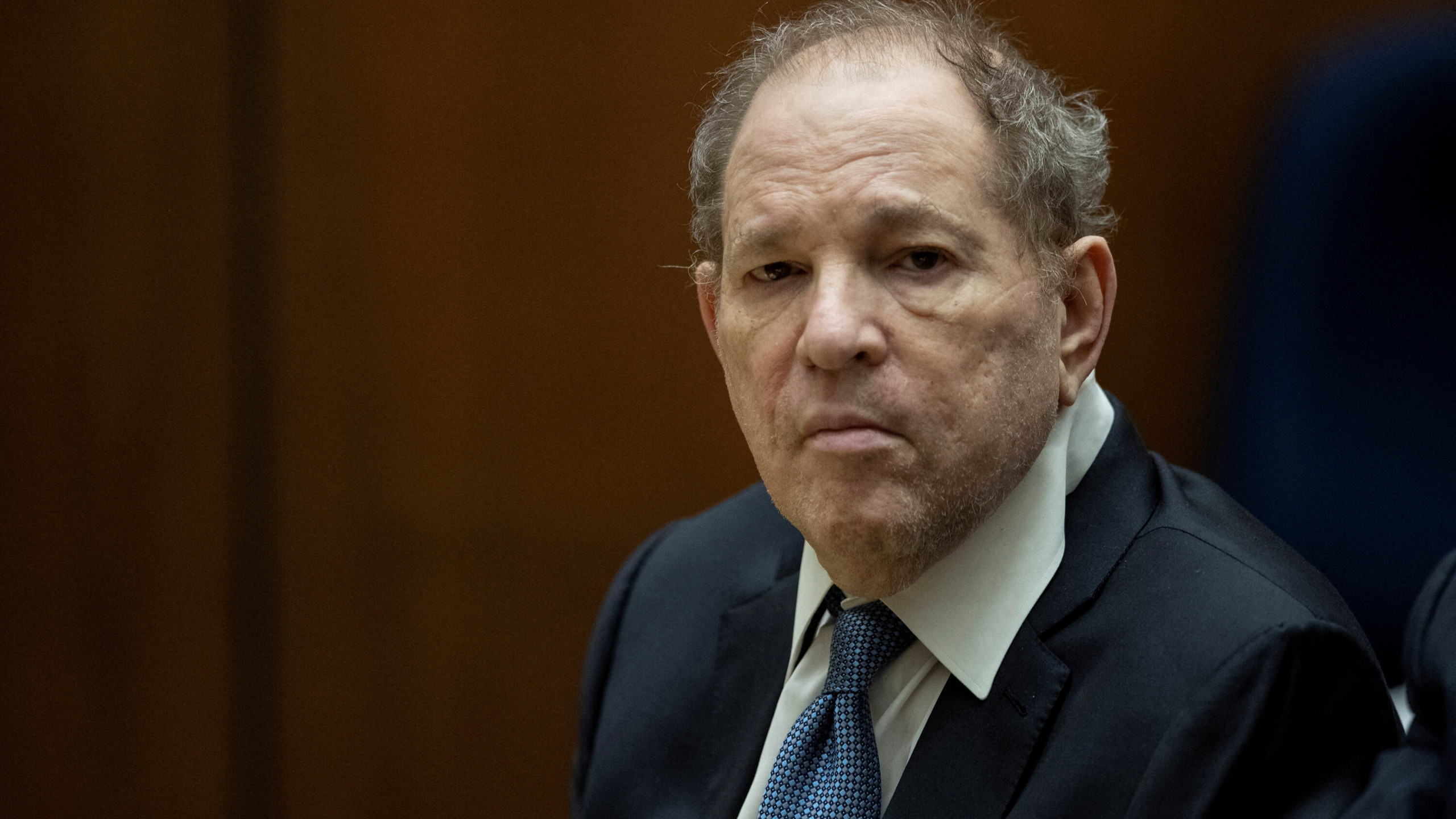
International Women’s Day, March 8th, was created over a 100 years ago through the demonstrations for women’s equality, particularly by the organized struggle of working women against their exploitation and oppression. Women have fought and won many battles since. But the struggle continues. Today, the Harvey Weinstein trial on sexual assault charges once again shows that women still have to fight for equality and respect. His conviction was possible only because dozens of women found the courage to step forward publicly, in turn inspiring millions of others to use the Twitter hashtag #metoo and other means to describe their own experiences of sexual harassment and assault.
The outcome of this case is worth celebrating in relation to International Women’s Day. For once the ugly truth about sexual harassment and assault, especially notorious in Hollywood, wasn’t swept under the rug. In fact, however, the struggle against sexual harassment has been building for some time. Other bosses, for example in the tech industry, have been called out over similar scandals, including Uber’s CEO, who was forced to resign. Hotel workers in both California and New York are demanding protection against predatory hotel guests. Women are saying #timesup for sexual harassment on the job.
100 years ago women won the right to vote, and it’s been 60 years since laws were passed supposedly protecting women from discrimination. Nevertheless, women still face day to day harassment and risk their jobs if they dare to protest. Women earn on average about 81% of the pay of men with the same qualifications. The fact that women are still compelled to struggle on the job and at home for respect and equality shows that these legal victories don’t mean much by themselves. What counts is the willingness to organize and fight back. And that’s true not only for women but for all of us.
Discrimination against women helps keep working people divided, especially since some men think they have the right to lord it over women co-workers. As long as we accept this, our bosses can more easily exploit both men and women to enrich themselves. The fight of women for equality is a challenge to the whole oppressive and exploitative capitalist system and the fight won’t be victorious until we do away with the capitalist system as a whole.