Haiti is on the brink of complete social collapse, engulfed in a mass crisis of escalating gang violence, brought on by economic and political instability after decades of foreign intervention.
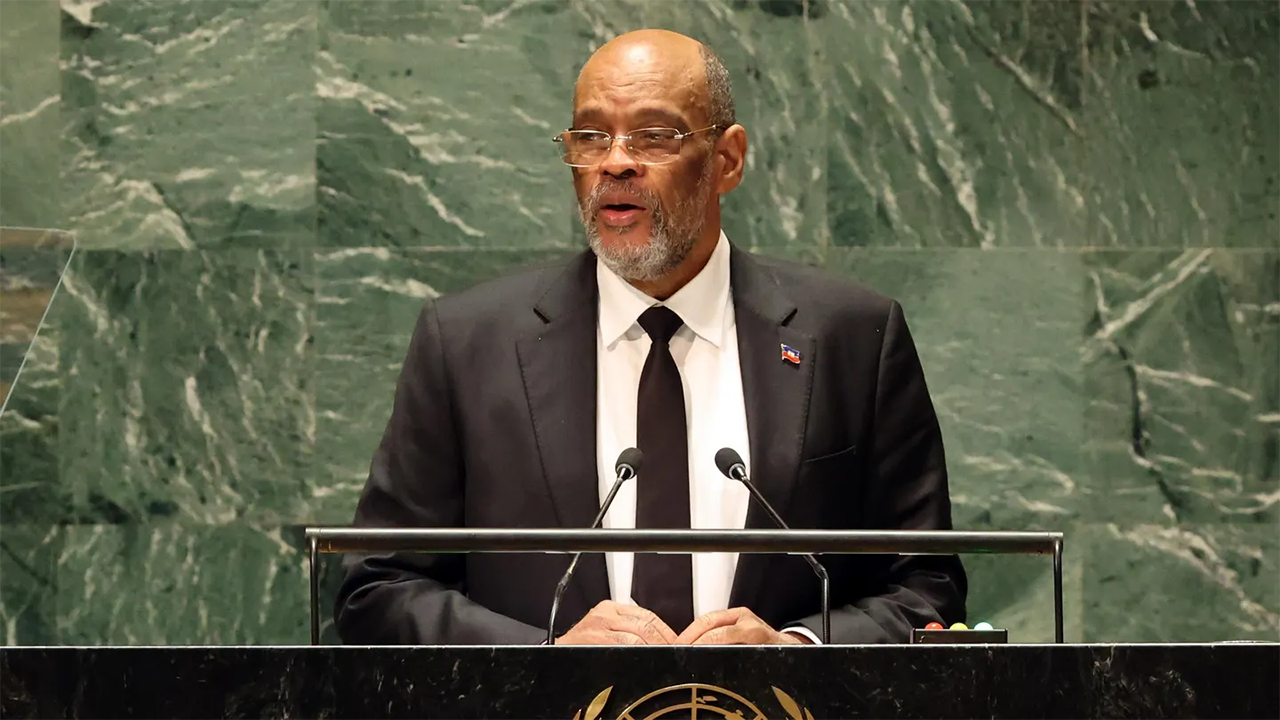
The Prime Minister of Haiti, Ariel Henry, announced on March 12 that he will resign, after weeks of increasing instability and mounting attacks on the government and society by armed gangs.
The gang violence that has wracked the country for months has escalated in recent weeks, with the gangs openly declaring their intention to overthrow the Prime Minister. While Henry was recently in Kenya, working on an agreement to send 1,000 Kenyan police officers to help the Haitian police put down the gangs, an organization of several gangs, calling itself “Viv Ansanm” (which translates to “Living Together”) carried out coordinated attacks.
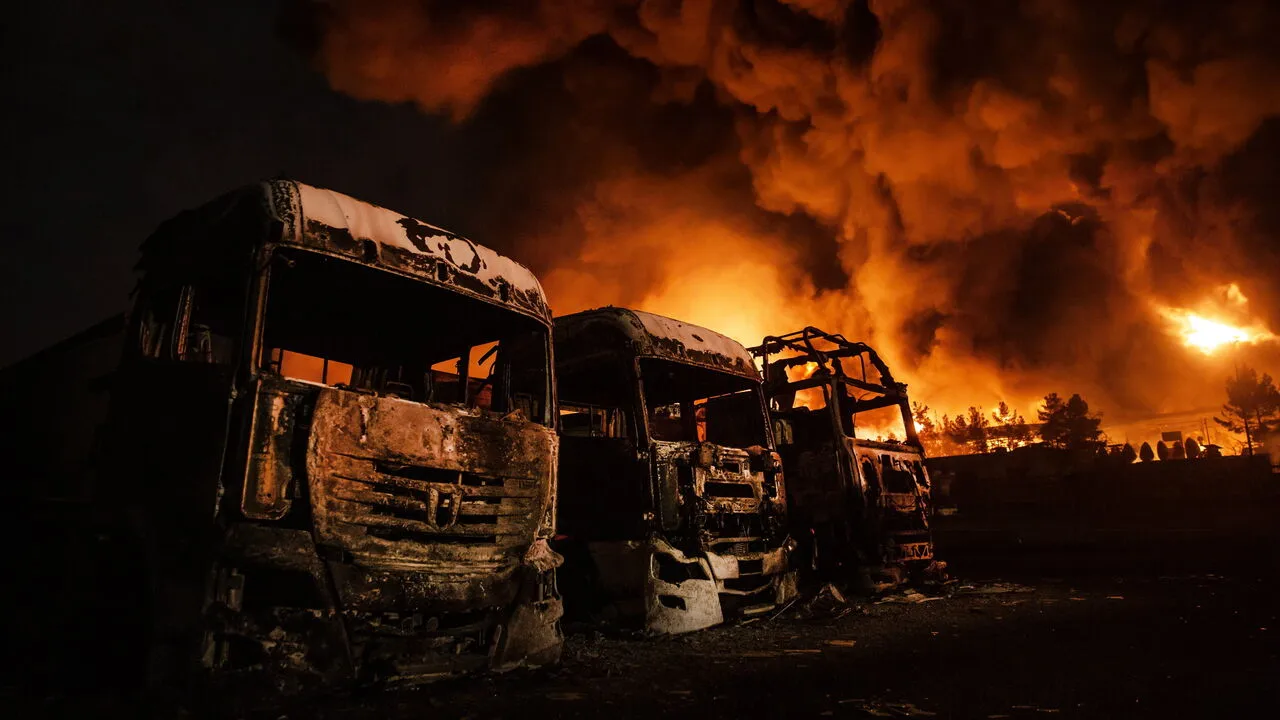
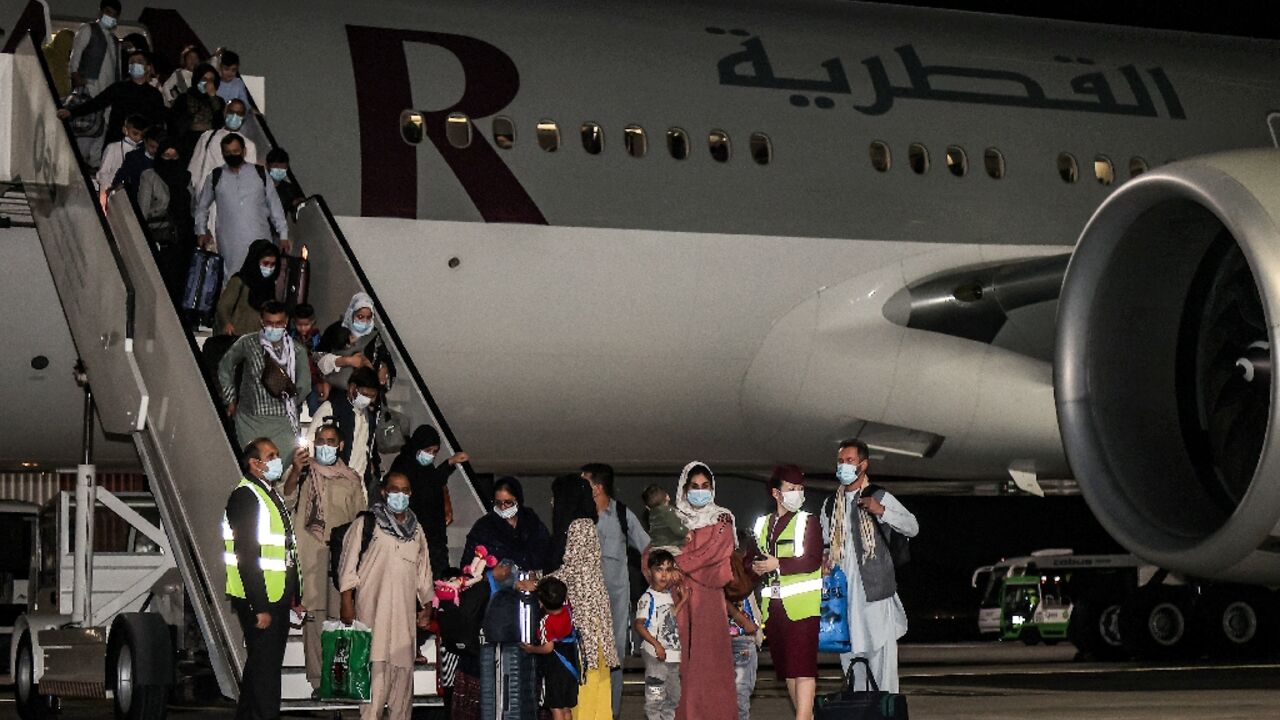
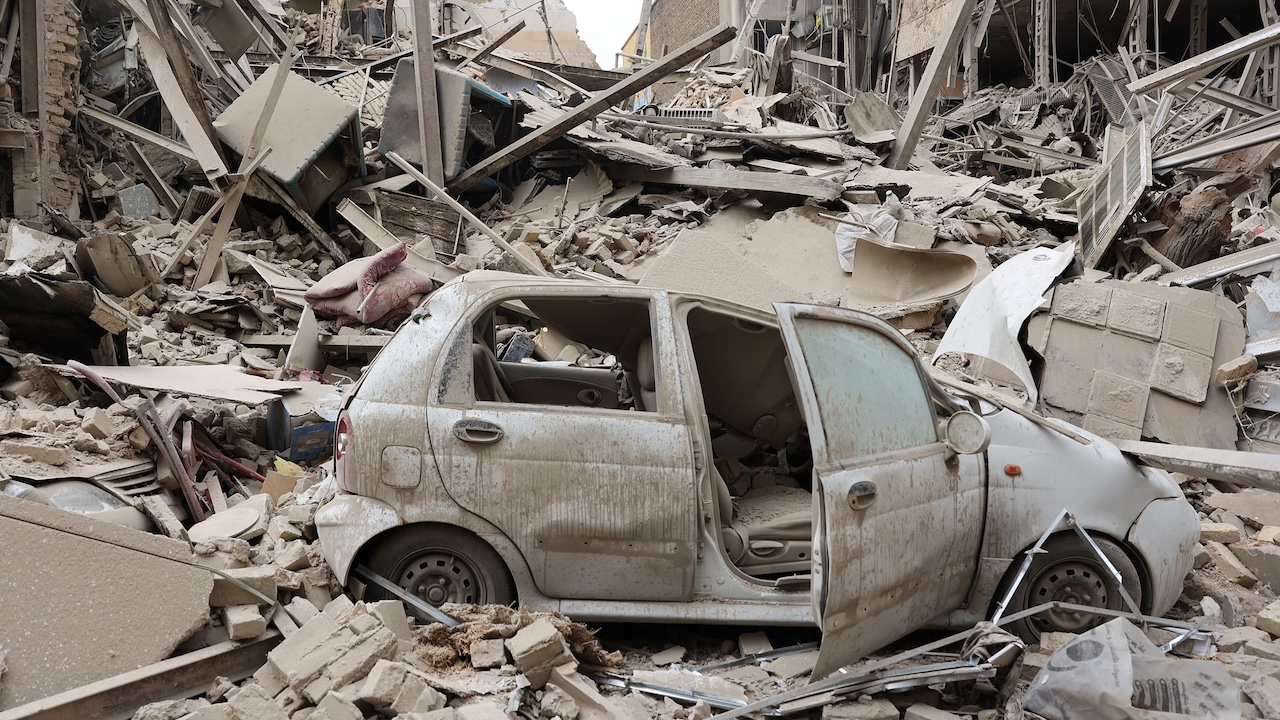
Many police stations were raided and set on fire, as prisoners were released, including many prominent gang leaders. The main international airport was occupied, and all flights have been cancelled for days. Neighborhoods have been sites of shootouts between the police and gangs, with dozens of innocent people and police officers killed. Ordinary Haitians have had to scramble to avoid getting caught in the crossfire, frequently abandoning their homes and separating from their families.
A leader of the gangs, Jimmy Chérizier, known as “Barbecue,” openly claimed responsibility for the attacks, and made a statement declaring that the intention of the gangs is to “obtain the departure of Ariel Henry.”
Meanwhile, Henry is stuck in Puerto Rico, unable to return to Haiti, and was even denied access by the President of the Dominican Republic, the country bordering Haiti.
Henry announced his resignation in a video address on March 12, saying, “My government will leave immediately after the inauguration of the council. We will be a caretaker government until they name a prime minister and a new cabinet.”
The council Henry is referring to is being set up by The Caribbean Community and Common Market (CARICOM), which has been meeting in Jamaica. CARICOM is composed of various political and economic leaders of all the Caribbean countries. But also attending the meeting, and setting the agenda, were the representatives of France, Canada and, of course, the U.S. – the main imperialist power that has ravaged Haiti’s economy for decades through occupation, repression, and continued political and military intervention.
This political and social crisis did not come out of nowhere. For decades, the wealth and resources of Haiti has been plundered by imperialist countries, primarily the United States. Agriculture is produced for export. Industrial economic zones provide cheap labor for big corporations. And the working class of Haiti remains among the poorest in the Western Hemisphere, with the largest population among the Caribbean countries.
Haitian politicians have no interest in standing up to the power of U.S. imperialism, knowing they’d likely face ouster or assassination if they even tried. In this setting, most Haitian politicians succumb to corruption, skimming off whatever public funds remain. And the emergence of powerful street gangs has only made a horrible situation worse for the poor and working class of Haiti.
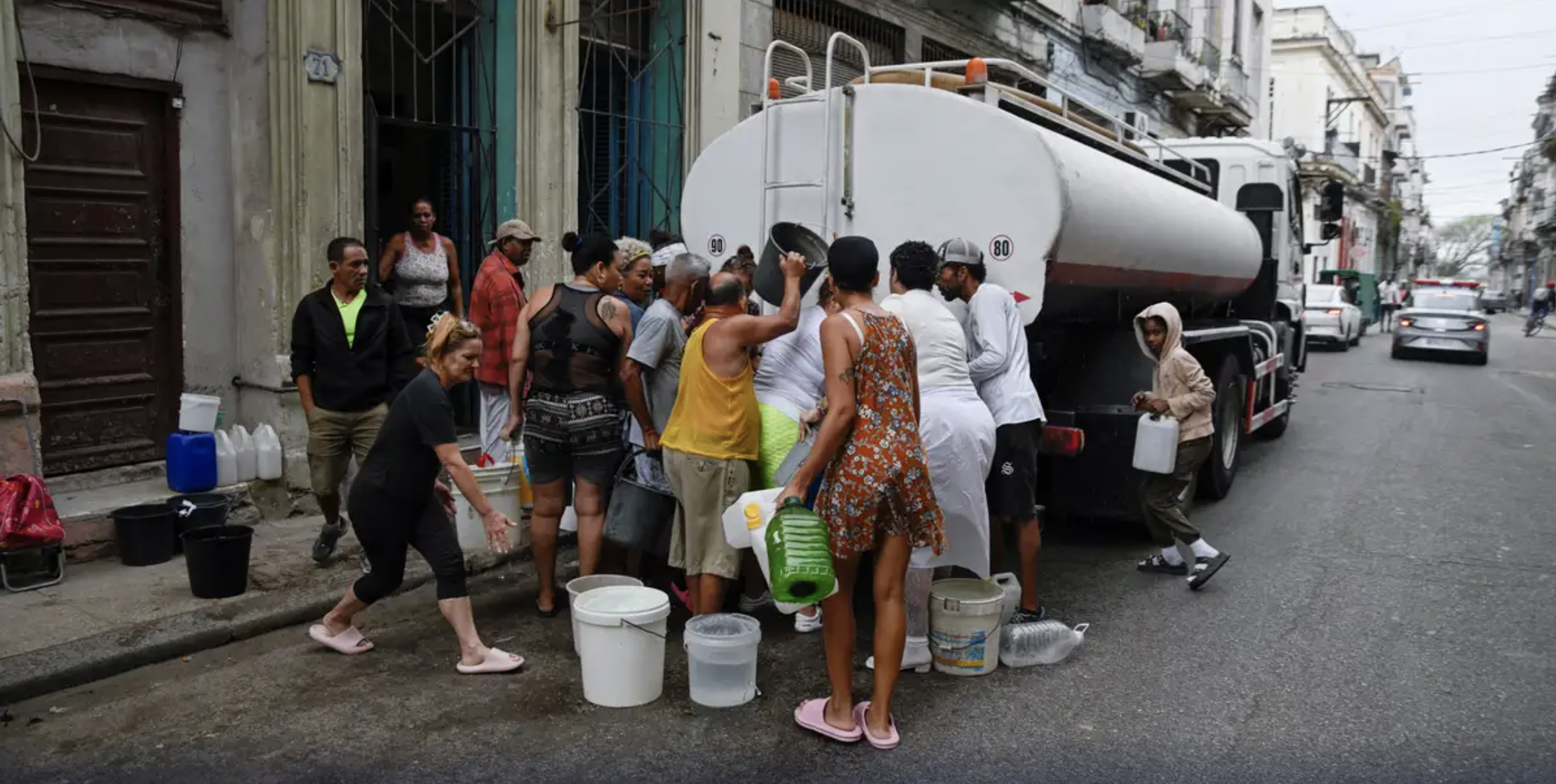
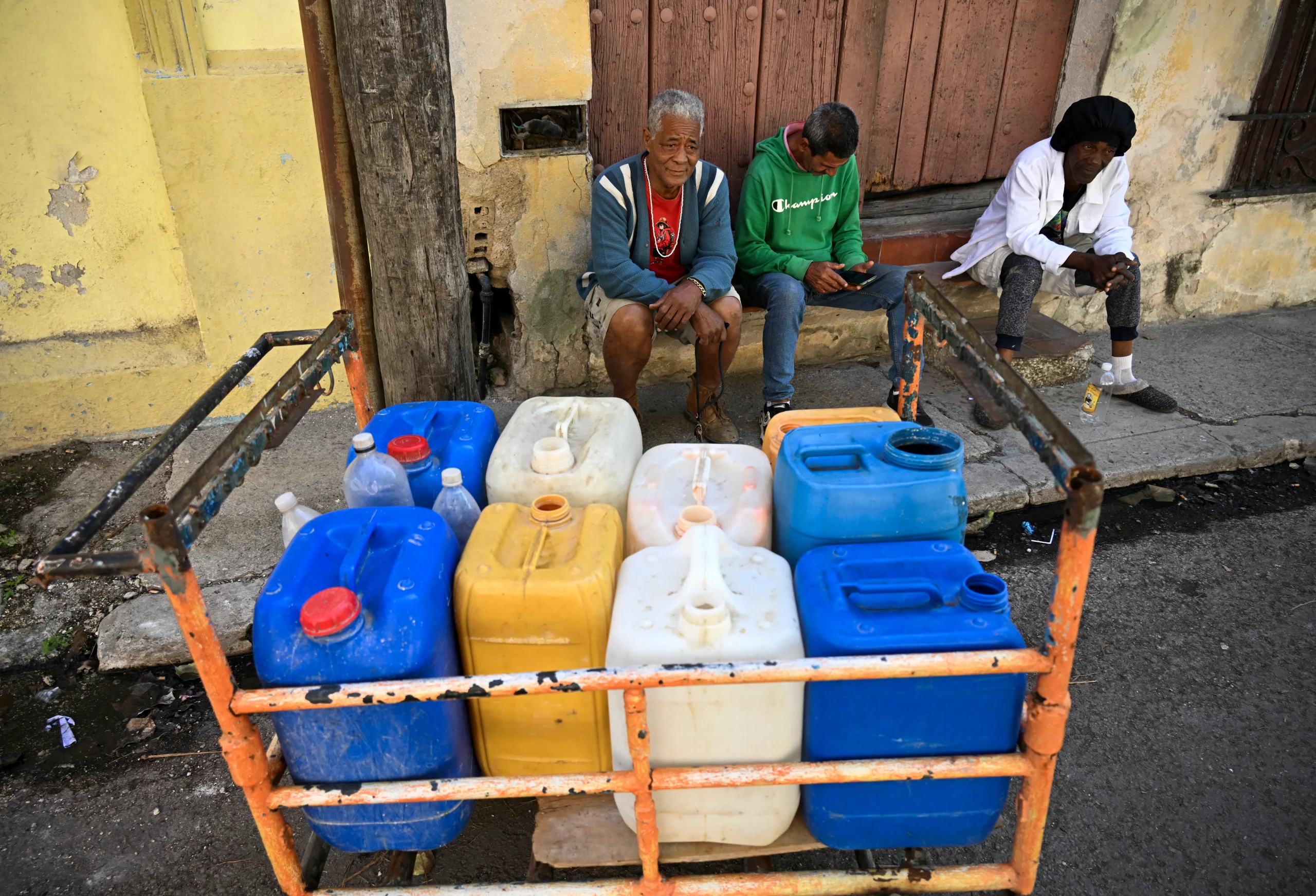
As the gangs freely roam the streets and control larger areas, much of ordinary life in Haiti has completely shut down. The gangs terrorize society, with frequent kidnappings, murders, and rapes. Stores and entire neighborhoods, and even hospitals have been frequently looted and burned down. Most local markets have completely shut down. Water supplies have been cut off to most neighborhoods. Entire industrial zones have shut down, and none of the workers can go to work to bring home whatever meager funds they were receiving just to survive. Masses of people suffer from hunger and thirst, and many are fleeing the country in fear for their lives.
There is a power vacuum and the U.S. and Caribbean countries are scrambling on how to fill it. Will the U.S. send troops to intervene militarily? Will the gangs be disbanded? Will some drawn-out process of elections lead to a new corrupt regime? At this point, none of this is clear. What is clear is that the working class has nothing to gain from either outcome. For the poor and working class of Haiti, the only way out of this horrific situation would be to mobilize their forces together. Only then can they stand up to the gangs and the corrupt politicians who serve the interests of U.S. imperialism.