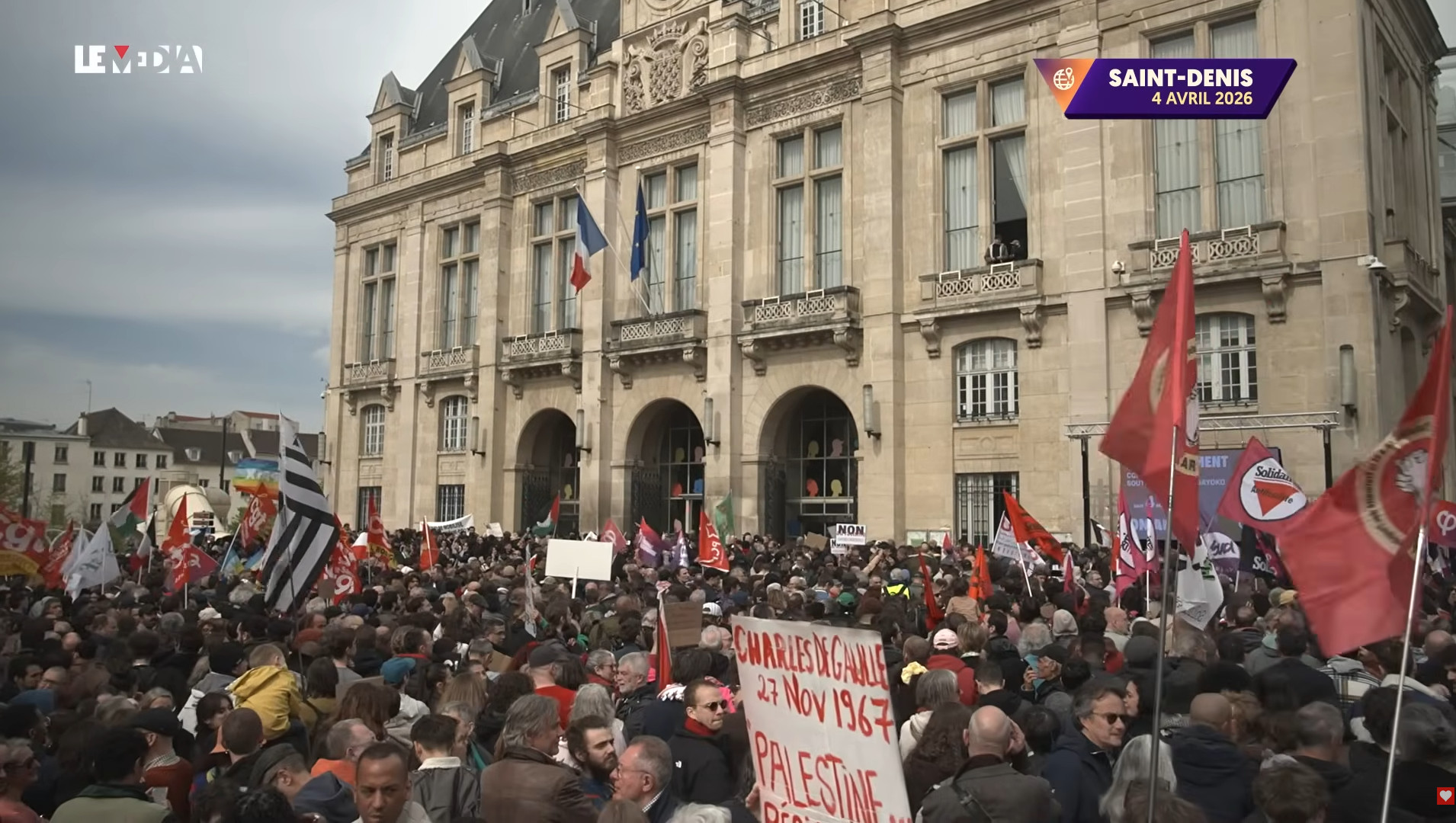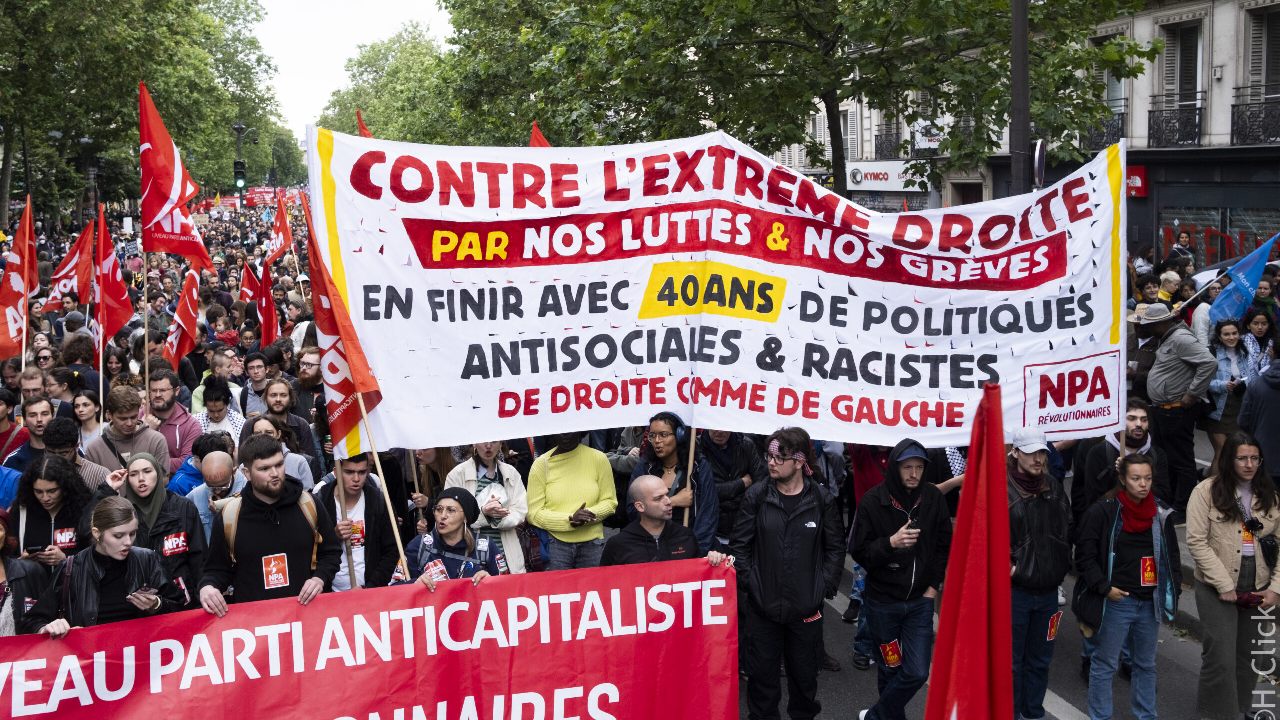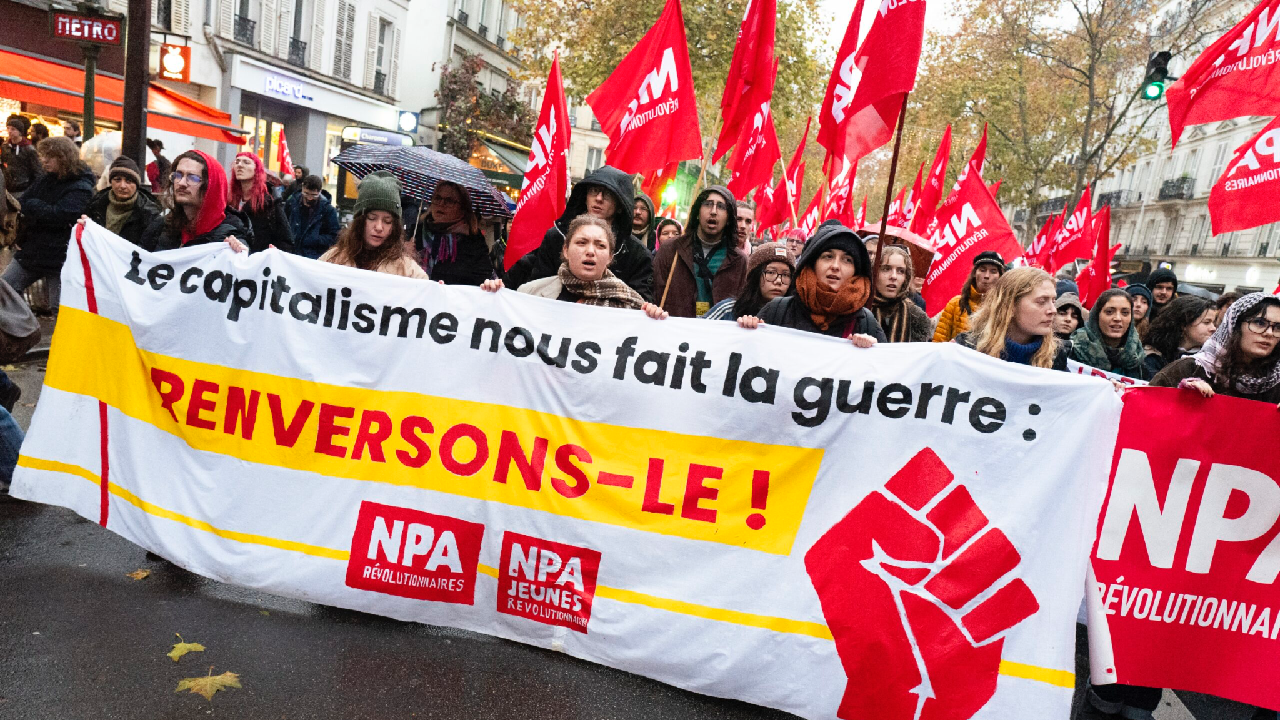

For months, starting in mid-January, there have been ongoing strikes and mobilizations in France. There have been multiple strike days and demonstrations, called by the unions in both the public and private sectors. Millions of people, across France — in big cities, small towns and villages — have participated in these actions.
Workers have blocked ports, refineries, energy companies, railroad tracks and highways. Students have occupied high schools, universities and government offices. Sanitation workers have been on strike and thousands of tons of garbage fill the sidewalks of Paris. People are angry and making their voices heard, at work and in the streets.
This comes in response to a series of attacks by the French government and the 1% they represent. Macron, the French President, introduced a law changing the pension system, raising the required working age from 62 years to 64, and increasing the number of years required to work to get a full pension from 42 to 43.
If the law takes affect it will eliminate many from getting full pensions. It will unfairly impact women, who often have to take years off of work to take care of families. It will expand the number of years that people who have hard manual labor jobs have to work. It will sentence many workers to a life of never-ending work until they die. It would mean that it will be more difficult for younger workers to get jobs and harder for them to ever retire and get a pension.
The situation confronting French workers is similar to that faced by workers in the U.S., and many other parts of the world. After the impact of Covid, with its loss of life and misery that people confronted both at work and at home, the government launched this assault. This attack also comes at a time of high inflation, the highest rate since 1985 — over 6% overall, and much higher for food. And while this inflation is cutting into the workers’ standard of living, the bosses are boasting about record high profits.
And to add insult to injury, on March 16, President Macron used a provision in the constitution that allowed him to impose a law without a vote in the legislature. Afterwards, he went on TV and arrogantly dismissed the wishes of the overwhelming majority of the population who are opposed to this law — throwing gas on the fire. There has been some burning of trash and breaking windows and other property destruction by some demonstrators. The government has responded by attacking the protests and strikes with brutal police force and locking up many protestors. But polls show that the overwhelming majority of French people blame the government for any violence, not the demonstrators.
This movement, led in the beginning by the union leaders, with marches and strikes, spread out over weeks and months, has now reached a new level. Local union officials, rank and file workers, students and revolutionary activists are taking the initiative, organizing actions, strikes, and making their plans and decisions themselves. Some workers are voting day by day to continue their strikes. Some workers are forming committees that bring workers from different industries together, as well as general assemblies in their workplaces, which can include workers from other workplaces, as well as students and teachers.
While there has been talk of a general strike across all workplaces, it has yet to be proposed concretely and organized. But it is the necessary next step in building and strengthening the movement.
We can’t predict the future — but we can have hope. The working class, allied with the youth, the elderly, and all those who suffer today in this brutal profit-driven society, have the potential power to impose their will on French society. Workers produce the goods and run the transportation and other services and they can also bring society to a halt.
What the 1% and their politicians have tried to impose in parliament can be undone in the streets. The struggle today can turn the tide from attacks to victories. It can open new possibilities for the working class to win what it wants and needs — including forcing Macron to discard this horrific pension plan.