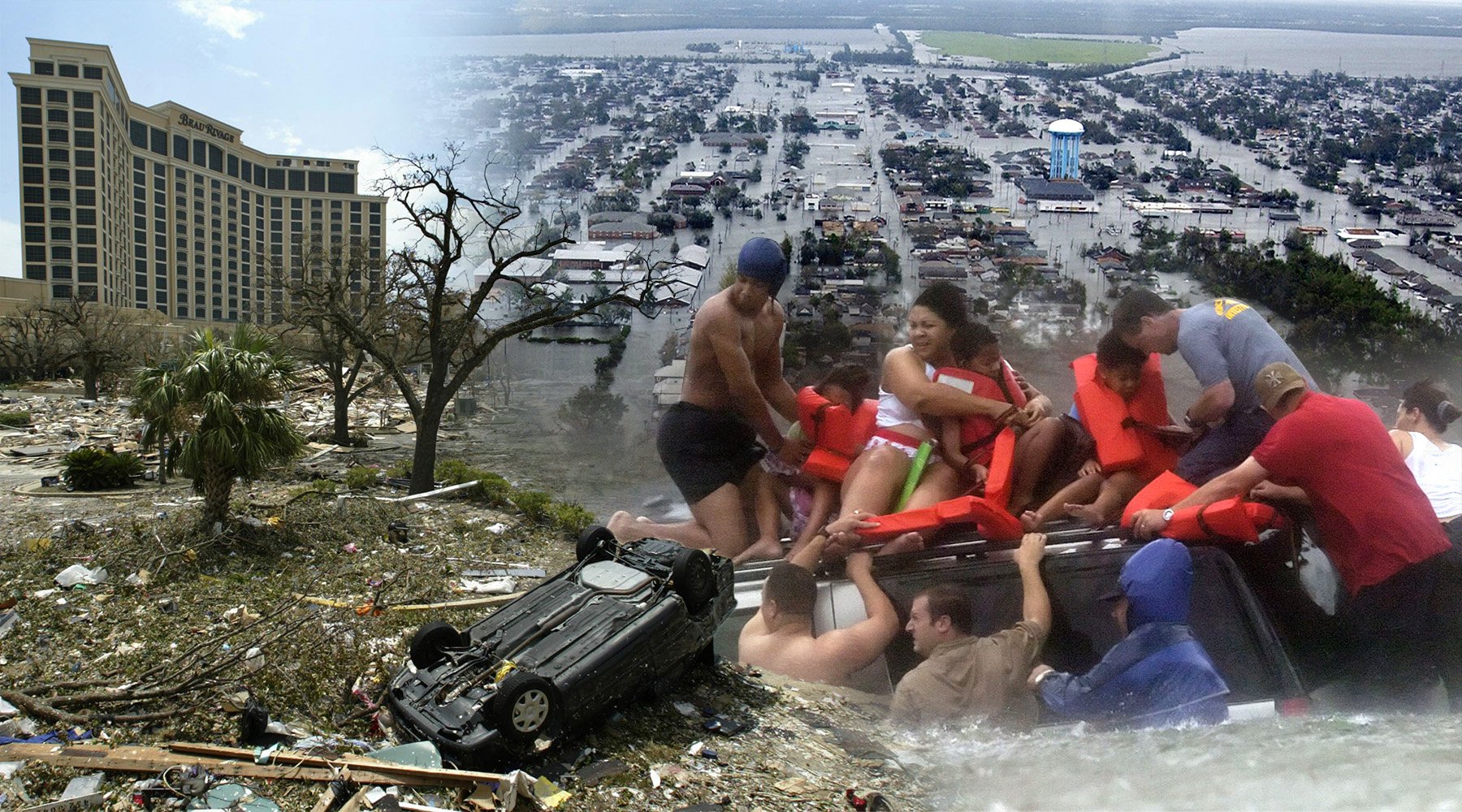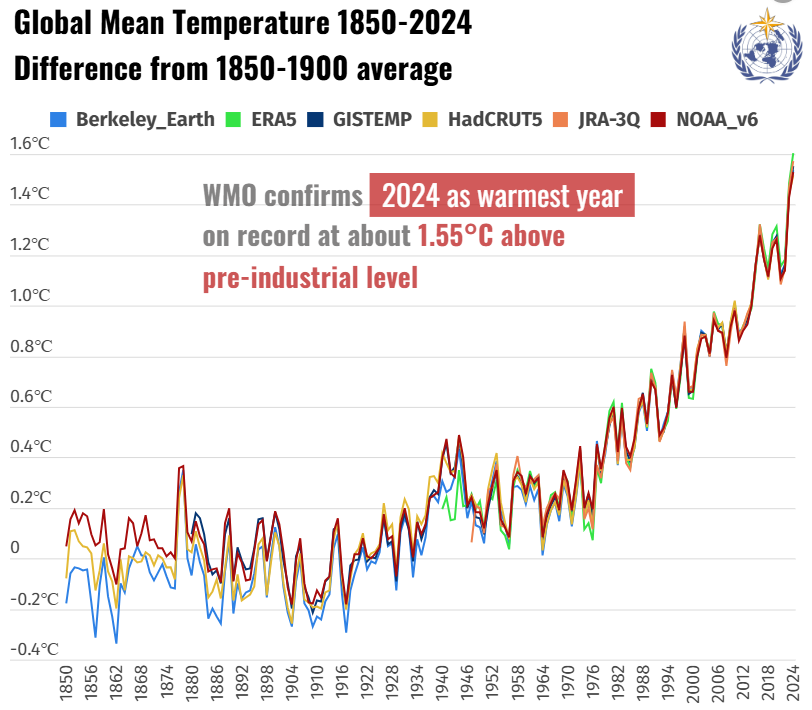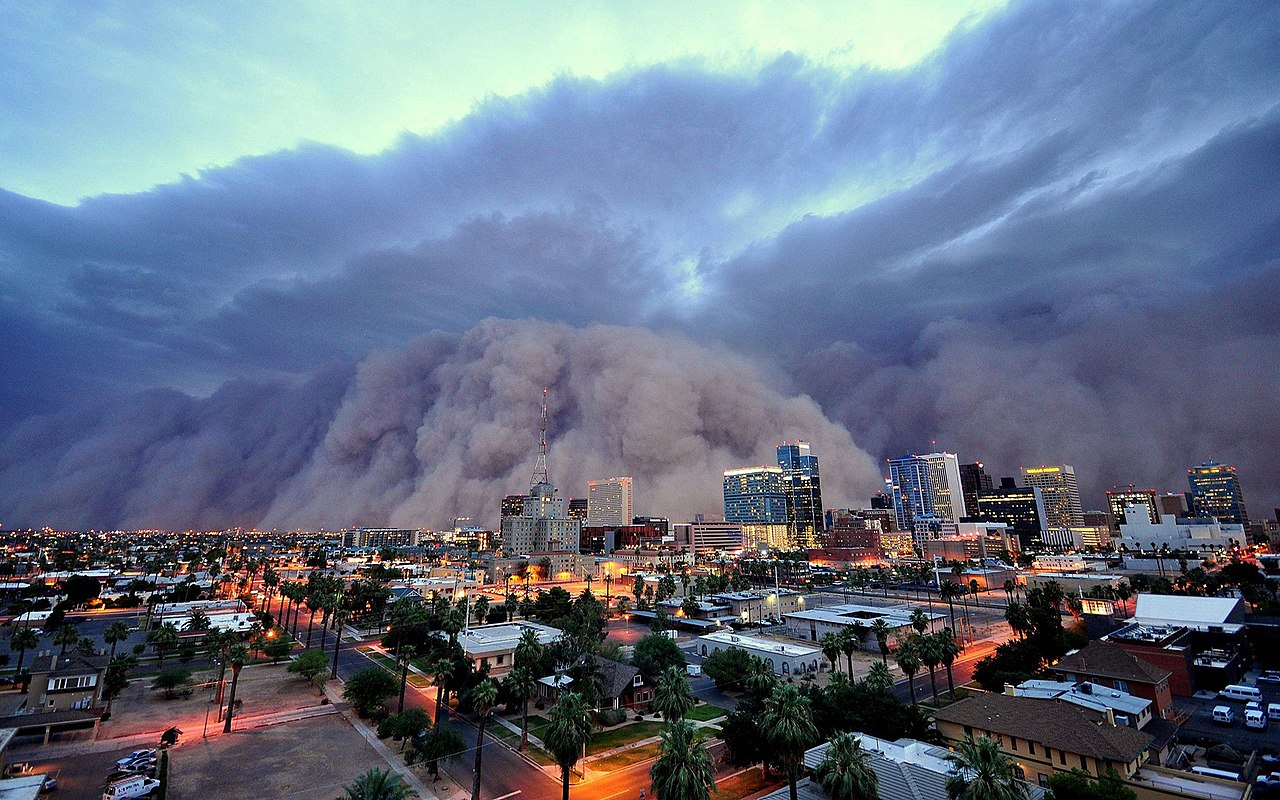
After the hottest summer on record this year, we are learning more about what we will have to face in a global-heating future. At the forefront of the news are the disasters – hurricanes, wildfires, floods, etc. – that are becoming more extreme and frequent year after year. But not so many people talk about the everyday activities that are being affected by climate change. As our world gets hotter, the fact is that we will have to adjust to protect ourselves from the new normal wherever we are.
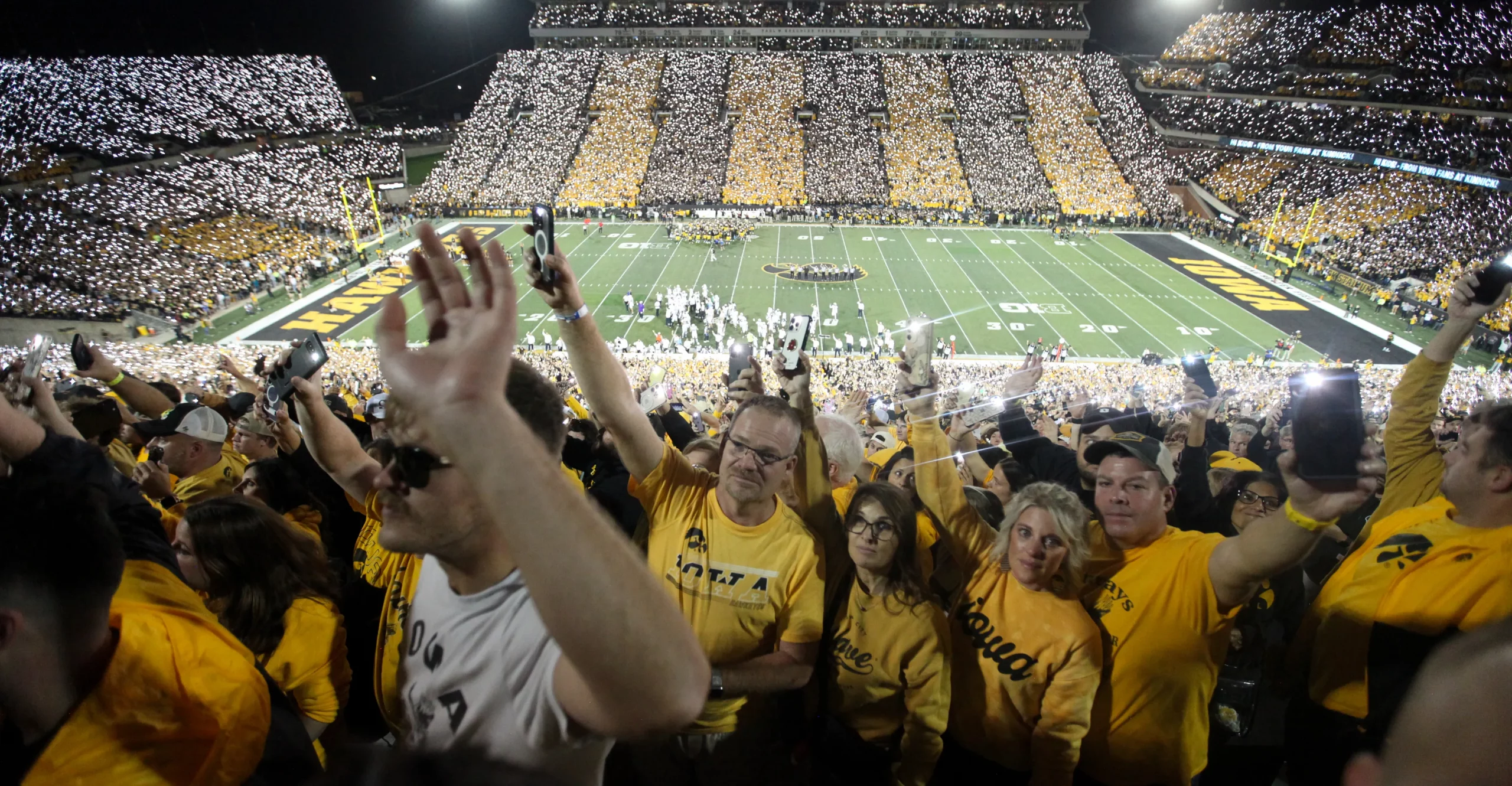
For example, something that is facing the difficulties of remaining a normal, everyday activity, in a climate-changed world is football. Football is already especially vulnerable to heat due by requiring players to wear multiple protective layers of gear, the season starting in the summer, and a “push past the pain” mentality. In addition, the artificial turf that many teams play on can make the heat even worse. Studies show that synthetic turf gets 60 degrees Fahrenheit hotter than natural grass. This means that when the temperature is over 100 degrees Fahrenheit, the temperature on the turf can be over 160 degrees Fahrenheit.
The number of young athletes who have been diagnosed with exertional heat illness has been increasing over the past decade. Between 2018 and 2022, at least 11 football players died of heat stroke. As a matter of fact, some teams in the southwestern United States were forced to schedule practices and games at night, early in the morning, or at cooler locations such as in the mountains or on the coast. In the southwest this summer, temperatures rarely dropped below 110 degrees Fahrenheit.
Ironically, certain medications used to treat depression and attention deficit hyperactivity disorder (ADHD), which are already on the rise – and, arguably in part due to increasing anxiety among the population about a climate-changed future – can make one more prone to heat-related illness.
The effect of these alterations in a football player’s life can be significant. Ruth Engel, who studies microclimates at UCLA, explains: “Imagine, if you live in a place that doesn’t have air conditioning, you don’t have sufficient shade to keep you cool on your walk to school, and then your school doesn’t have air conditioning either. By the time you have to go play football, you’ve never had a chance to cool down.”
We are all in the climate crisis together. Sometimes it’s a big event like a deadly hurricane. Sometimes it picks us off one by one, like young football players.