Across the Patapsco River from Baltimore’s Inner Harbor tourist district lie the former neighborhoods of Fairfield and Wagner’s Point. Throughout the 20th century, these tight-knit immigrant and Black communities were a target for the development of chemical and refining industries. Many decades of explosions, fires, and pollution from industries engulfing the area eventually led residents to move away. They organized and fought to get the government to compensate them for having to move. At the end of the 1990s, the government paid the residents to leave their homes, the row houses were demolished, and the land was bought up by chemical companies.
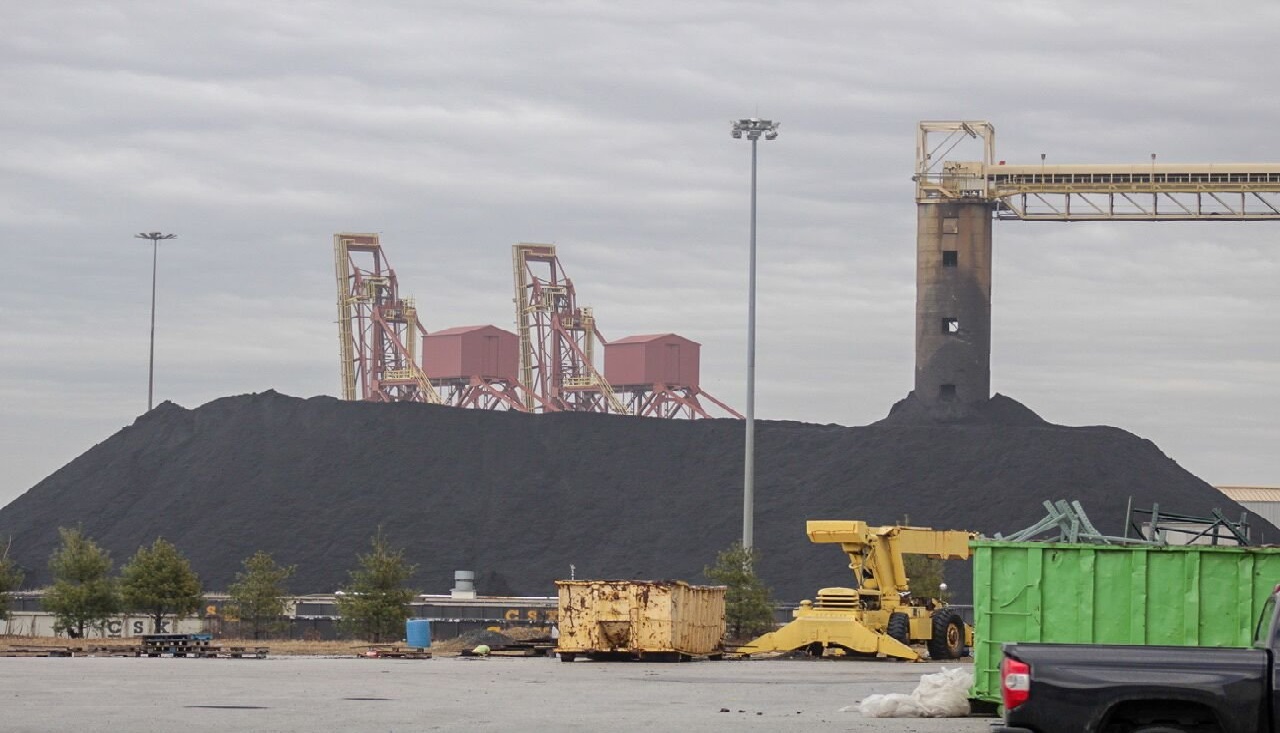
The mostly low-income residents of adjacent Curtis Bay are fighting today to make sure they do not suffer the same fate. The one-square-mile district of about 4,000 people is the site of industrial facilities, including the largest medical device incinerator and the second largest coal port in the United States. It has a long and tragic history of deliberate concentration of dangerous, toxic industries, and throughout the decades has been victim to fatal accidents at a military weapon storage facility, numerous toxic oil and chemical spills, and ongoing contamination of the air, soil, and water.
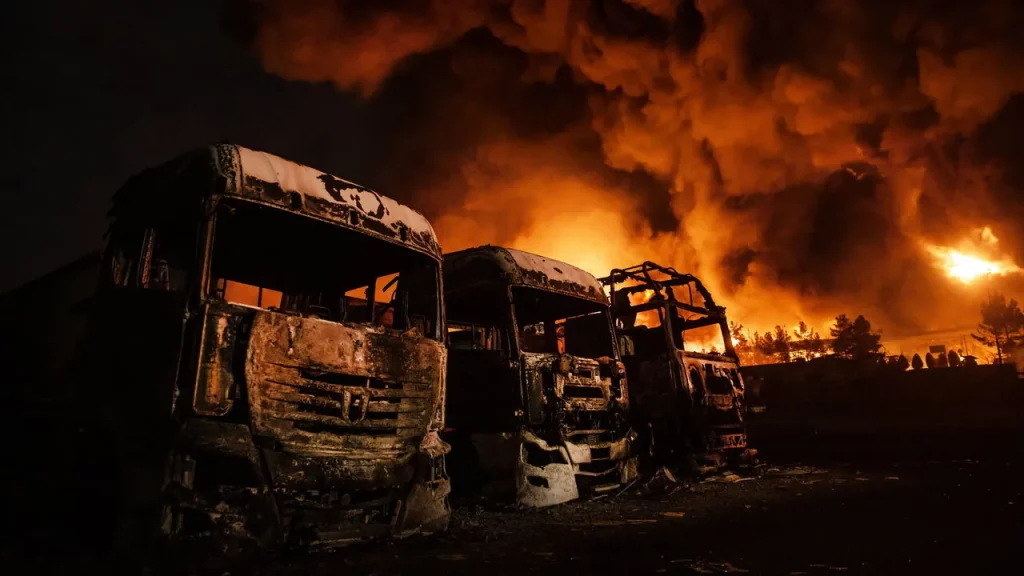
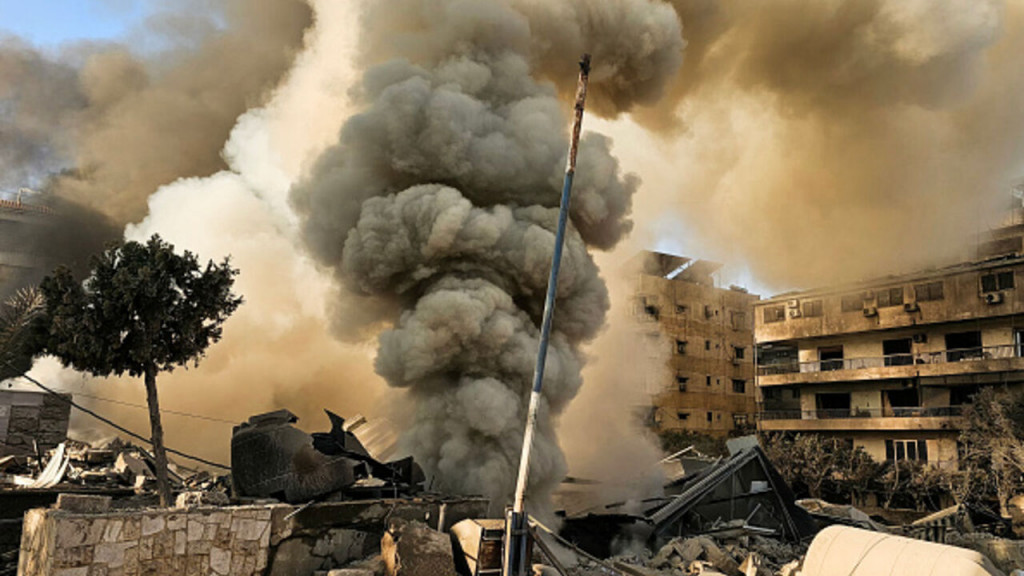
For the companies in Curtis Bay, regular fines from the government for violating pollution limits are just an expected cost of business – not a deterrent to destroying the local community and the planet. Residents and workers attribute their elevated rates of asthma, lung cancer, and ulcers to this intentional poisoning of their community. Most recently, the neighborhood was impacted by a massive explosion in 2021 at the CSX coal pier, which broke windows and blanketed the streets with coal dust up to 12 blocks away.
Residents recently learned that Baltimore City officials are planning to relocate the Curtis Bay recreation center several blocks away, to the very edge of the neighborhood. Locals suspect that this is the first step to depopulate the community for the sake of industry, just like in Fairfield and Wagner’s Point.
Curtis Bay is just one example of countless so-called “sacrifice zones” across the world, regions of concentrated pollution that cause widespread chronic diseases and cancer. The term originally described the areas that suffered forced relocations or radiation poisoning during the nuclear weapons tests of the Cold War. These included the homes of isolated indigenous people on Pacific islands and pastoral communities in Central Asia, many of whom were not even informed of the risks and still suffer serious health effects generations later. Most sacrifice zones today are inhabited by the poorest and most marginalized people, such as: the infamous oil-refining region along the Mississippi River in Louisiana known as Cancer Alley; the mining district of Kawbe, Zambia, where 95% of children suffer lead poisoning; and Puchuncaví, Chile, a town so polluted by industry that it was declared to be a human rights violation by Chile’s Supreme Court.
In Baltimore’s sacrifice zone of Curtis Bay, residents have been fighting back. In 2016, a group of local high school students successfully organized against the construction of a new incinerator in the neighborhood. And in recent months, the community has been fighting in the courts and in the streets in response to the 2021 explosion and the government’s insufficient response.
The rampant poisoning of the most oppressed and most vulnerable is not an accident. Governments and corporations choose these areas all over the world to sacrifice and neglect because they think the local residents do not have the political and economic power to fight them.
They’re wrong! When we organize together, communities and workers can be the most powerful forces in the world. We can kick out the corporate polluters and their political lackeys. They are responsible not only for local environmental crises in places like Curtis Bay, but also for global heating that threatens life itself on the whole planet. The fight can begin in communities like Curtis Bay. And it can be part of the struggle to create places to live and work that are healthy and safe for everyone in the world.