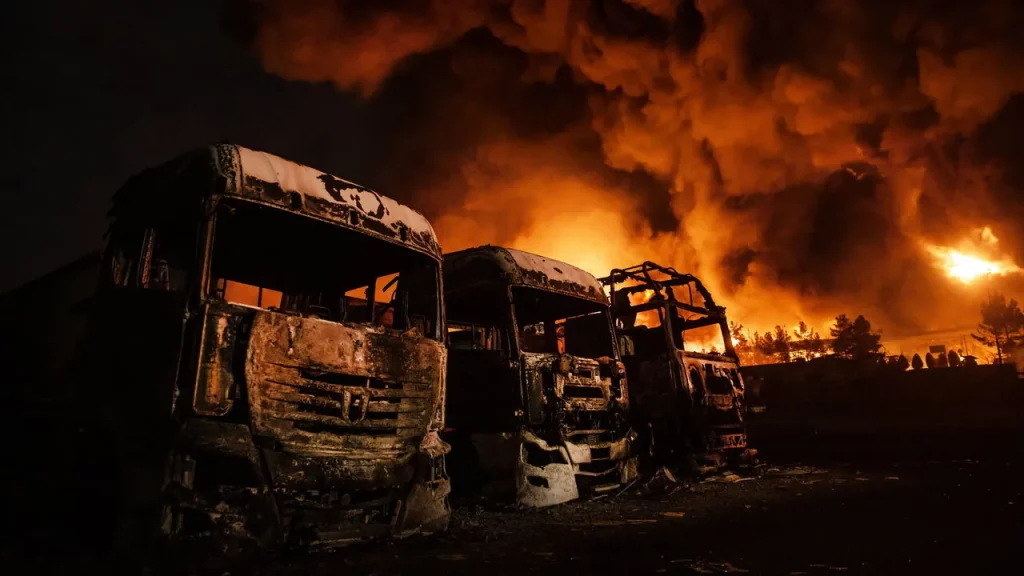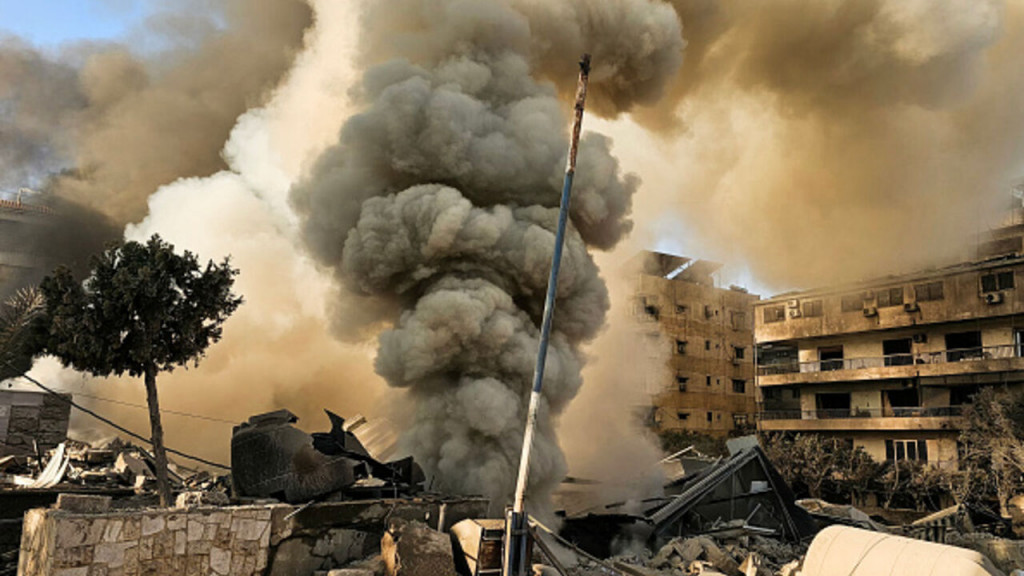

Rain in the 2019-2020 season has been well below average in California, and the outlook for the rest of 2020 is for it to be drier than average, according to the National Interagency Fire Center. This would suggest that we’re headed for yet another dangerous fire season this coming summer and fall. Indeed, climate scientists expect that global warming will lead to more frequent, and more devastating wildfires, just as it will lead to more frequent, and more devastating hurricanes.
If we can expect more and worse wildfires and hurricanes, what can we expect in terms of how our society will deal with the fallout? Well, we can make a guess based on what we’ve seen so far.
When Hurricanes Maria and Irma hit Puerto Rico in 2017, we saw the same pattern of neglect and exploitation that we saw with Hurricane Katrina in New Orleans 15 years ago. Virtually the entire island lost power and thousands of homes were destroyed. It took a whole year before the local authorities could claim that power had been restored, and even then, many in fact still lacked power. Today, after a series of earthquakes hit the island, two-thirds of Puerto Rico’s population is without power and a quarter of the population has no running water.
And in the San Francisco Bay Area? Here too we find people struggling with the fallout from hurricanes and wildfires. The New York Times recently had a feature on homeless encampments in East Bay. The High Street Camp in East Oakland (one of the largest shantytowns in the country) is home to refugees from California wildfires as well as at least one refugee from Texas’s Hurricane Harvey. A UN representative who visits slums across the Third World compared the High Street Camp to the slums of Delhi, India, pointing out the lack of toilets or running water of any kind. People living in these camps are living in worse conditions than some of the most famous shantytowns on the outskirts of Mexico City.
There are over a hundred such encampments in Oakland alone. In California there are over 150,000 homeless people, more than a quarter of the entire country’s homeless population of half a million. How do our local and state governments respond to this crisis? Well, certainly, millions of public funds change hands in various government initiatives to “deal with” the problem. But somehow none of that money seems to find its way into solutions. Housing prices continue to skyrocket as financiers from Wall Street to Shanghai to speculate in California’s housing or park their money in empty luxury high-rises across LA and the Bay Area.
The fact is, there is no shortage of living space. There are more than a million vacant houses and apartments in California, in other words, more than six empty homes for every homeless person. If this is how capitalism deals with homelessness when there’s an abundance of housing, what can we expect when there’s a shortage?