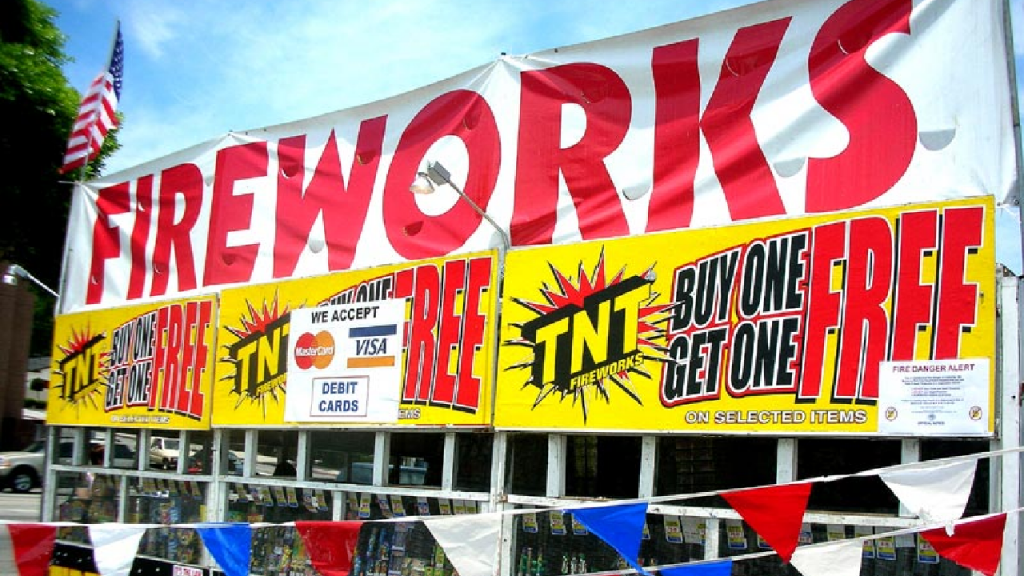
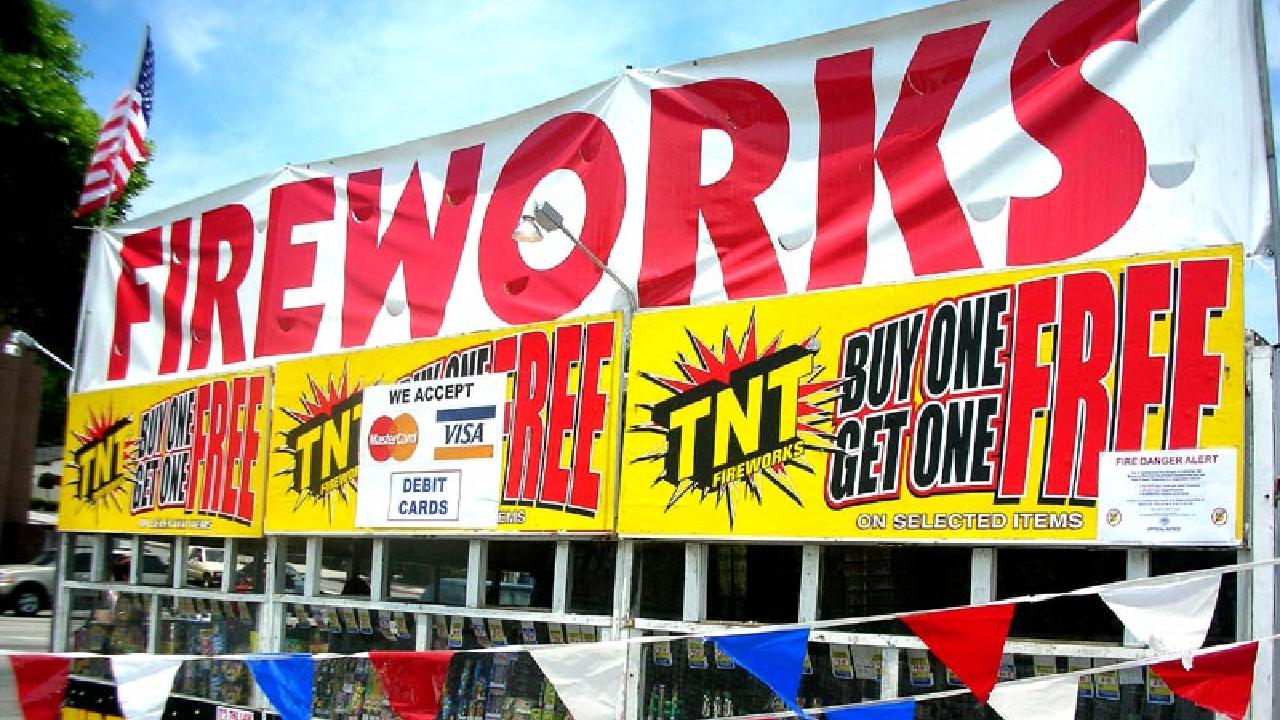
Many people use July 4th, and sometimes other holidays like Memorial Day and New Year’s Eve, whether they feel patriotic or not, to blow off steam and have a good time, using fireworks. There are big displays organized by government or civic organizations. Certainly, many of us find bright colors against a night sky and even loud noises entertaining and even fascinating.
But many people set off their own fireworks, legal or not, in their yards or vacant lots or wherever. In 2025, there were 15 deaths and about 13,000 injuries in the U.S. due to fireworks, about two-thirds of them around July 4th.
There are other problems with amateur fireworks. They usually explode in the middle of neighborhoods at night when some people are sleeping. What if neighbors are military veterans with post-traumatic stress disorder (PTSD) who get triggered by firework blasts? What if there are children and pets who are terrified, not to mention squirrels, birds, and other wildlife?
Many people appear not to care about such side effects. Their urge to use fireworks in their neighborhoods may indeed be a way to “blow off steam” because they can’t afford the cost of living—from gasoline to groceries to health insurance to rent or mortgage—or other pressures that oppress them.
A major underlying problem is that so many of us live in neighborhoods where we aren’t encouraged to care for each other. We are so used to thinking about each other as bosses or employees, as customers or salespeople, as competitors for limited jobs and other resources in such a wealthy country. We of the so-called 99 percent, which in the vast majority of cases means working-class people, have much more in common than we have dividing us.
But neighbors who set off loud fireworks and then become belligerent when asked not to do that seem to be going against community. They may believe they are standing one hundred percent for the individual liberty philosophy that they imagine this country was founded upon—every man for himself and forget everyone else. Well, it was indeed about men, not women, and only men of European families of a certain standing. That is not the kind of community we need.
How can we use any holiday, including a huge patriotic one like the 250th anniversary of the U.S.A., to unite instead of dividing our communities? We need to start by talking and listening to each other and focus more on what we have in common than on the things that the One Percent use to divide us—like race, immigration status, gender, sexuality, age, and so on. Then we can plan celebrations of community to include everyone.