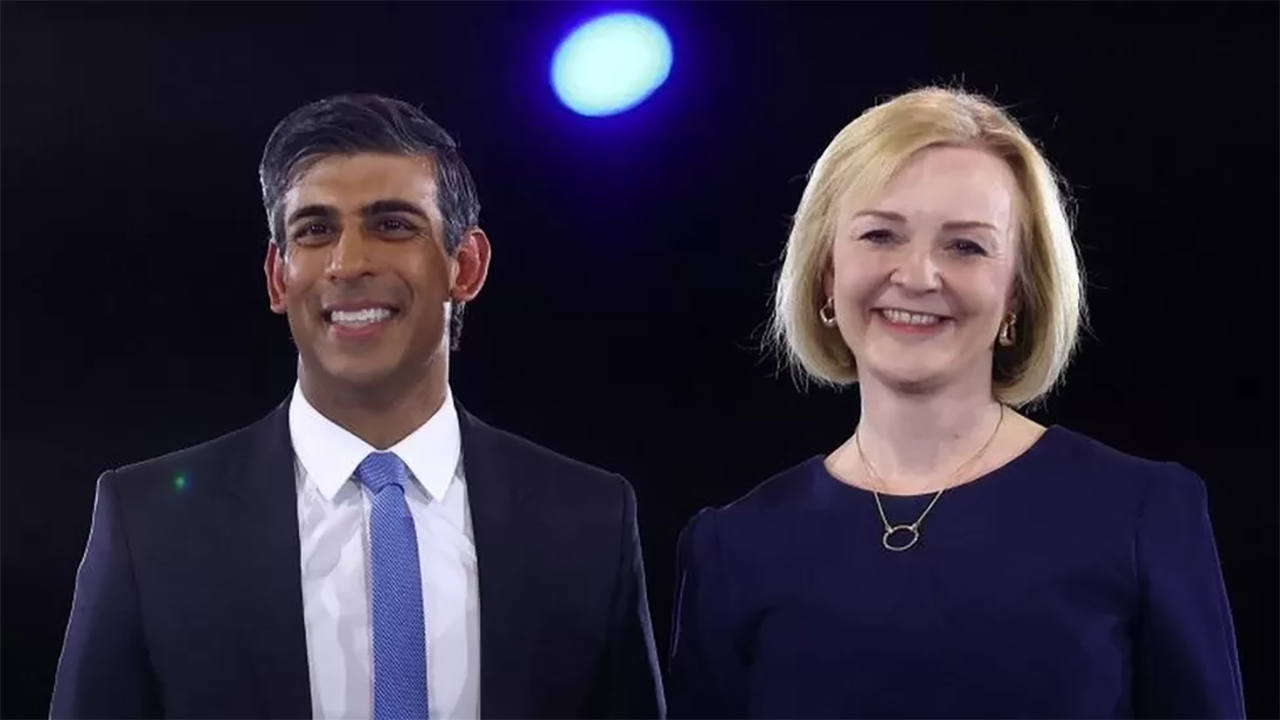
In late October, the former Prime Minister of the United Kingdom (U.K.), Liz Truss, resigned after only 46 days in office.
Truss was forced to resign as the United Kingdom deals with a profound economic crisis, with inflation at a 40-year high in the country and the Bank of England now forecasting a recession well into 2024.
Despite the immense suffering of working people during the pandemic and rising inequality, Truss’s administration attempted to pass unprecedented new tax cuts for the wealthy. Immediately after these policies were announced, a crisis flared in financial markets that caused the value of the British pound sterling to crash while also leading to a financial domino effect which almost caused the British pension system to collapse.
Financial markets reacted in this way as Truss’s policies were in conflict with the perspectives held by the leaders of the Bank of England (the central bank in England similar to the Federal Reserve in the United States) and other financial elites in the U.K., who believed the tax cuts were unsustainable and irresponsible.
Similar to the leadership of the Federal Reserve here in the U.S., they believe interest rates must rise substantially in order to reduce inflation. They think that even though they would benefit from tax cuts on the ultra-wealthy, these policies may be too extreme politically for the moment and could further destabilize the economic situation.
Truss was never able to recover from this debacle and was quickly forced to resign. She has now been replaced by Rishi Sunak, a former hedge fund partner who is the wealthiest Prime Minister in the history of the U.K. (the combined worth of Sunak and his wife is about $844 million).
Since taking office, Sunak and his administration have been clear about their policies, stating that taxes on ordinary people and massive cuts to social services will need to take place to help stabilize the economic situation.
This situation shows that regardless of who is in power, working people in the U.K. will have to pay for this crisis in the form of greater interest rates, a cost-of-living crisis, and new austerity policies.
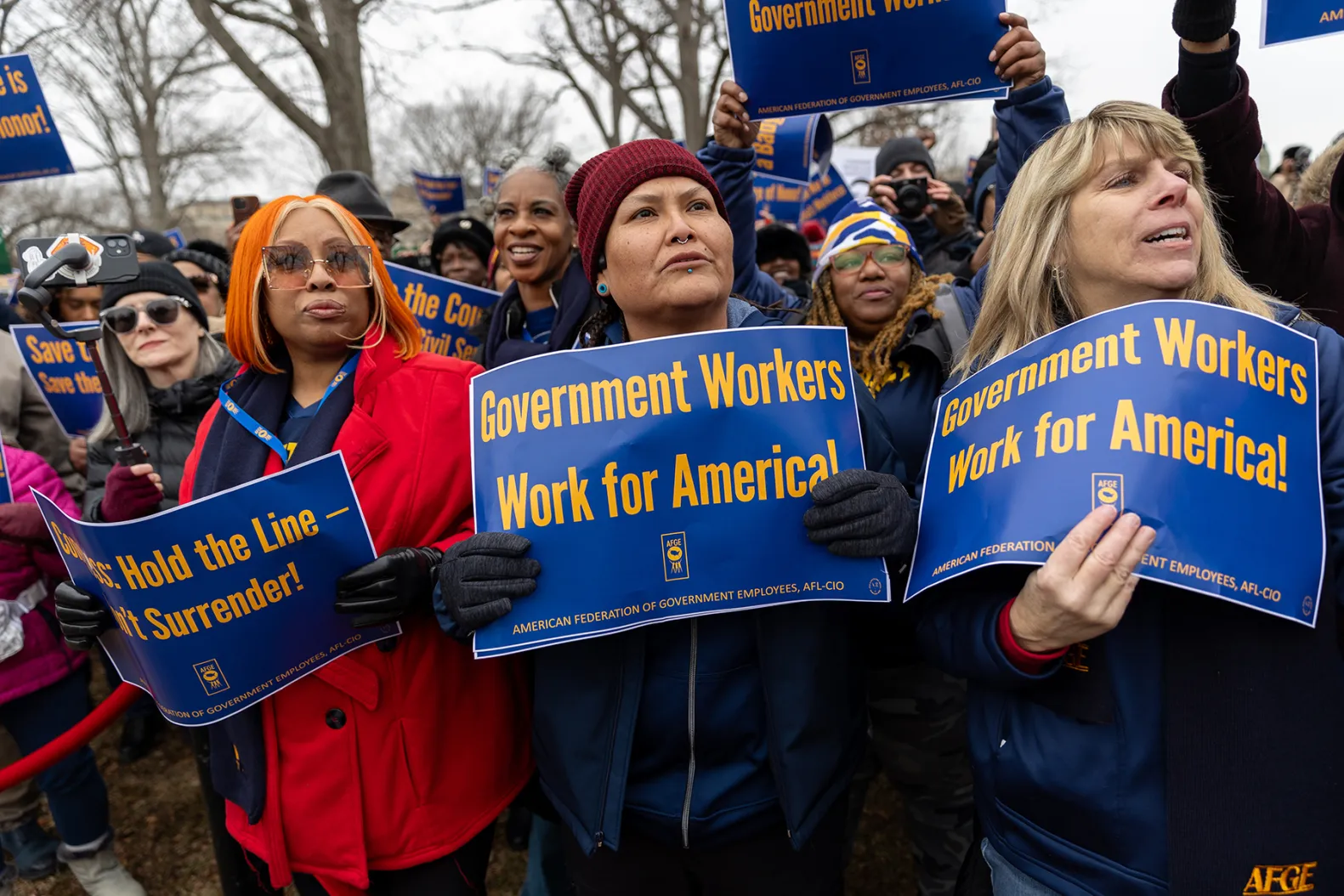
What is not clear in this situation is how the long the British people will continue to put up with this? We have seen the beginnings of a response from the working class, with a series of strikes taking place in the U.K. in sectors such as rail and the longshore industry.
Will more workers be emboldened to fight as their backs are pushed against a wall? It is not clear how this situation will develop. But it will be activity like this where workers use their power to resist attacks by the bosses and politicians that will change their situation.